
 Call us :
  Mail us to:


 English
 中文简体
中文简体


What a Full-Service Clean Room Construction Company Actually Delivers
Commissioning a cleanroom is not a single procurement event — it is a multi-phase engineering process that begins well before the first panel goes up and continues long after personnel begin operating inside the space. A full-service clean room construction company covers the entire lifecycle: feasibility and design, manufacturing of purpose-built components, on-site construction and installation, system commissioning, and structured after-sales service. Understanding what each phase entails helps facility managers set realistic expectations, allocate budget accurately, and avoid the common pitfall of engaging separate vendors for design and build — a fragmentation that frequently leads to accountability gaps when performance issues arise post-occupancy.
The design phase is where the most consequential decisions are made. Airflow pattern (unidirectional versus turbulent), pressurization cascades between zones, HVAC sizing, and structural load paths are all defined here. Errors or omissions at this stage are expensive to correct once construction is underway. A company that handles both design and manufacturing has a practical incentive to get the design right the first time, because any mismatch between specified and produced components comes at their own cost. This alignment of incentives is one of the strongest arguments for working with a vertically integrated provider.
Commissioning — the phase most often underestimated by clients — is where the installed system is verified against design intent. It includes airflow volume and pattern testing, HEPA/ULPA filter leak testing (DOP/PAO challenge), particle count verification to confirm ISO or GMP classification, differential pressure stability checks, and temperature and humidity uniformity mapping. A clean room construction company that performs its own commissioning rather than subcontracting it retains direct accountability for the test results, which matters significantly if the facility needs to present documentation to a regulatory authority such as the FDA, EMA, or a national drug administration.
How to Evaluate Clean Room Suppliers Beyond the Price Sheet
Price is a necessary input in any vendor selection process, but evaluating clean room suppliers on cost alone consistently produces facilities that underperform or require expensive remediation within the first two years of operation. A structured evaluation framework covers four dimensions that the price sheet cannot capture:
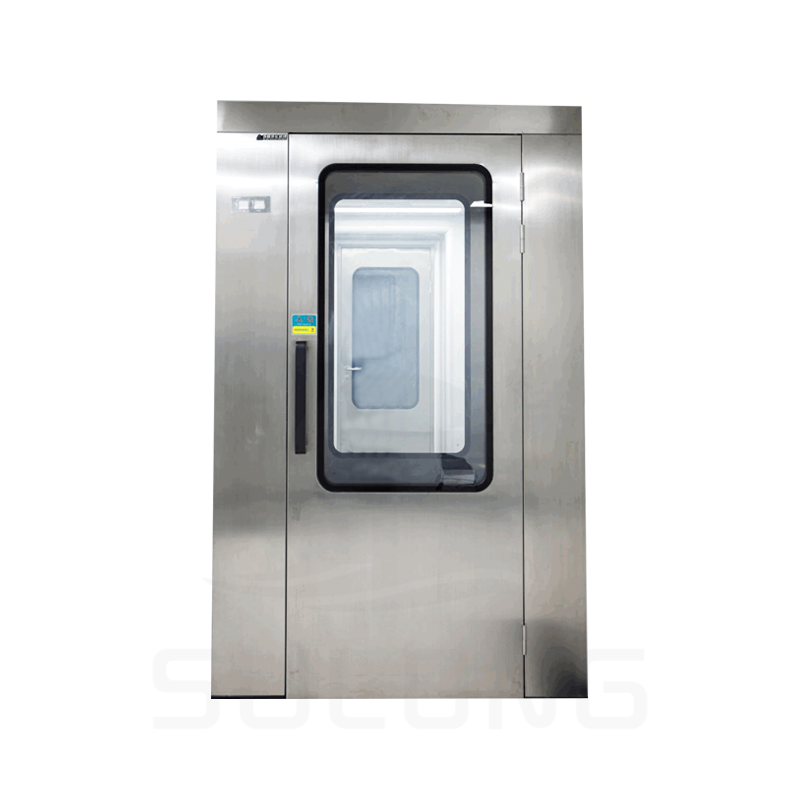
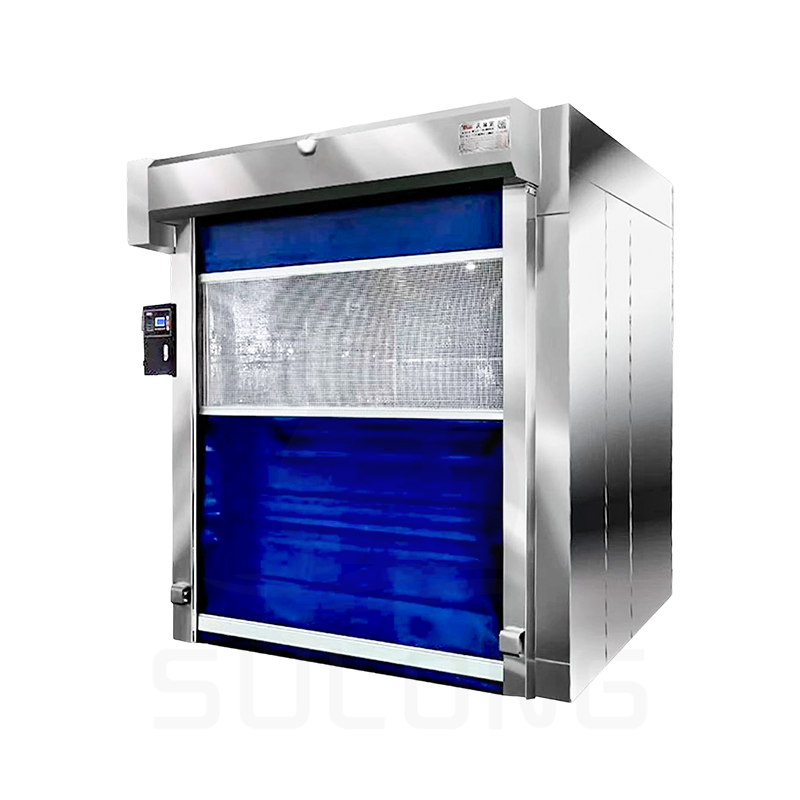
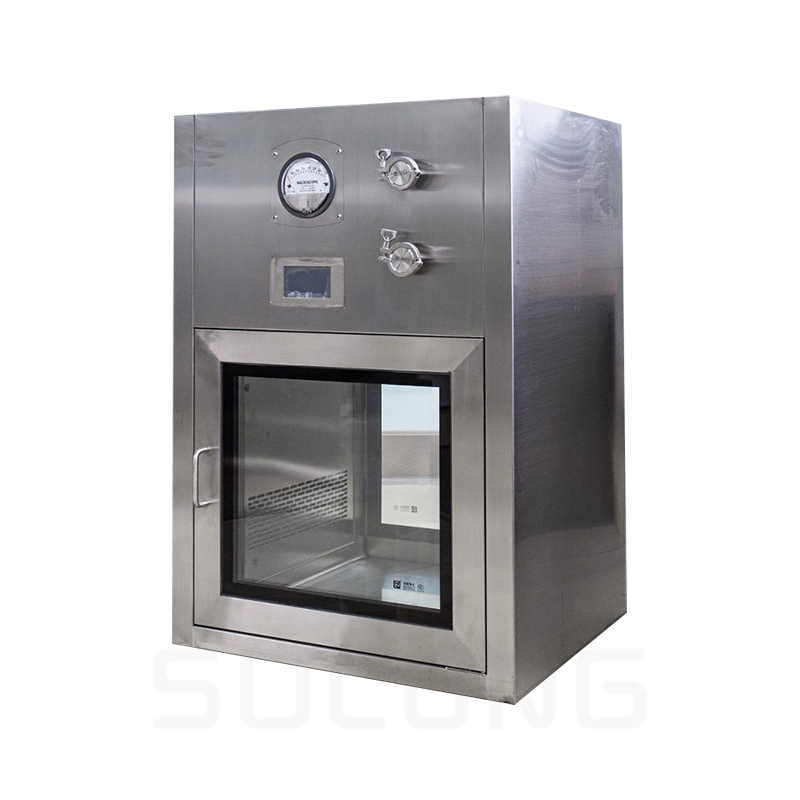
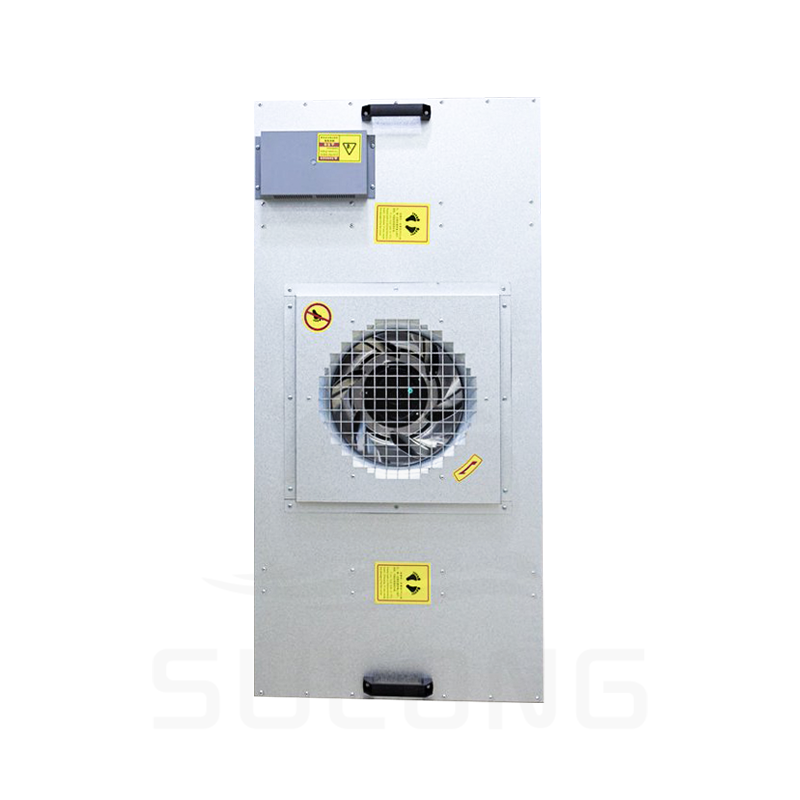
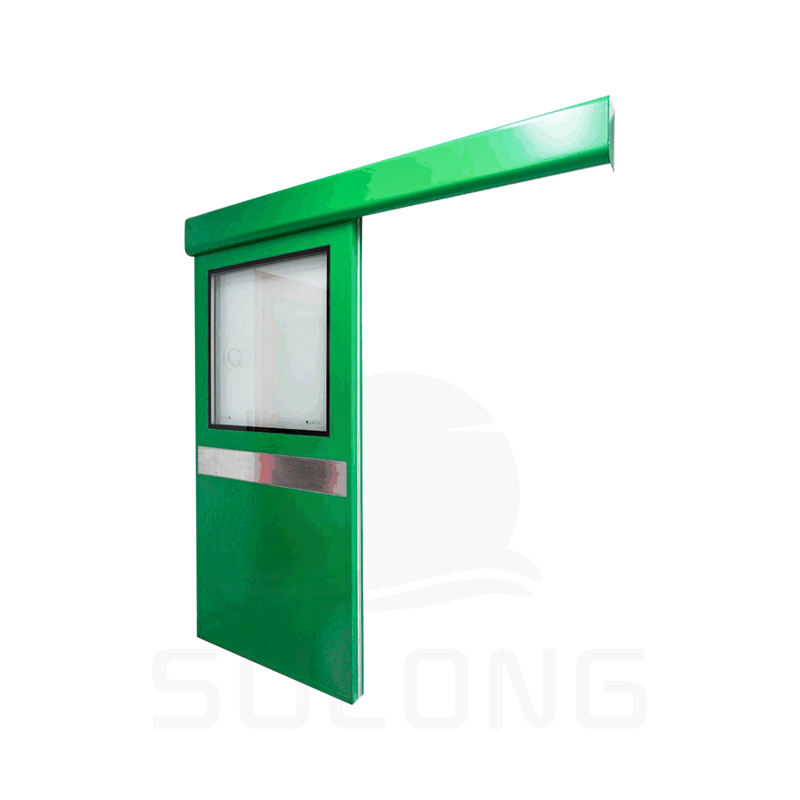
- Scope of in-house capability — suppliers who design, manufacture, and install their own purification equipment and air conditioning terminal products carry fewer handoff risks than those who source components from multiple third parties and coordinate them on site. Ask specifically whether the fan filter units, air showers, pass boxes, and HVAC terminals are manufactured in-house or procured and rebranded.
- Technical consulting depth — a supplier with genuine technical consulting capability will identify application-specific constraints proactively: electrostatic discharge risks in semiconductor cleanrooms, cross-contamination pathways in multi-product pharmaceutical facilities, or vibration isolation requirements adjacent to heavy equipment. A supplier without this depth will provide a standard layout that may meet the ISO particle count specification in isolation testing but fail in daily operational conditions.
- After-sales service structure — request specifics: What is the guaranteed response time for critical system faults? Is filter replacement and periodic requalification testing included in a service contract, or priced separately each time? Does the supplier maintain a spare parts inventory for the specific equipment installed in your facility?
- Regulatory documentation capability — for pharmaceutical, medical device, or food processing applications, the supplier must be capable of producing Installation Qualification (IQ), Operational Qualification (OQ), and Performance Qualification (PQ) documentation. Not all clean room suppliers have experience with validation protocols, and discovering this gap after construction is complete creates significant schedule risk.
Reference site visits are the most reliable evaluation tool. A supplier confident in their work will facilitate visits to completed projects in comparable industries. Pay attention not just to the physical condition of the installed facility, but to how the client describes the supplier's responsiveness during construction and after handover — the after-sales relationship often reveals more about a supplier's character than the sales process does.
Air Purification Project Phases and Their Hidden Complexity
Air purification projects are commonly visualized as linear — design, build, test, hand over. In practice, they involve parallel workstreams with interdependencies that require active coordination throughout. The HVAC rough-in must align precisely with the cleanroom partition layout; the partition layout is constrained by structural penetrations and ceiling load limits; and the electrical distribution for purification equipment must be coordinated with both the HVAC controls and the building management system. When any one of these workstreams slips, it creates cascading delays in the others.
Design Freeze and Change Management
One of the most disruptive events in a cleanroom construction project is a design change after manufacturing has begun. Panel dimensions, door rough openings, and utility penetration locations are fixed once production starts. A change to the room layout at that point typically means scrapped materials, reordered components, and a revised installation sequence — all of which compress the overall schedule. Establishing a formal design freeze date, after which changes require a documented change order with explicit cost and schedule impact, is a practice that experienced clean room construction companies build into their project governance from the outset.
Sequencing Installation with Building Works
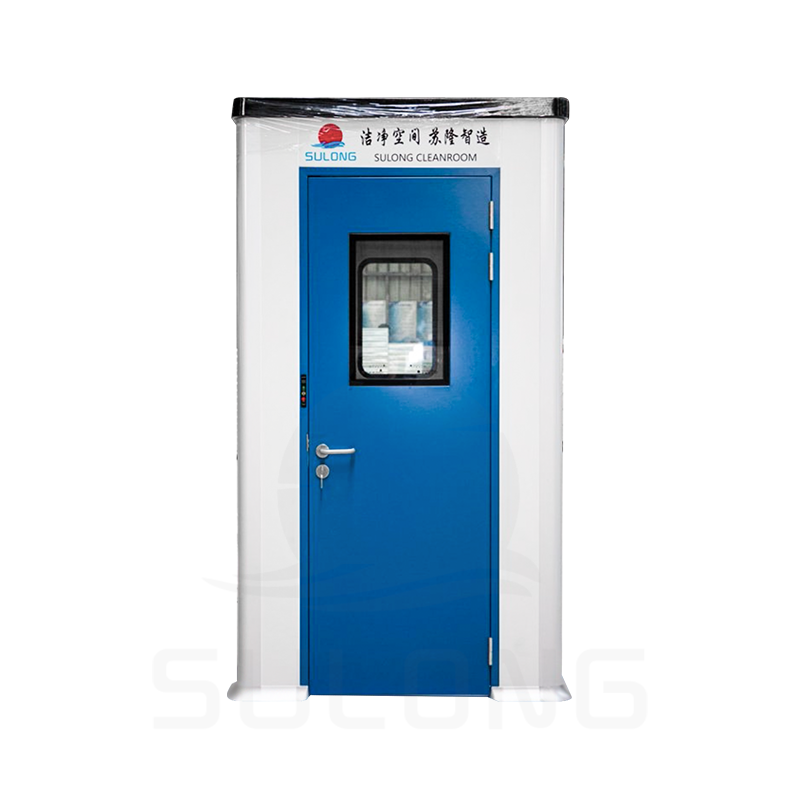
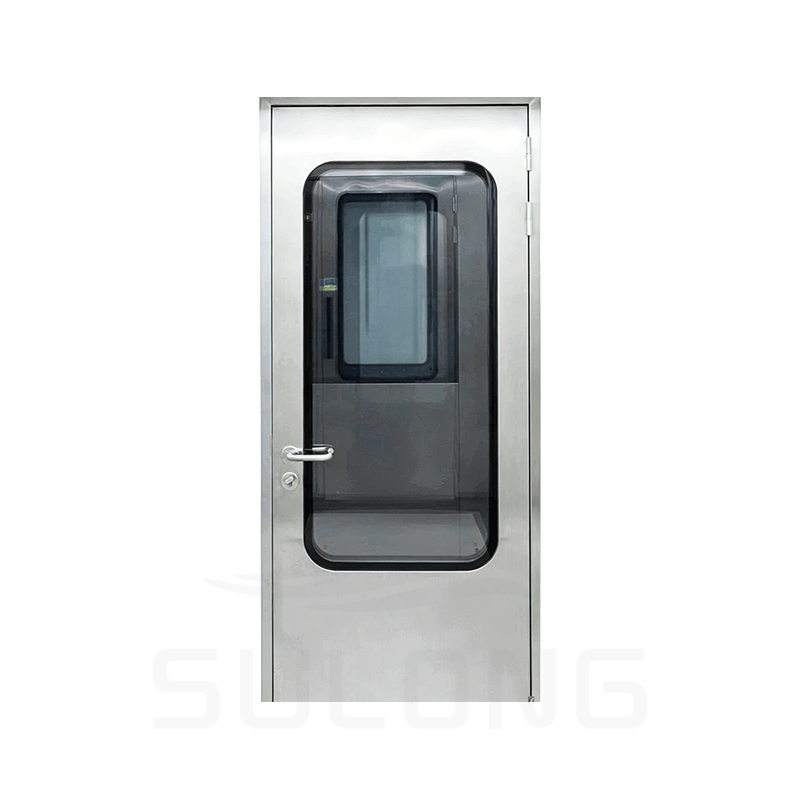
Cleanroom partitions and ceilings should ideally be installed after wet trades (concrete, plastering, painting of surrounding areas) are complete and before floor finishes are applied inside the cleanroom. This sequencing protects the cleanroom panels from construction dust and moisture while allowing the floor finish — typically epoxy or vinyl with integral cove details — to be installed continuously under the partition base track, which is the most effective way to achieve a sealed, cleanable perimeter joint. Suppliers who have not built cleanrooms within active construction sites will often underestimate how much coordination this sequencing requires with the main contractor.
Purification Equipment and Air Conditioning Terminal Products: Specifying for Long-Term Performance
The purification equipment and air conditioning terminal products installed in a cleanroom determine its operating cost and maintenance burden for the life of the facility — often 15 to 20 years. Decisions made at specification stage about motor types, filter media, and control architectures have compounding effects that are rarely apparent until the facility has been running for two or three years.
| Component | Key Specification Factor | Long-Term Impact |
|---|---|---|
| Fan Filter Units (FFU) | EC motor vs. AC motor | EC motors consume 30–50% less energy and allow individual speed control via BMS |
| HEPA Filters | Filter efficiency class (H13 vs. H14) and media type | H14 adds pressure drop; oversizing the fan compensates but raises energy costs if not managed |
| Air Handling Units (AHU) | Coil material and drain pan design | Stainless steel drain pans prevent microbial growth that can compromise cleanroom bio-burden |
| Air Shower Units | Nozzle count, velocity, and interlock logic | Insufficient nozzle velocity (<20 m/s) reduces particle removal efficiency below useful levels |
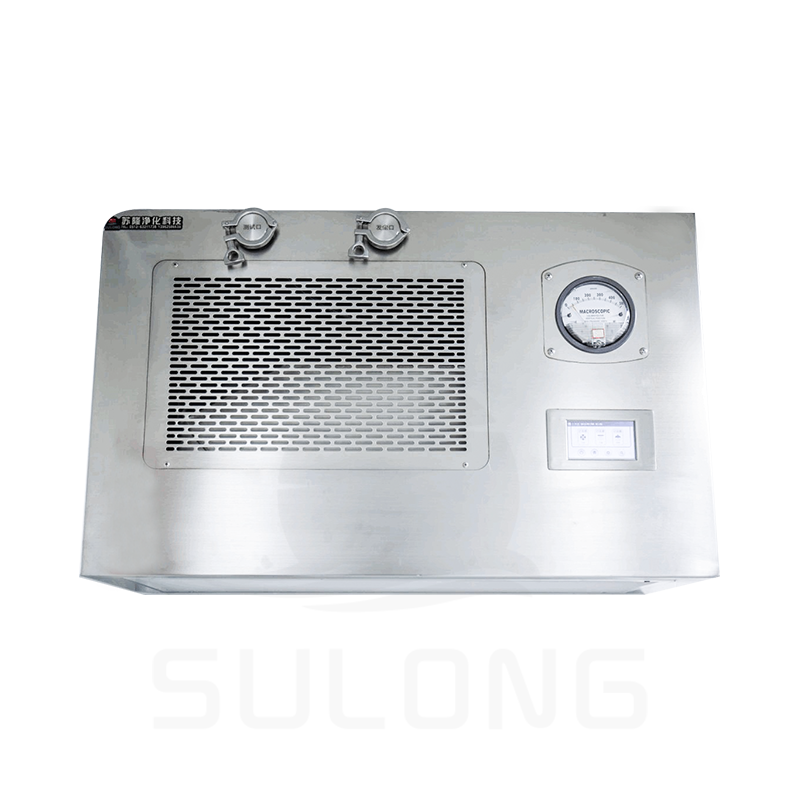
| Pass-Through Boxes | Static vs. dynamic (with FFU) and interlock type | Dynamic pass boxes actively purge contamination; critical for ISO Class 5 and cleaner zones |
In-house research and development capability in a supplier directly influences how well these products are matched to each project's specific requirements. A supplier that both develops and produces its own air conditioning terminal products can modify coil circuits, housing dimensions, or control interfaces for a specific application — something that is not possible when procuring off-the-shelf catalog products. For facilities with unusual constraints (very low ceiling heights, high sensible heat ratios, or multi-zone pressurization requirements), this adaptability translates into a cleanroom that performs reliably rather than one that technically meets specification on paper but requires constant compensation in operation.


