


Core Purification Cleanroom
Turnkey Solution
Professional Equipment, Empowering Clean Spaces
Cleanroom Wall & Ceiling
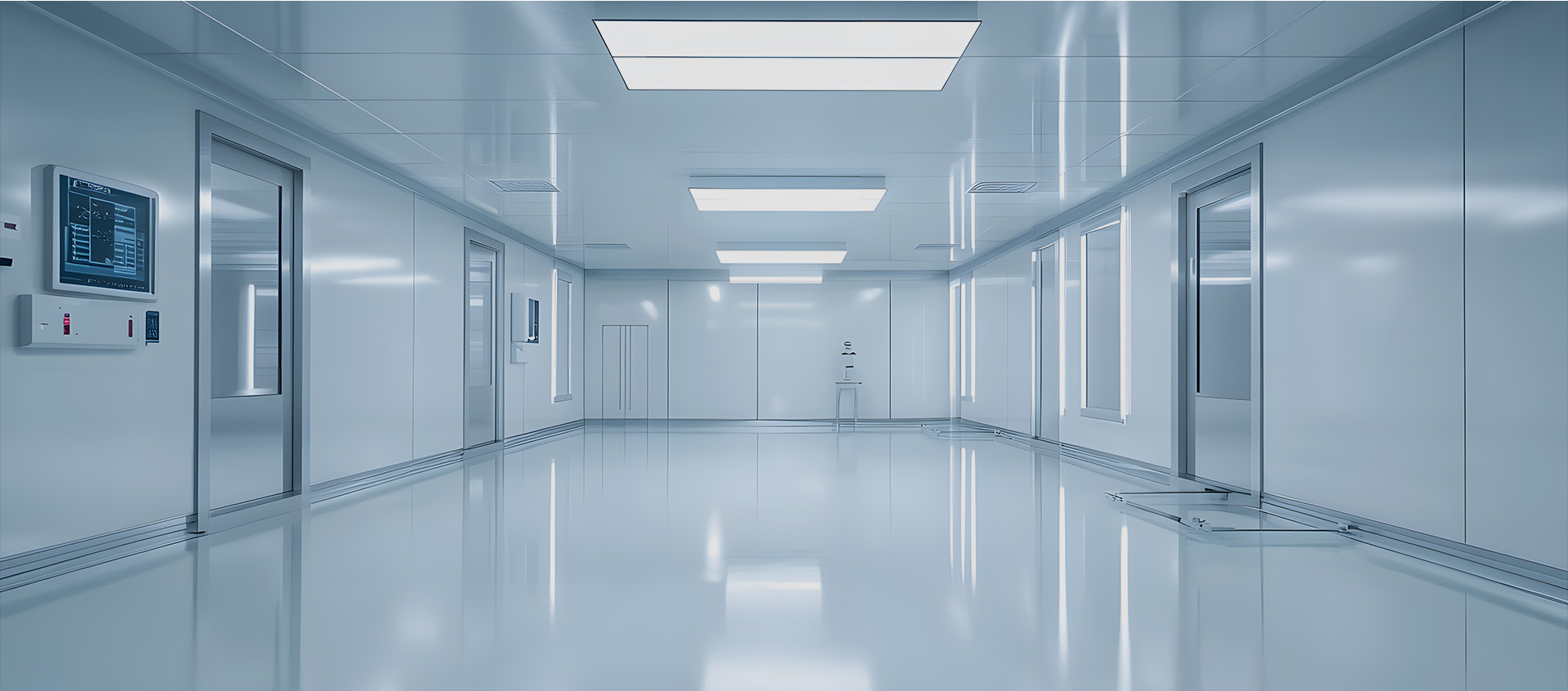
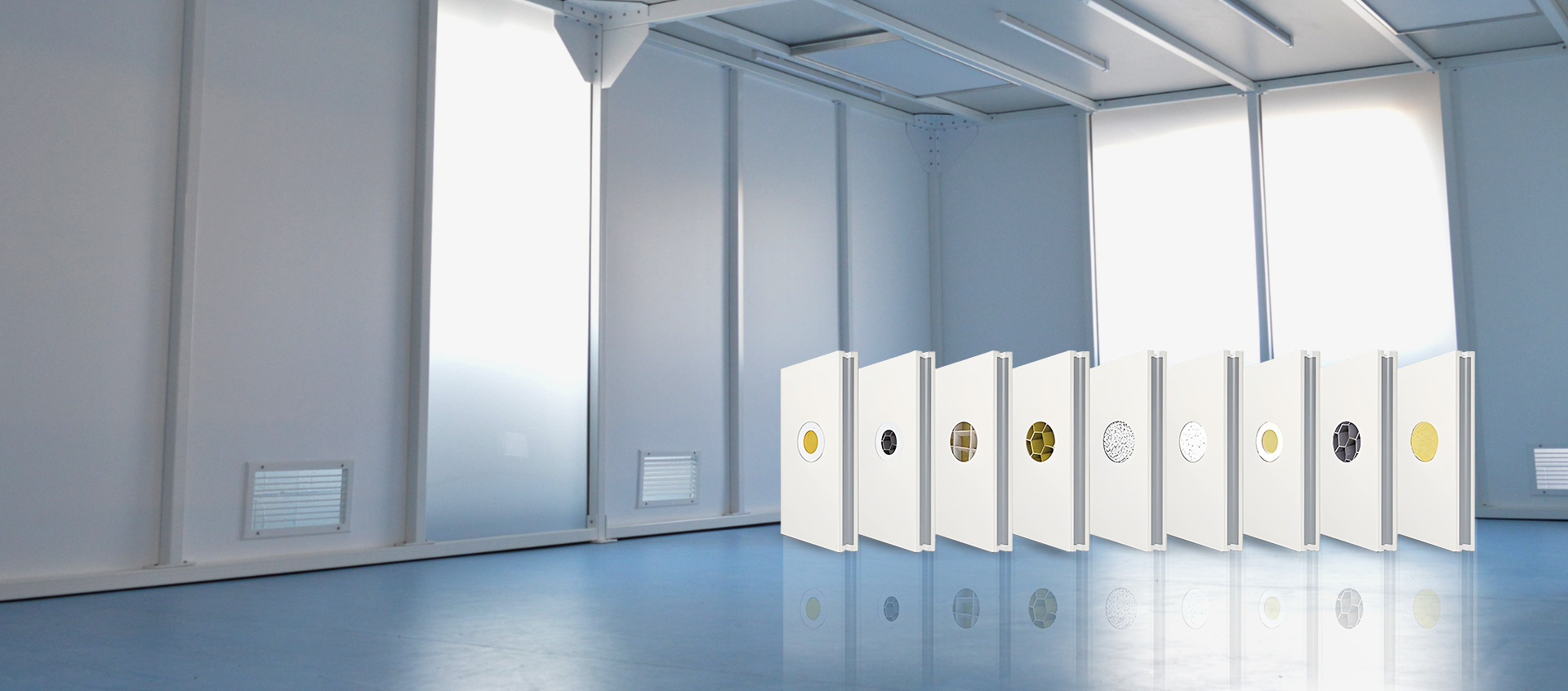
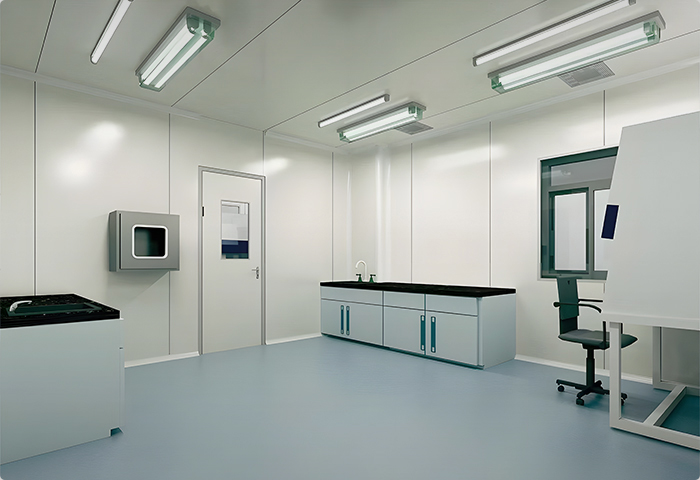
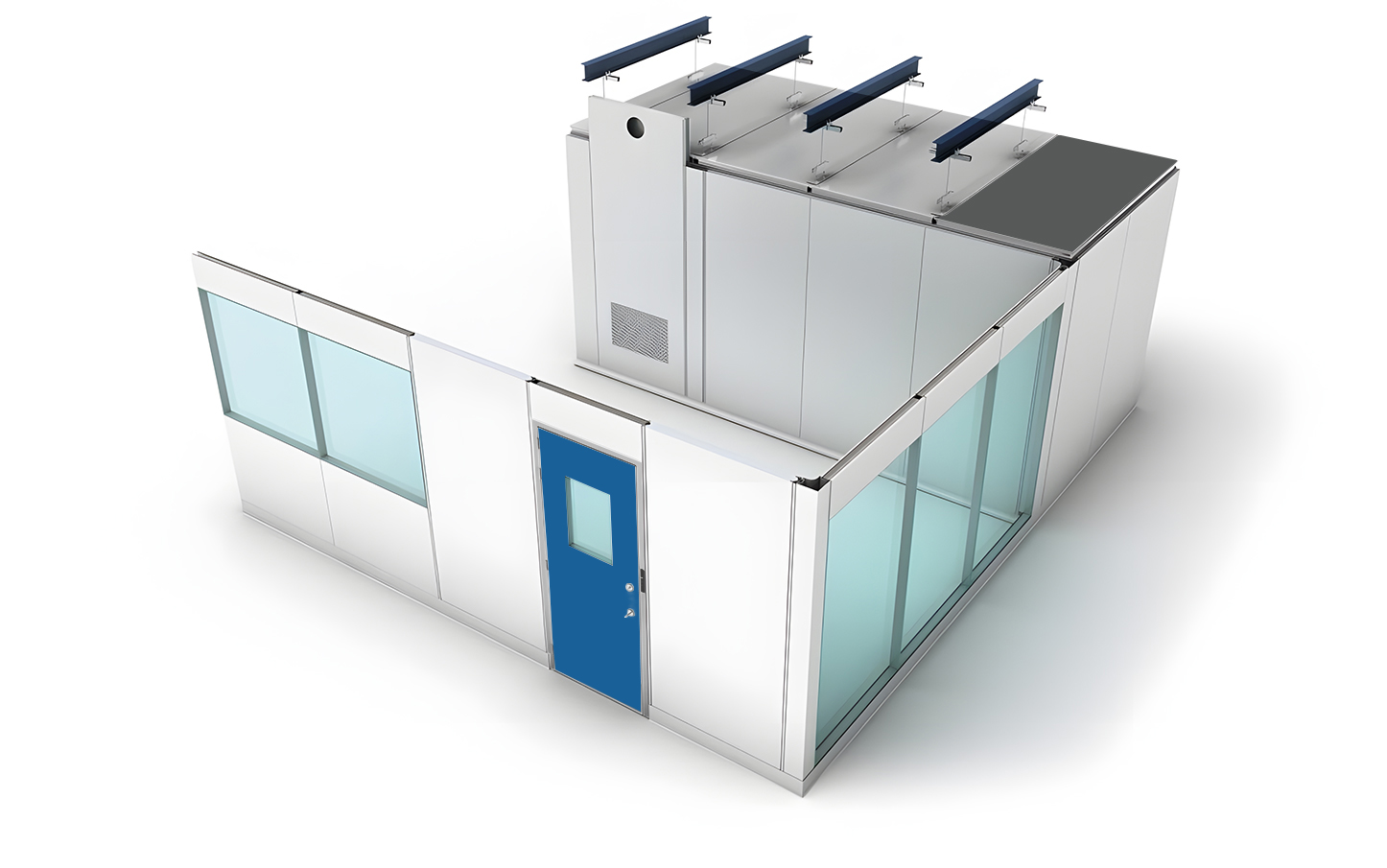
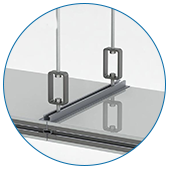
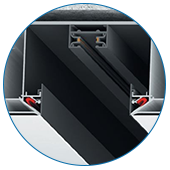
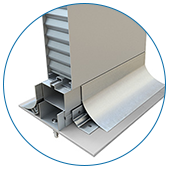
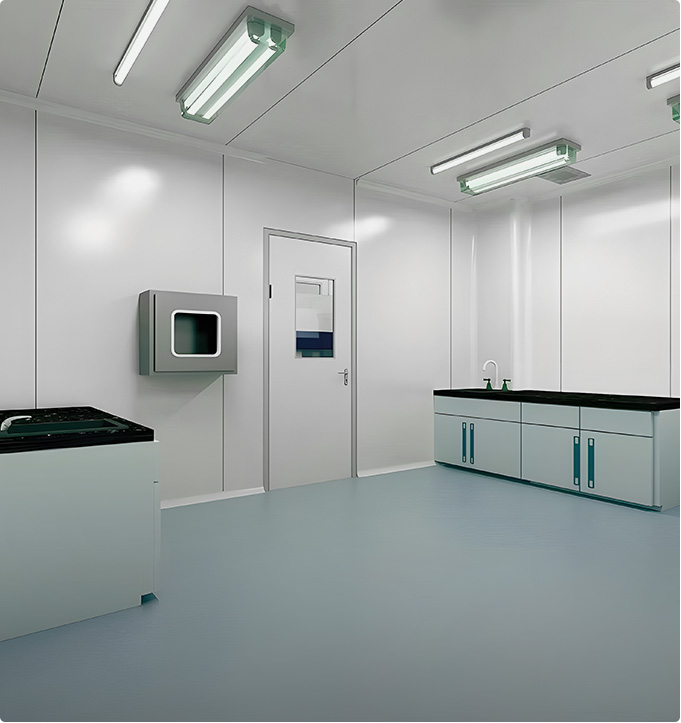
Cleanroom Wall & Ceiling is a core component designed to maintain the controlled environment required for precision industries. Crafted with non-porous, smooth materials, they resist particle accumulation and are easy to sanitize, preventing contamination risks that could compromise sensitive processes. The wall panels feature seamless interlocking designs, eliminating gaps where dust or microbes might hide. They offer structural stability while remaining lightweight for efficient installation and future reconfiguration. Matching ceiling panels integrate seamlessly with HVAC filters, lighting fixtures, and pass-through hatches, ensuring unobstructed air circulation and uniform air distribution—key to sustaining consistent cleanliness levels. Both walls and ceilings are built to withstand frequent cleaning and disinfection procedures, including wipe-downs with chemical agents and high-pressure washing, without degrading or releasing particles. They also provide thermal and acoustic insulation, reducing external interference and improving the overall operational efficiency of the cleanroom. These systems adapt to diverse cleanroom applications, from electronics manufacturing and pharmaceutical production to biotechnology labs, supporting stable, contamination-free workflows for critical operations.
explore more Cleanroom Wall & Ceiling
Cleanroom Equipment
Cleanroom Equipment
Cleanroom Equipment
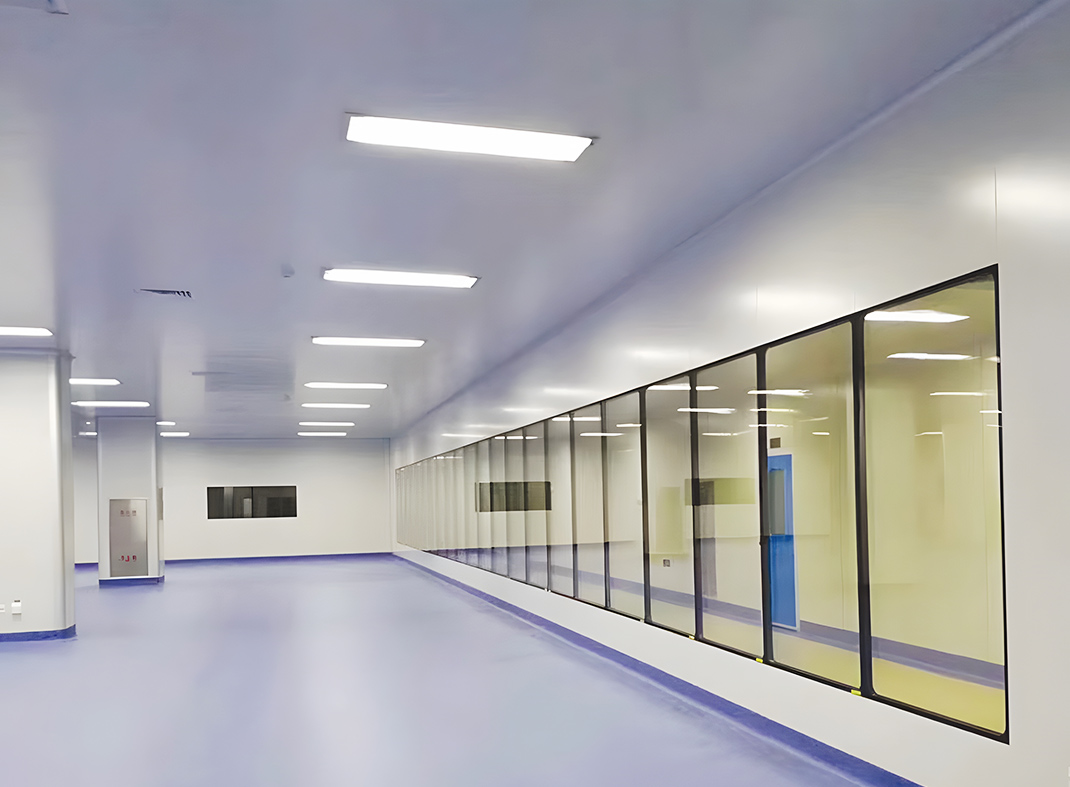
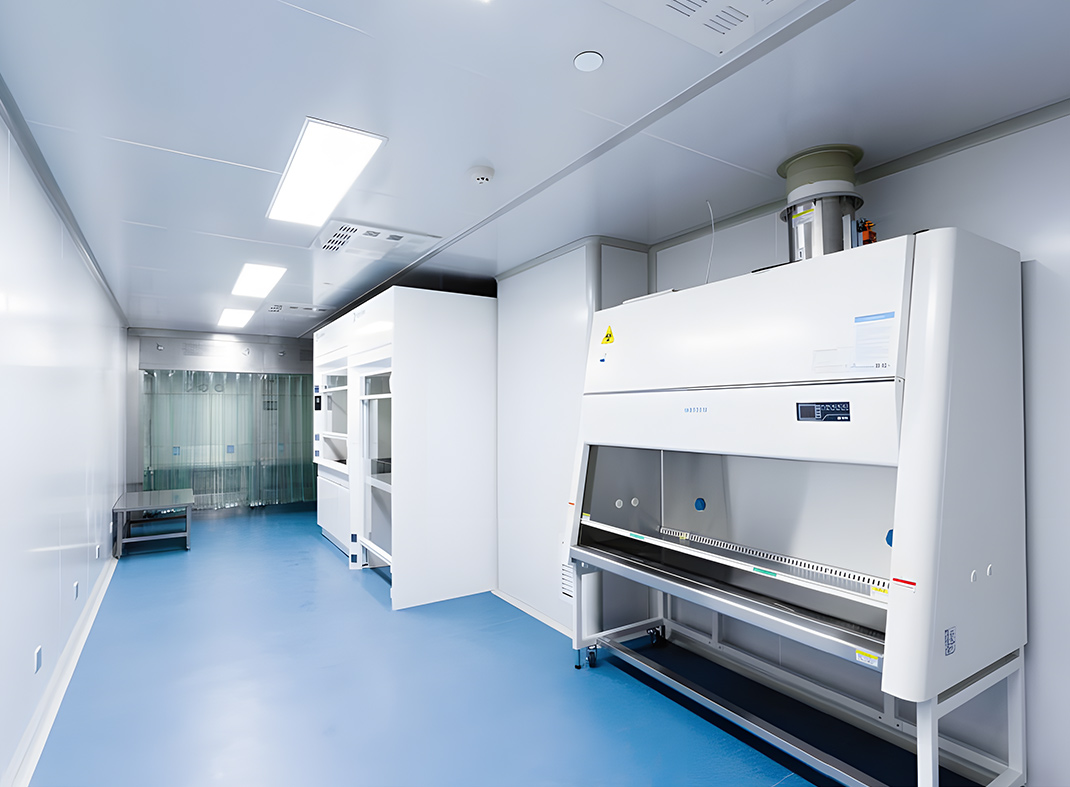
Cleanroom equipment is a category of specialized devices designed to maintain controlled, low - contamination environments, which are essential for industries requiring high levels of cleanliness. Key products include air shower rooms, cargo shower rooms, cleanroom pass-through windows, vertical unidirectional flow weighing rooms, Fan Filter Units (FFU), and clean laminar flow hoods. Air shower rooms and cargo shower rooms remove surface contaminants from personnel and goods via high - velocity filtered air before they enter clean zones, preventing external pollutants from disrupting the clean environment. Cleanroom pass - through windows enable safe transfer of materials between areas with different cleanliness levels, minimizing cross - contamination risks during handling. Vertical unidirectional flow weighing rooms provide a stable, particle-free space for precise weighing operations, ensuring the accuracy of sensitive materials. FFUs supply a continuous stream of filtered air, forming the core of a cleanroom’s air circulation and purification system. Clean laminar flow hoods create localized laminar flow environments for operations like sample preparation and micro - processing, shielding workpieces from airborne particles. Collectively, this equipment works synergistically to sustain the required cleanliness levels, supporting the stable operation of industries such as electronics, pharmaceuticals, and precision manufacturing.
explore more Cleanroom Equipment
Cleanroom Door & Window
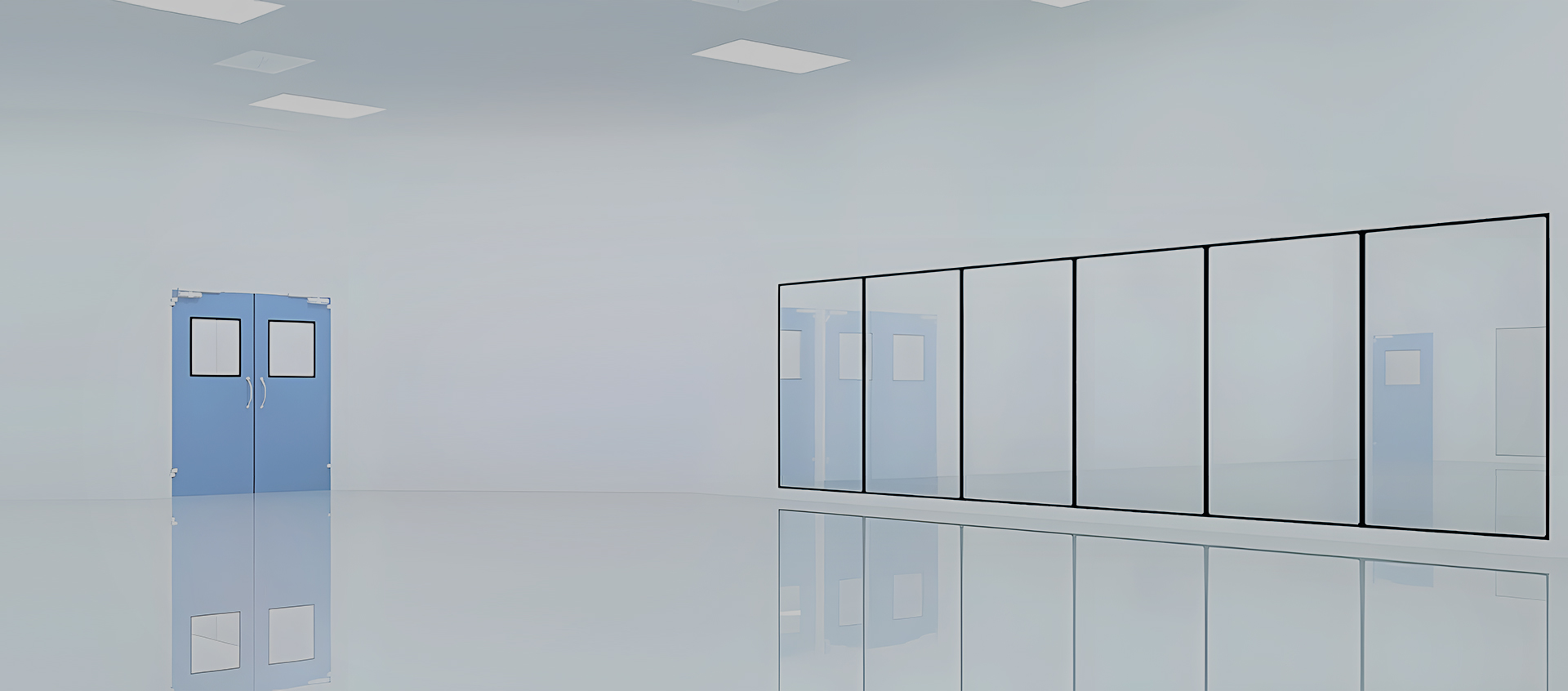
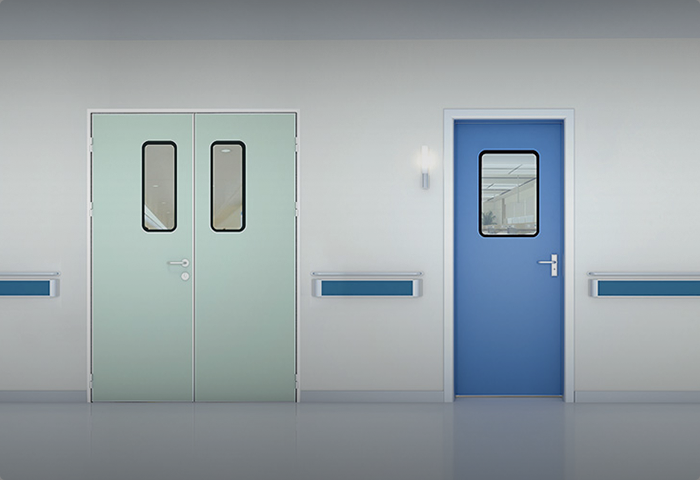
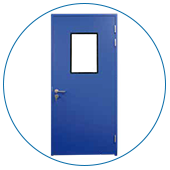
Cleanroom Door & Window are specialized components designed to maintain the controlled environment of cleanrooms, where particle contamination, temperature, and humidity need strict regulation. Cleanroom doors are engineered for airtightness and easy decontamination. They feature seamless surfaces to prevent dust accumulation, with tight-sealing gaskets that minimize air leakage between the cleanroom and adjacent areas. Common types include sliding doors, swing doors, and fast roll-up doors, each tailored to different cleanroom traffic needs—sliding doors save space for high-frequency access, while roll-up doors suit quick passage of equipment. The doors are made of non-shedding materials like stainless steel or smooth-coated aluminum, which resist corrosion and can be easily wiped down with disinfectants. Cleanroom windows complement the doors in preserving the cleanroom’s integrity. They are constructed with double or triple glazing to ensure thermal insulation and airtightness, and the glass is typically tempered for durability and easy cleaning. The window frames are sealed tightly to avoid particle infiltration, and the surfaces are non-porous to prevent dust buildup. These windows allow visual monitoring of the cleanroom interior without compromising the controlled environment, supporting operational oversight while maintaining contamination control. Together, Cleanroom Door & Window play a vital role in sustaining the cleanroom’s functionality, ensuring compliance with the low-contamination requirements of industries like electronics manufacturing, pharmaceuticals, and biotechnology.
explore more Cleanroom Door & Window
Cleanroom Accessories
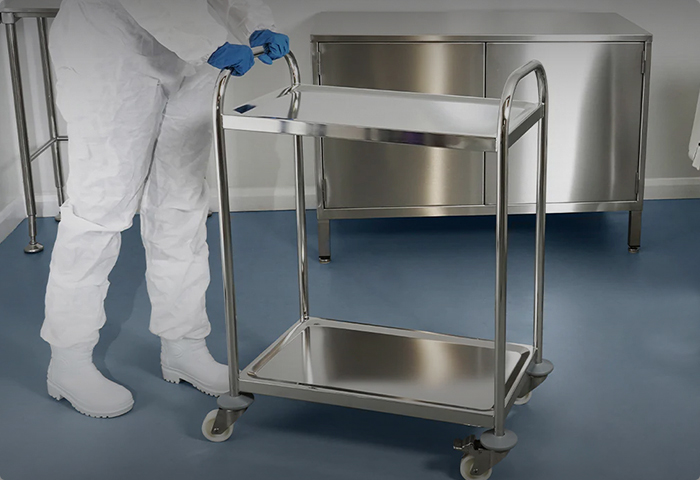
Cleanroom accessories are specialised components designed to meet the strict environmental requirements of cleanroom environments, supporting daily operations while maintaining contamination control. The lineup includes LED flat panel cleanroom lights, which deliver uniform, soft illumination without generating dust or glare, ensuring clear visibility for precision work. Stainless steel shoe cabinets and wardrobes, crafted from durable, corrosion-resistant materials, provide dedicated storage for cleanroom footwear and garments, preventing external contaminants from entering the working area. The SUS304 stainless steel wash basin features a smooth, non-porous surface that is easy to clean and disinfect, avoiding residue accumulation that could cause pollution. Cleanroom workbenches offer a stable, flat operating surface tailored for precision tasks, with structures that minimise particle shedding. Stainless steel trolleys enable safe and convenient transportation of materials and tools within the cleanroom, featuring smooth-rolling wheels and easy-to-wipe surfaces to maintain cleanliness standards. All these accessories are engineered for easy cleaning and disinfection, with seamless designs that eliminate dust-collecting gaps, making them ideal for maintaining the integrity of cleanroom spaces across industries.
explore more Cleanroom Accessories
Cleanroom turnkey Solution
The A-D grade clean system engineering design, installation Central air-conditioning systems engineering design, installation Constant temperature and humidity system
and automatic control engineering.
Cleanroom Modular products
cleanroom 3D diagram
Suzhou Sulong Purification Technology Co., Ltd.
- +
- +
- +
- +
- +
- +
- +
- +
- +
- +
- +
- +
Suzhou Sulong Purification Technology Co., Ltd.
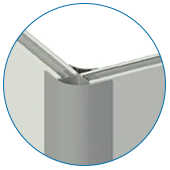
Integrated Arc Rotation Angle
Suzhou Sulong Purification Technology Co., Ltd.
Big View Panel
Suzhou Sulong Purification Technology Co., Ltd.
Clean Board
Suzhou Sulong Purification Technology Co., Ltd.
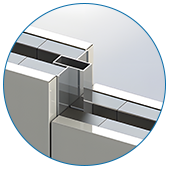
T-shaped Wall Panel Connection
Suzhou Sulong Purification Technology Co., Ltd.
The Arc is Flush With The Angle
Suzhou Sulong Purification Technology Co., Ltd.
Clean Door
Suzhou Sulong Purification Technology Co., Ltd.
Box Panel Connection
Suzhou Sulong Purification Technology Co., Ltd.
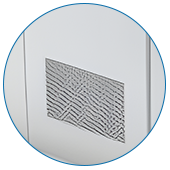
Return Air Panel
Suzhou Sulong Purification Technology Co., Ltd.
Central character type concealed
suspended beam node
Suzhou Sulong Purification Technology Co., Ltd.
Hollow Board Connection
Suzhou Sulong Purification Technology Co., Ltd.
Window on the Panel
Suzhou Sulong Purification Technology Co., Ltd.
Adjust the Manger
Suzhou Sulong Purification Technology Co., Ltd.
Full-Chain Service
We provide EPC turnkey services covering design, manufacturing, construction, commissioning, inspection, and maintenance.
Suzhou Sulong Purification Technology Co., Ltd.
Wide Industry Coverage
We specialize in cleanroom solutions ranging from Class 100 to Class 300,000, and our solutions have successfully served multiple industries.
Suzhou Sulong Purification Technology Co., Ltd.
Modern Factory
Our company have advanced production lines, providing strong support for the production of high-quality purification products.
Suzhou Sulong Purification Technology Co., Ltd.
Continuous R&D
Our professional team has rich experience combining theory and practice, continuously introduce advanced technologies and product.
Suzhou Sulong Purification Technology Co., Ltd.
Our Story
comprehensive & large Clean room Solution Provider
Suzhou Sulong Purification Technology Co., Ltd.

It is dedicated to providing advanced turnkey purification engineering solutions and core equipment for the global manufacturing industry. Integrating R&D, design, production, construction and service into one comprehensive system, we boast a self-owned modern production base. Our products and services cover cleanroom environments ranging from Class 100 to Class 300,000 standards.

We strive to become the most reliable builder of clean environments for our clients, and jointly safe guard a pure space for innovative manufacturing.
explore more Suzhou Sulong Purification Technology Co., Ltd.
  • Industry Experience (Year)

    0+

  • Factory Cover Area (M2)

    0+

  • Successful Project

    0+

  • Skillful Employees

    0+

Suzhou Sulong Purification Technology Co., Ltd.
Cleanroom System Industry-Tailored Purification Solutions
Pharmaceutical Industry
Biotechnology Industry
Food Industry
Medical & Healthcare
Electronics Industry
Cosmetics Industry
Suzhou Sulong Purification Technology Co., Ltd.
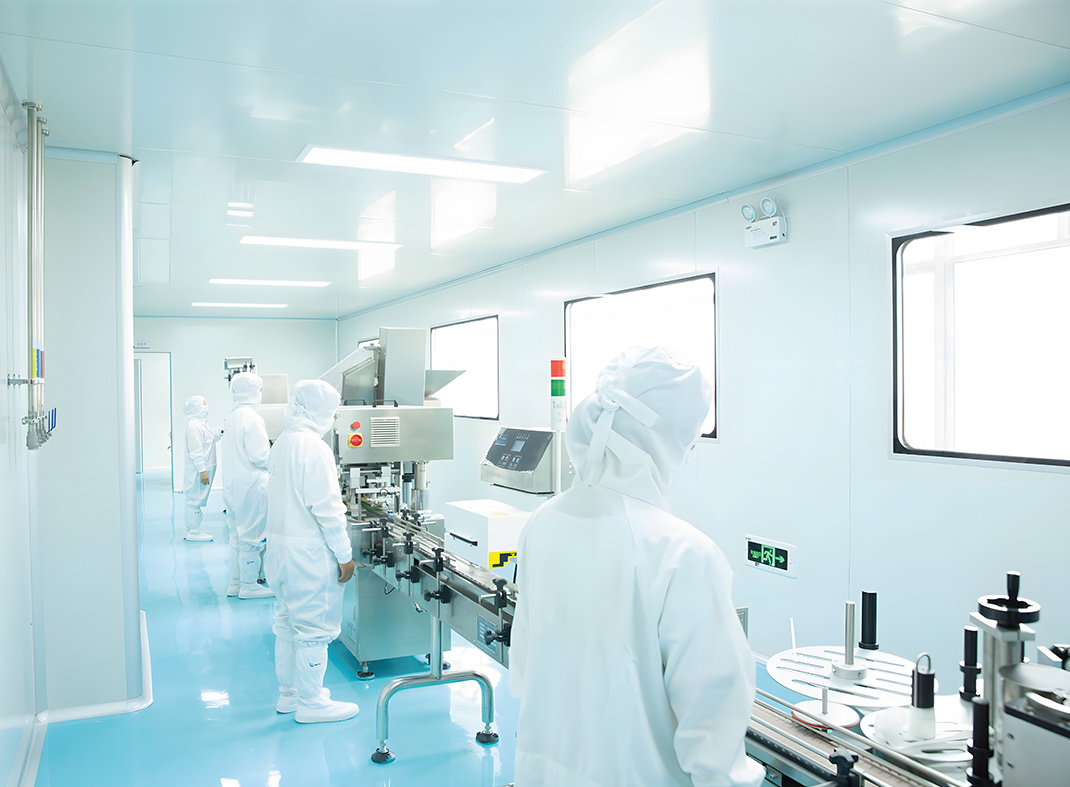
The application of clean air technologies is particularly important for the pharmaceutical industry. Effective control of biological particles and non-biological particulate air filters, so that the air entering the clean room meets the requirements.
Suzhou Sulong Purification Technology Co., Ltd.
Based on the overall planning of intelligent, environmentally friendly laboratory space, coupled with mature purification technology, customers can build high-quality, clean laboratories.
Suzhou Sulong Purification Technology Co., Ltd.
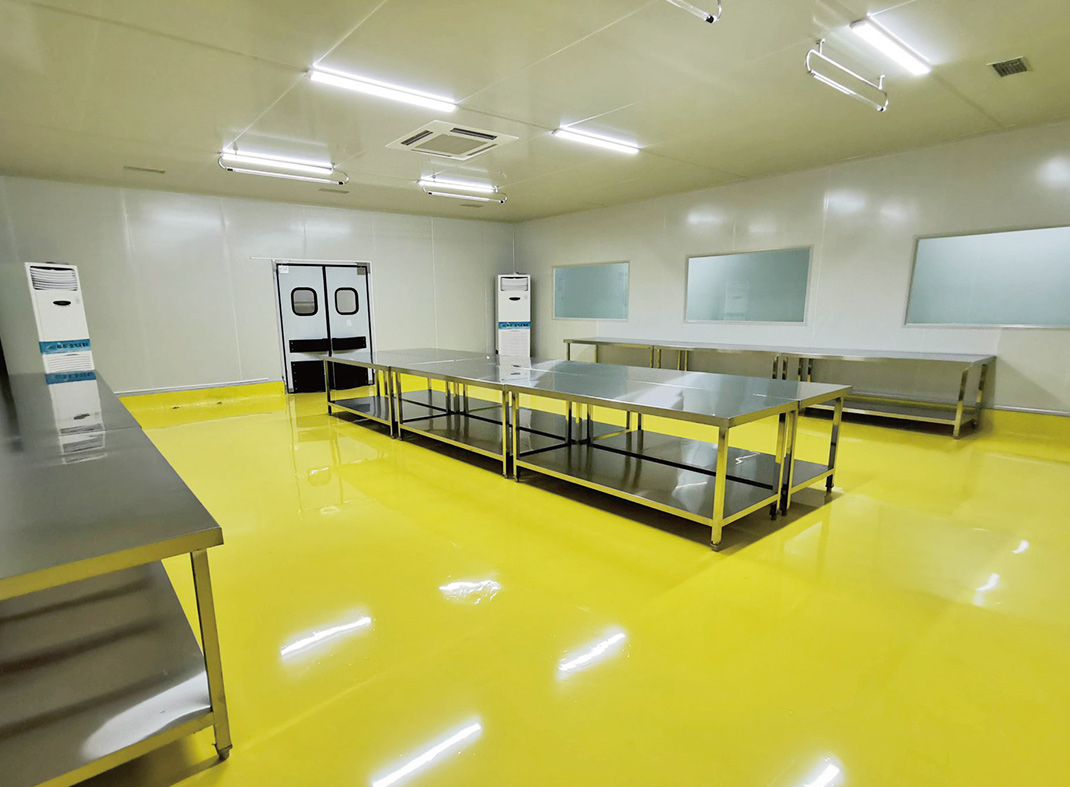
The food industry is directly related to the life and health of our consumers. Renewable bacteria against larger particles in the food production process, the Sulong purification creates a high-standard cleanroom processing plant.
Suzhou Sulong Purification Technology Co., Ltd.
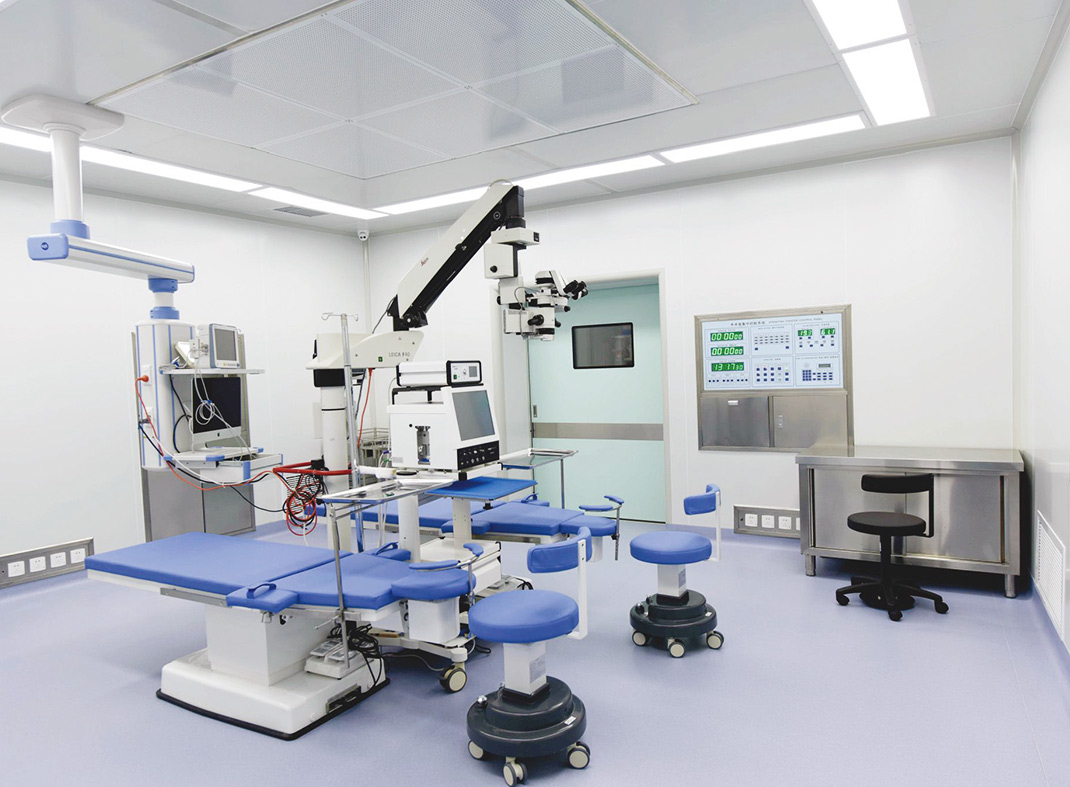
Advanced purification technology is widely used in the operating room, delivery room, center care, emergency room, burn unit, ICU, dialysis room, central supply room, pharmaceutical company, and so on.
Suzhou Sulong Purification Technology Co., Ltd.
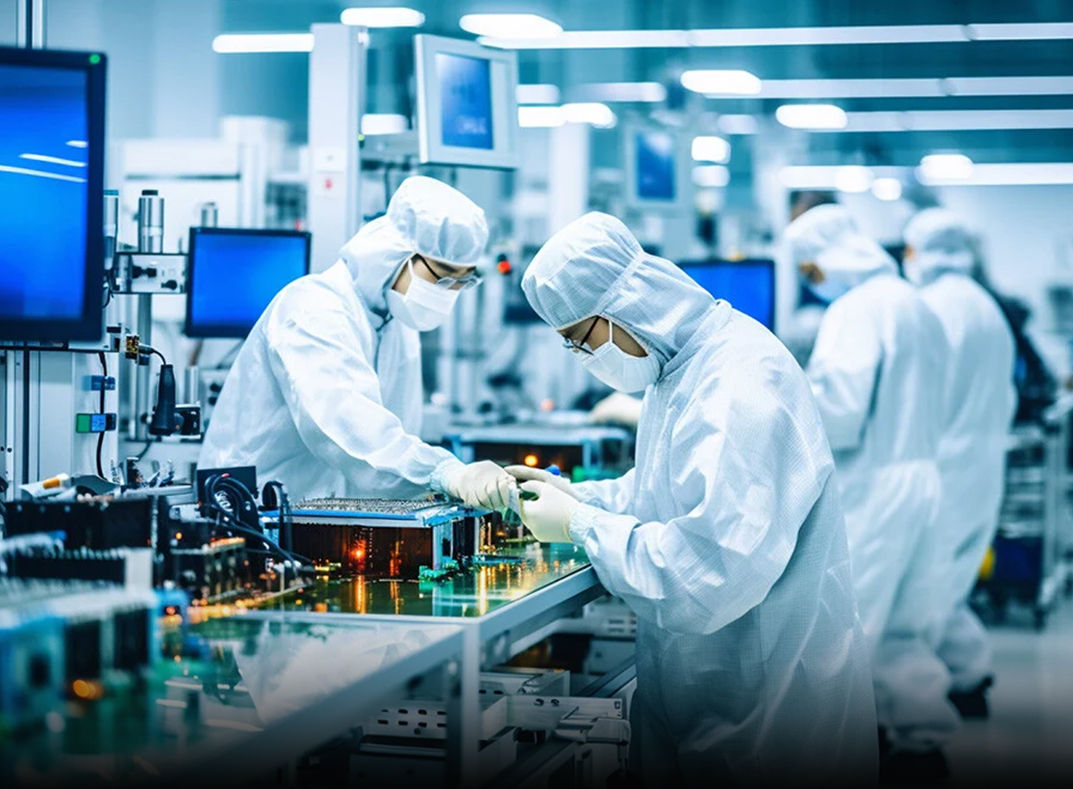
The rapid development of the modern electronics industry can not do without the support of clean technology, especially semiconductor electronic chip manufacturing cleanliness of the air particles are higherand a dust can destroy the quality of electronic products.
Suzhou Sulong Purification Technology Co., Ltd.
Cleanrooms are the core of compliance and quality assurance in cosmetic production. Their core function is to control microorganisms, particulate matter, and cross-contamination.
recently News & Events
Check out the news from us to know about the company's new product and events.
17th ASIA PHARMA EXPO | ASIA LAB EXPO
17th ASIA PHARMA EXPO | ASIA LAB EXPO Feb.26 2026
17th ASIA PHARMA EXPO | ASIA LAB EXPO

An international exhibition on COMPLETE pharma manufacturing.  17th ASIA PHARMA EXPO | ASIA LAB EXPO

Date: March 29 to 31, 2026

Booth No.: Hall-1, 1508-E

VENUE: BCFEC, Purbachal, Dhaka, BANGLADESH

How are clean room window seamlessly integrated with wall panels?
How are clean room window seamlessly integrated with wall panels? Feb.24 2026
How are clean room window seamlessly integrated with wall panels?

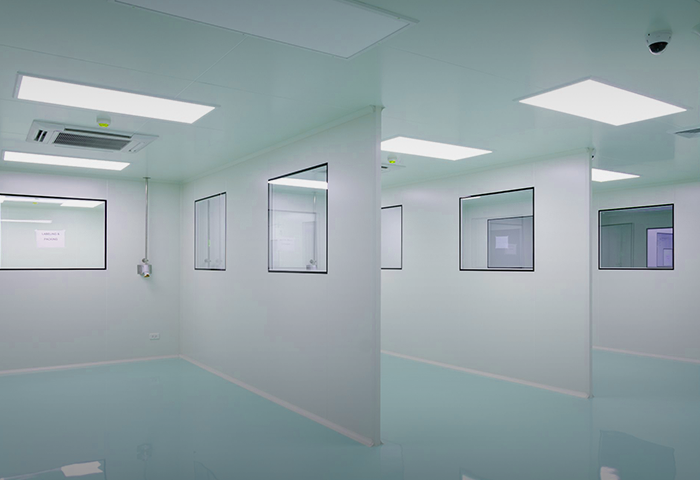
Controlled environments rely on precision. Walls define boundaries. Windows provide visibility. When these two elements meet, the connection must be smooth, stable, and sealed. The integration of the clean room window with the wall panels is not only a design detail. It shapes hygiene control, workflow clarity, and long-term durability.

In modern facilities, windows are no longer added as afterthoughts. They are designed as part of the wall system. Their structure, placement, and installation method are coordinated from the early planning stage. This approach reduces gaps, uneven surfaces, and contamination risks. A seamless connection is both visual and structural. It allows walls and windows to function as one unit rather than separate components.

Why Is Seamless Integration So Important?

Cleanrooms demand near-perfect control, and even small design flaws can become major liabilities. Tiny gaps between wall sections or around window frames can trap dust, particles, and residues over time. Protruding edges or uneven joints create surfaces that are hard to wipe down completely and consistently. Poorly aligned components can interfere with laminar airflow, pressure stability, or the ability to maintain clear visual oversight between zones.

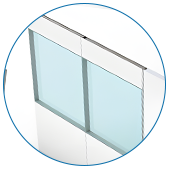
When transparent panels or observation windows are truly seamlessly integrated into the modular partition system, the wall plane stays perfectly flush and uninterrupted. There are no lips, recesses, shadow lines, or exposed fasteners where contaminants could settle or hide. This clean, continuous surface eliminates hidden pockets that would otherwise require special cleaning tools, extended decontamination cycles, or increased validation effort.

Seamless integration also delivers meaningful operational improvements:

  • Team members can reliably observe adjacent clean zones or support areas without crossing boundaries, dramatically cutting down on unnecessary gowning, airlock traffic, and entries/exits.
  • Reduced movement through classified spaces helps preserve tightly controlled environmental parameters—particle counts, differential pressure, temperature, and humidity—by reducing disturbances.
  • Direct, high-quality visual access supports faster awareness and response without physical intrusion.

This level of integration impacts several essential performance dimensions at the same time:

  1. Surface continuity and smoothness — resulting in a monolithic, easy-to-sanitize plane with zero particle-trapping features.
  2. Reliable airtight sealing — delivering consistent, leak-free joints that protect pressure cascades and directional airflow integrity.
  3. Long-term structural alignment — ensuring the assembly stays rigid, plumb, and vibration-resistant during years of use.
  4. Superior visual performance — providing crystal-clear, undistorted sightlines for precise, real-time observation across boundaries.
  5. Simplified maintenance and cleaning — removing complex seams, hidden crevices, or difficult-to-reach areas that complicate routine upkeep.

When these aspects are properly addressed through thoughtful, seamless design, the cleanroom achieves both uncompromising contamination control and genuinely efficient day-to-day operation. The environment becomes easier to sustain at the required classification, workflows flow more naturally, and the overall risk profile improves noticeably.

What the advantages and disadvantages of cleanroom windows in practical application
What the advantages and disadvantages of cleanroom windows in practical application Feb.24 2026
What the advantages and disadvantages of cleanroom windows in practical application

In modern industries such as pharmaceuticals, medical devices, food, electronics, and laboratories, the construction and management of cleanrooms are directly related to product quality and safety. Cleanroom Windows, as an indispensable part of cleanroom structures, not only serve as partitions and observation tools but also play a crucial role in airtightness, cleanliness, and safety.

Windows are specialized observation and isolation units designed for cleanrooms and controlled environments. Unlike ordinary windows, they have strict requirements in terms of materials, structure, and installation methods. Their main functions include:

        Ensuring spatial separation while maintaining visibility;

        Preventing air leakage to stabilize the cleanroom classification.

        Enhancing operational safety and management efficiency.

Why are Windows so important? This is because in a cleanroom environment, any uncontrolled air exchange or particle infiltration can compromise the final product's quality.

Advantages of Cleanroom Windows

Excellent Airtightness

Equipped with double or multi-layer glass and sealing systems, they effectively prevent air leakage, ensuring differential pressure and cleanroom integrity.

High Cleanliness Performance

Flat and seamless surfaces prevent dust and microbial accumulation, making cleaning and maintenance easy while meeting hygienic standards.

High Light Transmittance

Superior glass transparency allows clear visibility between rooms, enhances communication efficiency, and does not affect interior lighting.

Structural Safety

Often made of tempered or laminated glass with impact resistance and anti-shatter properties.

Chemical Resistance

Optional special coatings offer resistance to acids, alkalis, and disinfectants, making them suitable for frequent cleaning in pharmaceutical and healthcare facilities.

Strong Adaptability

Capable of maintaining stable performance under varying environmental conditions such as high humidity, elevated temperatures, or negative pressure.

Customizable Options

Available in different dimensions, thicknesses, frame materials, and functionalities (e.g., anti-static, UV resistance) based on project requirements.

Aesthetic and Integrated Design

Flush-mounted with cleanroom wall panels, offering a neat and uniform appearance that enhances the overall environment.

How does the PCGI type sandwich panel enhance installation efficiency and safety?
How does the PCGI type sandwich panel enhance installation efficiency and safety? Feb.23 2026
How does the PCGI type sandwich panel enhance installation efficiency and safety?

Construction projects often face time and labor challenges. Choosing materials that reduce complexity can make a significant difference. PCGI sandwich panels have emerged as a practical solution. Their design and properties allow for faster, more efficient installation than many traditional materials. But what makes them stand out in terms of construction efficiency?

What Makes PCGI Sandwich Panels Easier to Handle on Site?

One of the main factors is their weight and uniformity. Panels are lightweight compared to conventional wall or roof materials, yet maintain structural strength.

Key advantages include:

  • Uniform dimensions reduce alignment errors.
  • Lightweight design minimizes manual handling strain.
  • Standardized shapes facilitate modular construction.
  • Pre-finished surfaces reduce the need for on-site painting or coating.

These aspects combine to reduce the effort required from labor teams, allowing projects to progress smoothly without excessive physical demands.

How Does Panel Size Influence Installation Speed?

Panel size directly impacts how quickly and efficiently roofing or cladding can be installed, and panels are purposefully crafted in larger dimensions to streamline the entire process. Traditional alternatives—think small tiles, individual shingles, bricks, or multi-ply layered systems—often require dozens or hundreds of separate pieces (plus repeated layering) to cover the same surface area. Yuanda's bigger panels let installers span wide sections in far fewer steps, dramatically accelerating progress.

The important advantages of working with larger panel sizes include:

  • Drastically fewer joints and seams — Each panel covers more ground, so there are simply fewer places where edges meet. That means less time spent aligning, overlapping, sealing, flashing, or waterproofing connections, while also creating a cleaner, more uniform finished surface.
  • Much less measuring, marking, and cutting on site — Oversized panels arrive ready to cover big uninterrupted runs. Crews spend minimal time trimming for ridges, valleys, dormers, or odd angles. Most pieces install straight from the pallet, keeping the workflow fast and reducing the chance of errors during custom cuts.
  • Faster positioning, leveling, and fastening — Handling and placing fewer, larger units is quicker than maneuvering and securing a high volume of small components. Alignment goes smoother, attachments happen in fewer locations, and the overall pace of the job accelerates—often shortening the installation phase by a meaningful percentage.

A clear illustration: To protect 100 square meters of roof surface, Yuanda's larger panels typically require only a fraction of the individual pieces needed with conventional small-format materials. That lower piece count directly translates to less lifting, less carrying across the roof, less staging on the ground, fewer trips up and down ladders or scaffolding, and significantly reduced total labor hours.

Why is regular maintenance of clean room sandwich panel necessary?
Why is regular maintenance of clean room sandwich panel necessary? Feb.23 2026
Why is regular maintenance of clean room sandwich panel necessary?

Clean rooms are vital environments for industries that demand high standards of cleanliness. From pharmaceuticals to electronics, these controlled spaces rely on every component performing as expected. Among these components, clean room panels play a crucial role. They act as barriers, maintaining the integrity of the controlled environment. However, the efficiency of these panels is not permanent. Over time, wear, dust accumulation, and environmental factors can affect their performance. Regular maintenance of clean room panels ensures the space remains effective, safe, and compliant.

How to extend the lifespan of the panel?

Clean room panels involve a considerable capital outlay for any operation that relies on precise environmental control. Inadequate or irregular maintenance causes them to break down prematurely, resulting in frequent and unnecessarily high costs for complete replacement.

Primary factors that speed up panel degradation are:

  • Prolonged or frequent exposure to moisture or humidity
  • Buildup of chemical residues left behind by cleaning solutions, disinfectants, or production processes
  • Cleaning techniques that rely on abrasive materials, rough pads, aggressive scrubbing, or chemically incompatible products

The reliable strategy for safeguarding this investment and extending panel service life is to implement a structured, recurring maintenance schedule.

Essential routine maintenance steps include:

  • Detailed examination of seals, gaskets, and all joint areas for evidence of cracking, compression set, separation, brittleness, or material failure
  • Systematic inspection of panel surfaces, corners, and edges to identify scratches, abrasions, dents, bowing, discoloration, peeling, or any other form of visible or tactile damage
  • Application of protective products—such as approved seal conditioners, surface protectants, or specialized coatings—only as directed by the panel manufacturer

Conducting these checks at consistent intervals enables early detection and prompt correction of small issues. This prevents minor flaws from escalating into widespread structural compromise, extensive repair requirements, or total panel replacement. The result is minimized production downtime, fewer unplanned interruptions, and substantially lower overall maintenance and replacement expenditures.

How to maintain airflow efficiency?

Clean room airflow is precisely engineered to reduce contamination hazards, ensure even temperature control, and sustain the necessary pressure gradients across zones. Wall and ceiling panels serve as essential elements in this setup—they establish the physical envelope that guides, channels, and contains the designed air paths, whether laminar unidirectional flow from ceiling to floor or controlled non-unidirectional patterns.

Even minor panel issues—such as misalignment between sections, warping or bowing of surfaces, physical dents or impacts, loose fastening, or gaps at seams and joints—can compromise airflow integrity. These deviations introduce turbulence, stagnant pockets (dead zones), unintended air shortcuts, or leakage that distort the intended flow uniformity and velocity.

Such airflow irregularities are frequently subtle and go unnoticed during day-to-day monitoring or visual checks. Over time, however, they foster persistent problems: localized areas where particles accumulate more readily (contamination hotspots), inconsistent particle sweep-away efficiency, fluctuating pressure differentials, or uneven environmental conditions that jeopardize product purity, process consistency, or adherence to cleanliness standards and regulations.

Regular, practical inspections—verifying panel alignment and flushness, confirming flatness across surfaces, ensuring all fasteners and connections remain tight and secure, and looking for any evidence of damage, shifting, or wear—enable early spotting of these concerns. Prompt correction of small anomalies preserves the original airflow performance, prevents minor irregularities from growing into systemic deficiencies, and maintains dependable, long-term cleanroom functionality with minimal need for extensive rework or shutdowns.