
2026-04-16
Content
Clean room wall panels are specially engineered building components designed to create controlled environments where contamination — whether from dust, microbes, chemicals, or particles — must be kept to an absolute minimum. These panels are the backbone of industries like pharmaceutical manufacturing, semiconductor fabrication, aerospace, and food processing. Unlike standard drywall or commercial partitions, clean room wall panels are built to resist bacterial growth, withstand rigorous chemical cleaning, and maintain airtight seals that support strict air quality standards.
If you're setting up or upgrading a controlled environment, choosing the right wall panel system is one of the most critical decisions you'll make. The wrong choice can compromise ISO classifications, fail audits, and cost your operation significantly in downtime and remediation. This guide breaks down everything you need to know — from materials and construction types to installation best practices and maintenance tips.
Not all cleanroom wall panels are created equal. The construction method and materials used directly affect performance, flexibility, and long-term cost. Here are the main types you'll encounter on the market:
Modular clean room panels are prefabricated units that bolt or clip together on-site. They're popular because they can be disassembled, reconfigured, and relocated without significant construction work. This makes them ideal for facilities that expect layout changes or that are leasing their space. Modular systems typically use a steel or aluminum frame with an insulated core and a smooth, non-porous face sheet.
These panels sandwich a rigid polyurethane or polystyrene foam core between two metal face sheets — usually galvanized steel or aluminum. They offer excellent thermal insulation and structural rigidity. Foam core panels are a go-to solution for larger clean rooms where temperature stability is critical, such as in biotech or pharmaceutical environments.
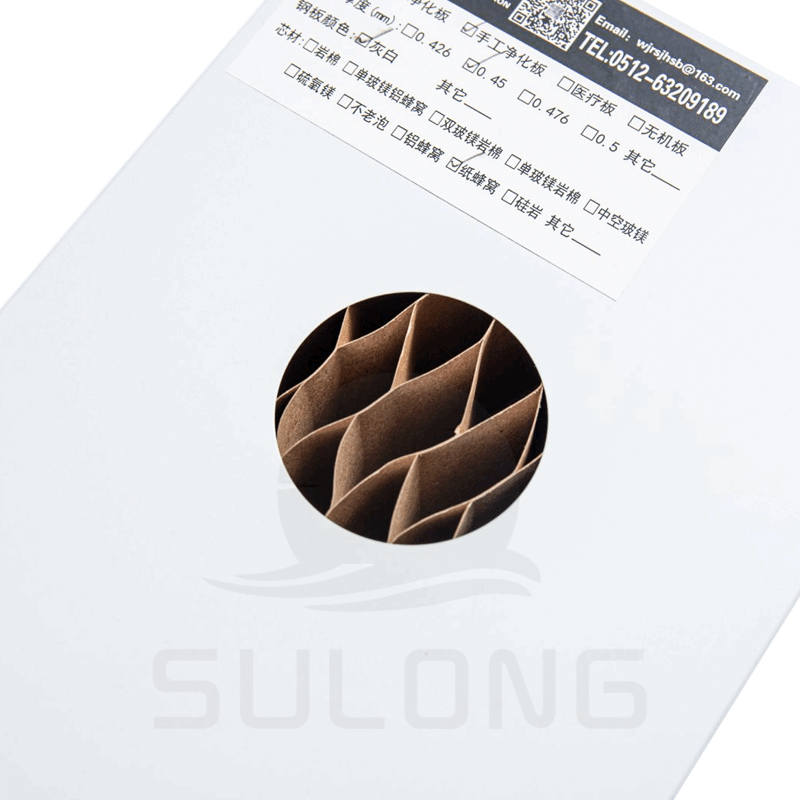
Honeycomb panels use an aluminum or paper honeycomb core, which provides a high strength-to-weight ratio. They're lighter than foam core panels while still being extremely rigid. Because there's less material inside the panel, they're also less prone to off-gassing, which is a concern in environments sensitive to volatile organic compounds (VOCs).
For lower ISO classifications (like ISO 7 or ISO 8), some facilities use modified drywall systems with smooth, sealed surfaces and appropriate coatings. While this approach is less expensive upfront, it lacks the flexibility and long-term durability of dedicated cleanroom panel systems. Repainting, resealing, and managing cracks over time can raise the total cost of ownership.
The material composition of a clean room wall panel determines its chemical resistance, cleanability, particle shedding behavior, and compliance with fire codes. Here's a breakdown of the most widely used surface and core materials:
| Material | Common Use | Key Advantage | Limitation |
| Galvanized Steel | General cleanrooms | Durable, cost-effective | Can corrode in harsh chemical environments |
| Stainless Steel | Pharma, food processing | Excellent chemical resistance | Higher cost |
| Aluminum | Electronics, aerospace | Lightweight, non-magnetic | Less rigid than steel |
| FRP (Fiberglass Reinforced Plastic) | Wet or chemical environments | Waterproof, corrosion-proof | Can scratch over time |
| PVC / Vinyl-Coated Steel | Budget-conscious installs | Easy to clean, affordable | Limited temperature tolerance |
In most pharmaceutical and biotech clean rooms, stainless steel-faced panels or smooth powder-coated steel are the standard. For semiconductor fabs, aluminum panels that minimize magnetic interference and particle generation are preferred.
Selecting the right cleanroom partition panels involves more than just picking a material. You need to evaluate several technical and operational factors that align with your specific ISO classification, industry regulations, and facility layout goals.
The ISO classification of your clean room defines how many airborne particles per cubic meter are acceptable. The tighter the classification, the more demanding the surface requirements. For ISO 5 or ISO 6 environments — common in semiconductor manufacturing or sterile drug production — you need panels with extremely smooth, non-porous surfaces that won't harbor particles or shed fibers. For ISO 7 or ISO 8 environments, the requirements are somewhat more relaxed, giving you more material options.
What cleaning agents will be used in your facility? IPA (isopropyl alcohol), hydrogen peroxide vapor, bleach, and other aggressive disinfectants are commonly used in pharmaceutical and medical device clean rooms. Not all panel surfaces hold up well to repeated exposure. Stainless steel and FRP panels tend to perform best in high-chemical-contact scenarios. Always check the manufacturer's chemical resistance chart before making a final decision.
If your operation may scale or change processes over the next few years, modular cleanroom wall panel systems offer a major advantage. They can be taken apart and reassembled in new configurations without the downtime and expense of demolition and reconstruction. This is especially important for startups, contract manufacturers, and research labs where space requirements evolve frequently.
Clean room panels must comply with local building codes and fire safety regulations. Most reputable manufacturers offer panels tested to ASTM E84 (surface burning characteristics) or equivalent international standards. If your clean room is located within a larger facility, the fire rating of the panel system will need to coordinate with the overall building's requirements. Always verify certifications before purchasing.
Even the best clean room wall panel system can underperform if it's installed incorrectly. Contamination control starts at the construction phase, and every joint, seal, and penetration is a potential weak point. Here are the most important installation practices to follow:
Cleanroom wall panels are built to be cleaned frequently and aggressively, but proper technique still matters. Improper cleaning can degrade the surface coating, create micro-scratches that trap contamination, or introduce new particles into the environment.
Most cleanroom surfaces should be wiped down with lint-free, low-particle wipes using an approved cleaning solution. The direction of wiping matters — always wipe from the cleanest area to the dirtiest (typically top to bottom, inside to outside) to avoid redistributing contamination. Using a "fold-and-wipe" technique with each pass ensures you're always using a clean section of the wipe.
Beyond routine maintenance, schedule periodic deep cleaning sessions that cover all wall surfaces from floor to ceiling, including the back sides of equipment positioned near walls. This is also the time to inspect sealants for cracking or peeling and to check panel fasteners for any signs of corrosion or loosening.
High-quality cleanroom wall panels can last 15–25 years with proper maintenance. Signs it's time to replace a panel include surface delamination, persistent discoloration that doesn't respond to cleaning, physical damage (dents, chips) that creates particle-trapping crevices, or failing ISO certification tests that can be traced back to wall surface degradation.
Clean room construction is a significant investment, and wall panels represent a major portion of the budget. Pricing varies widely depending on panel type, material, finish, and project scale. Here's a rough breakdown of what to expect:
Keep in mind that the cheapest upfront option often carries the highest long-term cost. Panels that require frequent repainting, reseal, or replacement interrupt operations and consume labor hours. When calculating ROI, factor in cleaning frequency, expected lifespan, and the cost of any compliance failures or downtime.
Different industries impose different standards on cleanroom wall panels. Understanding these regulatory frameworks helps you make a specification that passes audits and protects your product quality.
FDA 21 CFR Part 211 and EU GMP Annex 1 (for sterile manufacturing) set strict requirements for cleanroom surface finishes. Walls must be smooth, non-shedding, and able to withstand repeated sanitization. Coved corners are mandatory in most cases. Documentation proving material inertness and cleaning validation is typically required for regulatory submissions.
In semiconductor fabs, electrostatic discharge (ESD) is a major concern in addition to particle contamination. Some wall panel systems in this sector incorporate ESD-dissipative coatings or conductive layers to safely ground static charges. SEMI standards and IEST guidelines are the primary references for these environments.
For food-grade cleanrooms, wall panels must comply with FDA food contact material standards and often USDA requirements. FRP panels are especially common here because they resist moisture, mold, and the aggressive cleaning agents used in food processing environments. Panels must also be free of materials that could contaminate food products if surface degradation occurs.
Selecting, installing, and maintaining clean room wall panels is not a one-size-fits-all exercise. The best choice depends on your specific ISO class, industry regulations, operational flexibility needs, and budget. Investing time in proper specification upfront — working with experienced cleanroom contractors and reputable panel manufacturers — pays dividends in reduced contamination risk, smoother regulatory audits, and a longer service life for your controlled environment.
Whether you're building a brand-new ISO 5 pharmaceutical suite or retrofitting an existing space to meet ISO 7 standards, the wall panel system you choose will define the foundation of your contamination control strategy. Take the decision seriously, consult the specifications carefully, and don't cut corners on installation quality — your product quality and regulatory compliance depend on it.

Follow Us:
 Call us :
  Mail us to:


 English
 中文简体
中文简体