
 Call us :
  Mail us to:


 English
 中文简体
中文简体

Product Knowledge
How Rockwool Fiber Orientation Affects Acoustic and Thermal Performance
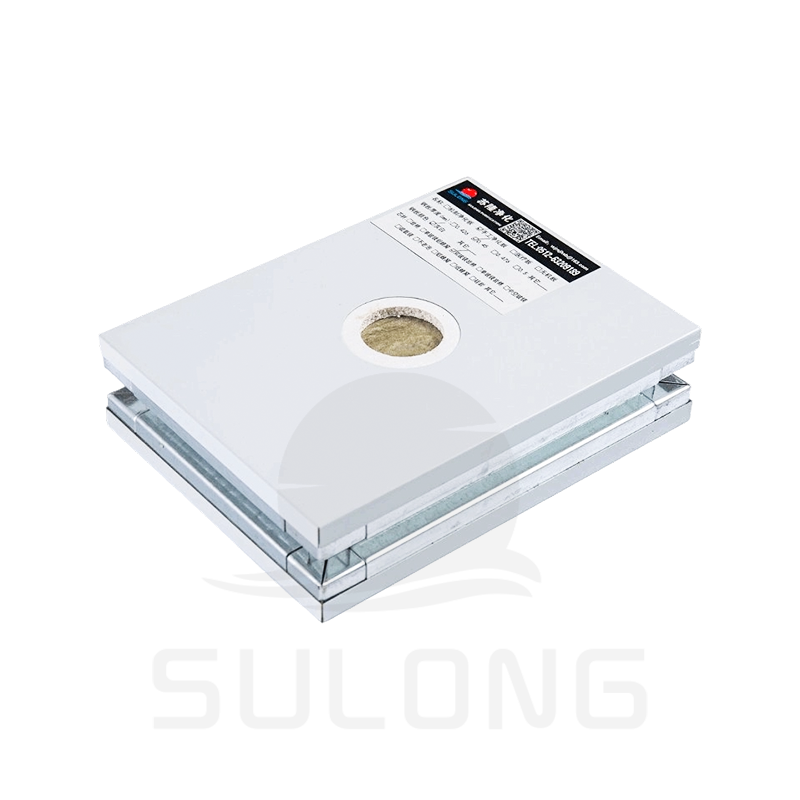
Not all rockwool cores perform equally, and the difference often comes down to fiber orientation during manufacturing. Rockwool (stone wool) can be produced with fibers lying predominantly horizontal — parallel to the panel face — or with fibers arranged vertically in a "lamellar" configuration perpendicular to the face. Horizontal-fiber boards offer good compressive strength and are widely used in standard sandwich panel production, but lamellar-cut rockwool, where the fibers run through the full thickness of the core, delivers significantly higher tensile strength perpendicular to the face. This matters in sandwich panel applications because the core must transfer shear loads between the two steel skins; a core that delaminates under stress defeats the composite structural behavior the panel depends on.
Acoustically, rockwool's performance is governed by its flow resistivity — the resistance the porous matrix offers to air molecules vibrating at sound frequencies. Higher density rockwool (typically 100–160 kg/m³ for panel cores) achieves flow resistivity values above 10 kPa·s/m², which translates to meaningful sound absorption in the mid-to-high frequency range (500 Hz–4000 Hz). The dual steel skins add mass-law transmission loss on top of this absorption, so the complete panel assembly outperforms either the core or the skins in isolation. For facilities where noise control is a design criterion — food-processing lines with high-decibel machinery, generator rooms, or HVAC plant areas — specifying rockwool core panels over polyurethane or EPS alternatives delivers measurably better acoustic results without any trade-off in thermal performance.
Choosing Between Color-Coated Steel, Galvanized Steel, and Stainless Steel Face Sheets
The face sheet material is the component most directly exposed to the operating environment, and selecting incorrectly leads to corrosion, contamination, or premature failure long before the rockwool core reaches end of life. Each of the three primary options — color-coated steel, galvanized steel, and stainless steel — has a distinct performance envelope that maps to specific application conditions.
Color-Coated Steel Sheets
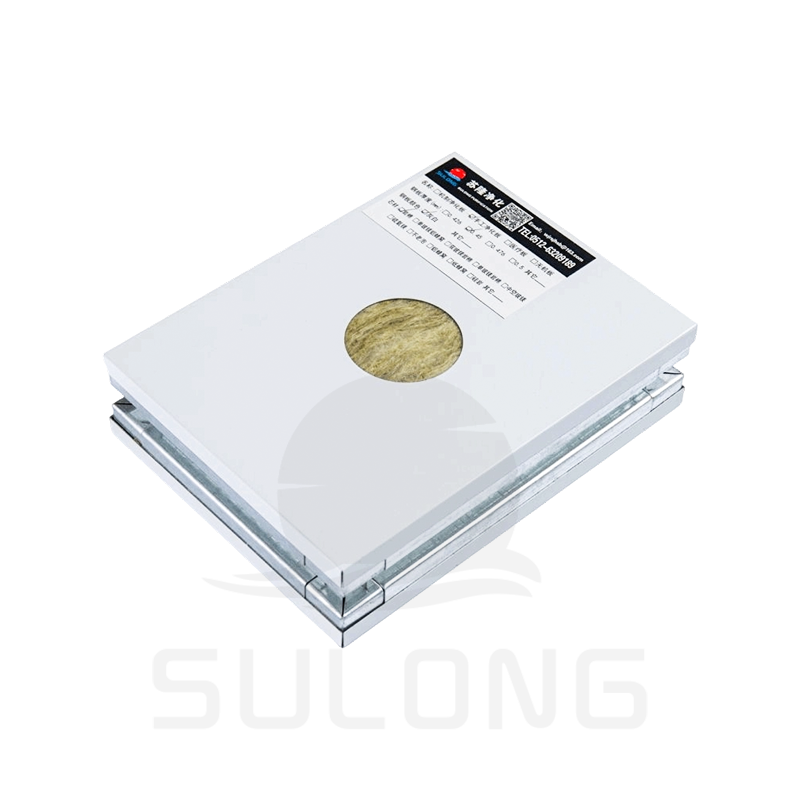
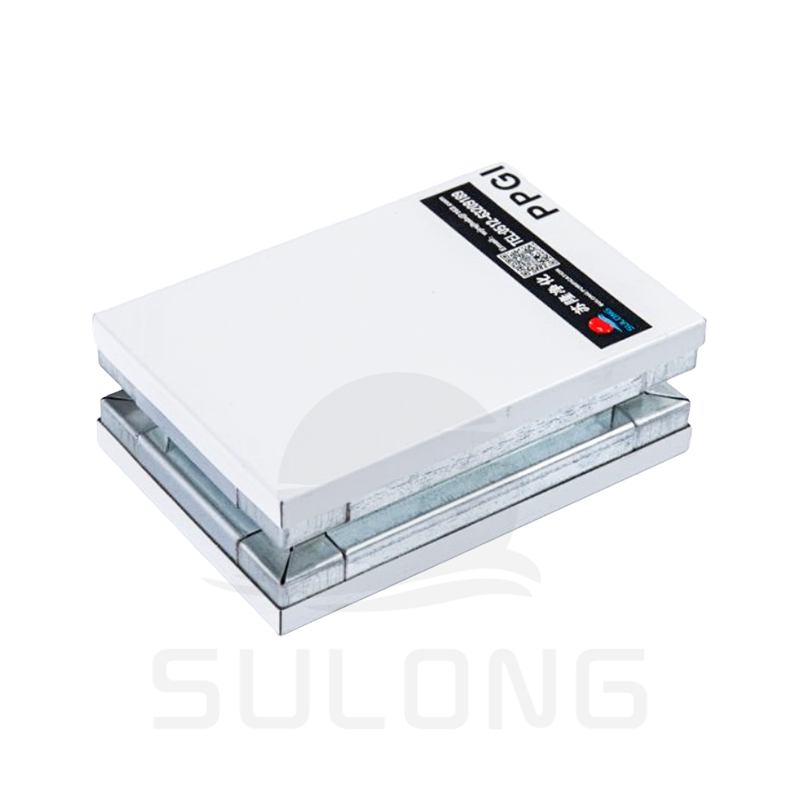
Color-coated (pre-painted) steel combines a zinc or zinc-aluminum alloy metallic coating with an organic polymer topcoat — typically polyester, PVDF (polyvinylidene fluoride), or HDP (high-durability polyester). The polymer layer provides UV resistance, color retention, and a barrier against mild chemical exposure, while the metallic sublayer provides sacrificial galvanic protection at cut edges and scratches. PVDF coatings, operating at 70% fluoropolymer content, retain color and gloss for 20+ years in outdoor exposure and are the preferred choice for exterior wall applications where aesthetics matter. Polyester coatings are economical and adequate for interior cleanroom or cold-storage wall panels not subject to UV or aggressive cleaning chemistry.
Galvanized Steel Sheets
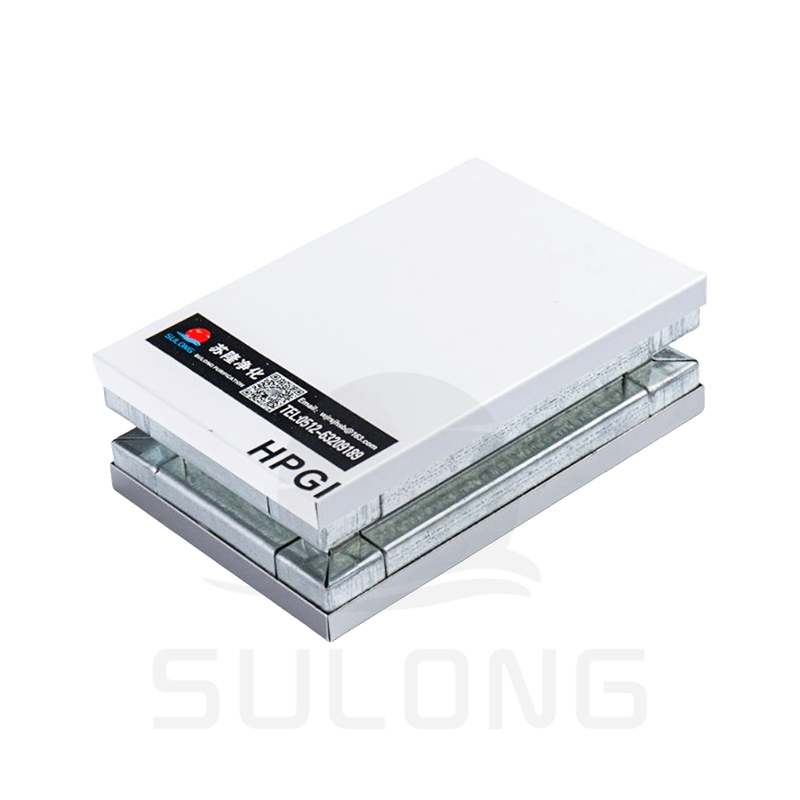
Hot-dip galvanized steel without an organic topcoat is used where a bare metallic finish is acceptable and moderate corrosion resistance is sufficient — utility spaces, agricultural buildings, and secondary wall systems. The zinc coating thickness (expressed as coating mass in g/m², commonly Z275 meaning 275 g/m² total both sides) directly determines service life in corrosive environments. Z275 performs adequately in C2–C3 corrosivity categories per ISO 9223 but is insufficient for C4 environments such as coastal facilities or chemical process areas without additional protection.
Stainless Steel Sheets
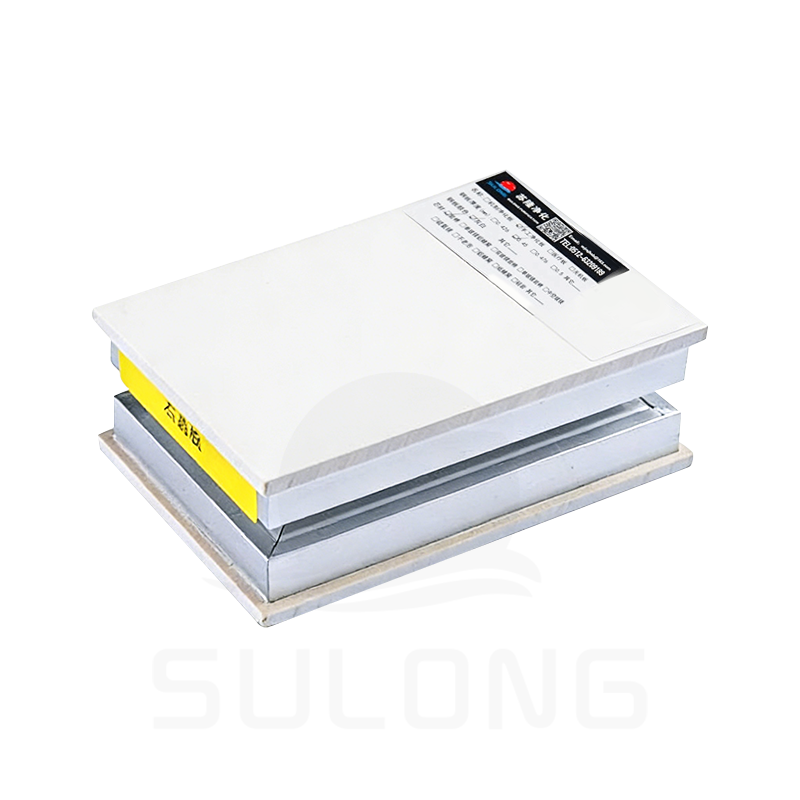
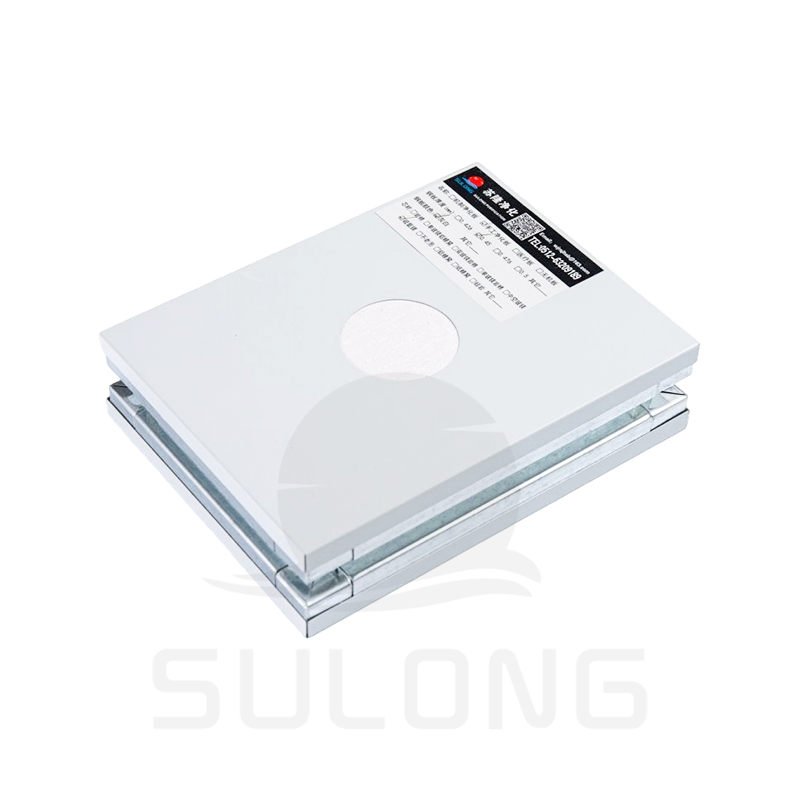
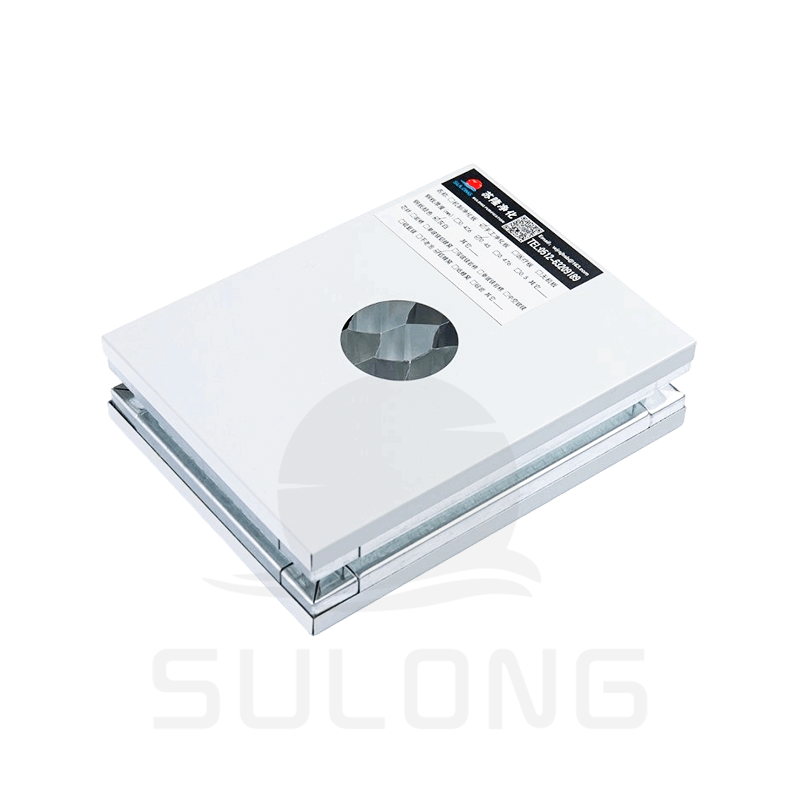
Grade 304 stainless steel is specified where frequent aggressive chemical cleaning, wet process exposure, or regulatory hygiene requirements apply — pharmaceutical cleanrooms, hospital operating theaters, food-grade production lines. Grade 316 stainless, with its molybdenum addition, is required where chloride exposure is frequent (coastal environments, chlorine-based sanitizer use). Stainless steel face panels carry a significant cost premium but eliminate corrosion as a maintenance variable entirely, and their non-porous, electropolished or #4 brushed surfaces meet the surface roughness requirements of GMP and HACCP compliance frameworks. Our handmade rockwool sandwich panels support all three face sheet options, allowing the specification to be precisely matched to the environment without over-engineering or under-specifying.
Cold-Drawn Aluminum Alloy Frame vs. Iron Keel Frame: Structural and Corrosion Implications
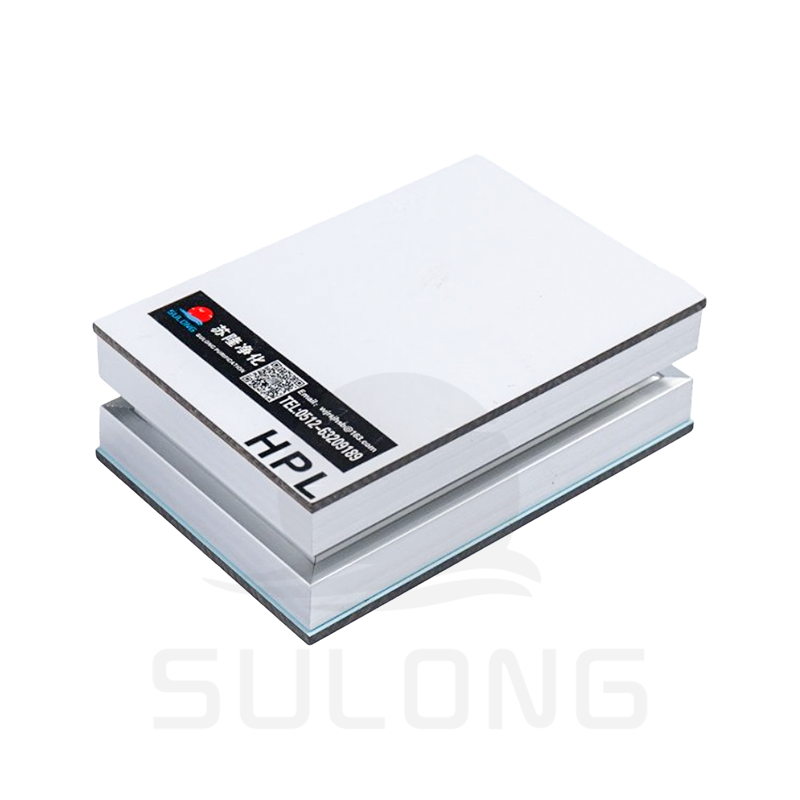
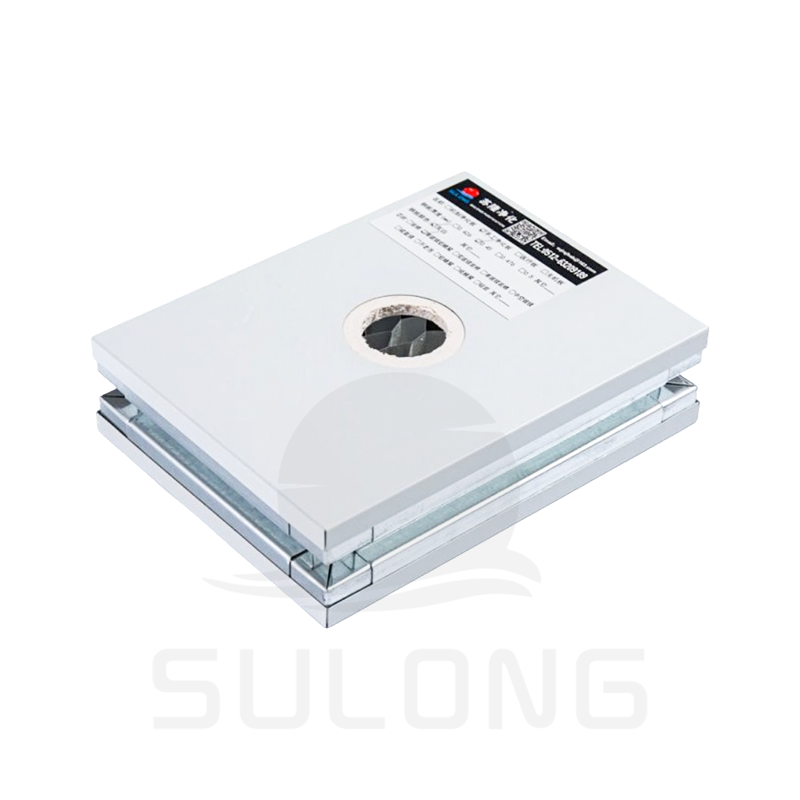
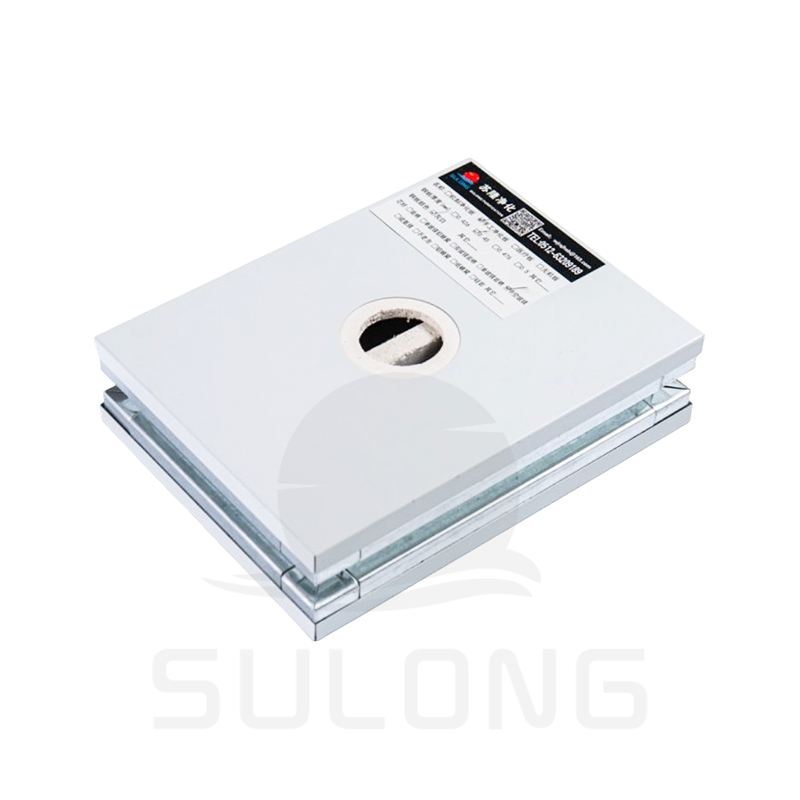
The perimeter framing system of a handmade sandwich panel serves multiple functions simultaneously: it seals the rockwool core from edge moisture ingress, provides a mechanical fixing surface for panel-to-structure connections, and contributes to the panel's edge rigidity under lateral loads. The choice between cold-drawn aluminum alloy and iron keel framing affects all three of these functions and should be made deliberately rather than defaulted to on cost alone.
| Property | Cold-Drawn Aluminum Alloy Frame | Iron Keel Frame |
| Corrosion Resistance | Excellent — natural oxide layer, no paint required | Moderate — requires coating; prone to edge rust if damaged |
| Weight | ~2.7 g/cm³ — significantly lighter | ~7.8 g/cm³ — heavier, adds panel dead load |
| Thermal Bridge Risk | Higher conductivity (160 W/m·K) — needs thermal break | Lower conductivity (50 W/m·K) — reduced bridge effect |
| Dimensional Precision | High — cold-drawing produces tight tolerances | Moderate — roll-formed keels may vary more |
| Typical Application | Cleanrooms, food facilities, humid environments | General construction, dry interior partitions |
One underappreciated issue with aluminum framing is the thermal bridging risk at panel perimeters. Aluminum's high thermal conductivity can create localized cold spots at panel edges in refrigerated or climate-controlled environments, potentially leading to condensation and associated corrosion or mold issues. Inserting a polyamide or EPDM thermal break strip between the aluminum frame and the adjacent structure addresses this effectively without compromising the frame's dimensional or corrosion advantages.
Understanding the Fire Resistance Mechanism of Rockwool-Core Panels
Rockwool's fire resistance is not simply a matter of being non-combustible — it stems from the material's behavior as a thermal barrier under sustained fire exposure. Basalt and diabase rock, the raw materials for rockwool, melt at temperatures above 1000°C. When a rockwool-core sandwich panel is exposed to fire, the steel face on the fire side heats rapidly and may eventually buckle or fail, but the rockwool core beneath it resists heat transfer by virtue of its low thermal conductivity (approximately 0.033–0.040 W/m·K at ambient) and its ability to maintain structural cohesion at elevated temperatures without shrinking catastrophically or releasing flaming droplets.
The relevant fire performance classifications for sandwich panels in China are governed by GB 8624, which categorizes building materials from A1 (non-combustible) to E (limited combustibility). Rockwool core panels with sufficient density (≥120 kg/m³) and verified with no organic binders in the core achieve A1 classification — the highest tier — enabling their use in buildings where combustible insulation is prohibited by fire code. This includes high-rise buildings above 50 meters, underground facilities, and buildings with specific occupancy classifications where insulation fires have historically driven catastrophic outcomes. Critically, the steel face sheets must also be evaluated as part of the composite assembly, since the panel's fire rating applies to the complete system, not the core material alone.
Our handmade rockwool sandwich panels are manufactured and tested in accordance with national standards, with fire performance documentation available for building permit submissions and third-party inspection requirements.
Thermal Performance Calculations: What Panel Thickness Actually Delivers
Specifying panel thickness based on rule of thumb or budget constraint rather than thermal calculation frequently results in either under-insulation (leading to energy loss and condensation risk) or over-specification (unnecessary cost). The thermal transmittance of a rockwool sandwich panel assembly can be calculated from first principles using the standard steady-state formula, accounting for the core conductivity, face sheet conductivity, and surface resistances. For typical rockwool core panels with λ = 0.036 W/m·K, the approximate U-values at common thicknesses are as follows:
| Panel Core Thickness (mm) | Approx. U-Value (W/m²·K) | Typical Application |
| 50 | 0.68 | Interior partitions, mild climates |
| 75 | 0.46 | General building envelope, moderate climates |
| 100 | 0.35 | Cold-storage antechambers, energy-efficient buildings |
| 150 | 0.23 | Refrigerated warehouses, extreme cold regions |
| 200 | 0.18 | Deep-freeze facilities, passive building standards |
These values assume clean panel faces with no thermal bridging at joints or perimeter frames. In practice, the effective U-value of an installed panel system is 10–20% higher than the center-of-panel value due to framing bridges and joint penetrations. Energy modeling for building compliance submissions should use the whole-assembly thermal transmittance rather than the nominal panel U-value to avoid underestimating heating and cooling loads.
Shock Resistance in Sandwich Panels: What the Specification Actually Tests
The shock resistance claim on sandwich panel specifications is frequently cited but rarely explained in terms of what test method was applied and what failure mode was assessed. For rockwool sandwich panels, shock resistance testing typically evaluates two distinct behaviors: impact resistance of the face sheet surface under concentrated point loads, and the panel assembly's ability to absorb and distribute sudden dynamic loads (e.g., forklift impact against a wall, seismic ground motion, or wind-induced vibration).
Surface impact resistance is measured by a drop-weight test per GB/T 14576 or the equivalent soft-body and hard-body impact tests in EN 14509. A steel-faced panel with 0.5 mm face sheet thickness will dent under a hard-body impact that a 0.6 mm or thicker sheet would resist — this is not a core property but a face sheet specification decision. Thicker steel skins increase impact resistance at the cost of panel weight and material cost. For wall panels subject to forklift or pallet truck traffic, specifying a bump rail or protective curb at floor level is a more cost-effective protection strategy than upspecifying the entire face sheet thickness.
Dynamic load distribution, by contrast, is a function of the composite panel stiffness — the combined bending rigidity of the face sheets acting through the shear-resistant core. A rockwool core with adequate density and face-to-core bond strength distributes impact energy over a larger panel area, reducing peak stress at the point of load application. This is why the bond between rockwool core and steel face — achieved through two-component polyurethane adhesive in high-quality handmade panel production — is as critical to shock resistance as the material properties of either component individually.
Common Installation Errors That Compromise Long-Term Panel Performance
Even panels manufactured to full specification will underperform if installation practices introduce moisture pathways, thermal bridges, or mechanical stress concentrations. The following are the most frequently observed installation errors in field inspections of rockwool sandwich panel systems:
- Unsealed or insufficiently sealed panel joints allowing condensation to wick into the rockwool core, reducing thermal performance and promoting corrosion on the inner face of the steel skins. All longitudinal and transverse joints should be sealed with compatible butyl or EPDM tape before the outer face joint cover is applied, not as a substitute for it.
- Over-tightening of mechanical fasteners, which dimples the steel face and creates a stress concentration point. Self-drilling screws for panel-to-substructure connections should be torqued to the manufacturer's specification using a clutch-limited driver, not driven flush by eye.
- Storing panels flat on unprepared ground before installation, allowing moisture to migrate into cut edges or damaged packaging. Panels should be stored on level bearers at a slight slope for drainage, with packaging intact and ventilated to prevent condensation buildup inside the stack.
- Cutting panels with angle grinders, which generate heat sufficient to anneal the zinc coating at the cut edge and scatter ferrous swarf across the painted face surface. Panel cutting should use cold-cutting methods — nibblers, jigsaws with bimetal blades, or panel saws — followed by immediate swarf removal and edge treatment with zinc-rich paint.
- Omitting the designed clearance gap at panel base details, causing the bottom edge of the panel to sit in standing water. A minimum 10 mm clearance between panel base and finished floor level, protected by a purpose-designed base trim, prevents capillary moisture uptake through the bottom edge seal.
Addressing these points during installation supervision rather than during post-occupancy remediation saves both cost and facility downtime — a principle that applies regardless of which panel system is specified.


