
 Call us :
  Mail us to:


 English
 中文简体
中文简体

Product Knowledge
What "Hollow" Actually Means in Panel Engineering — and Why It's Not a Compromise
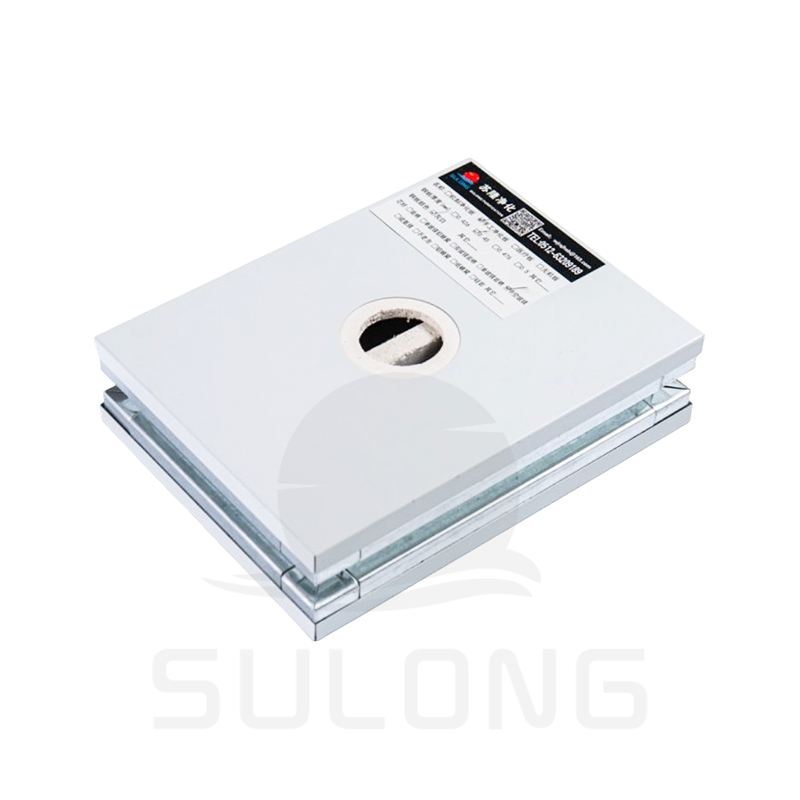
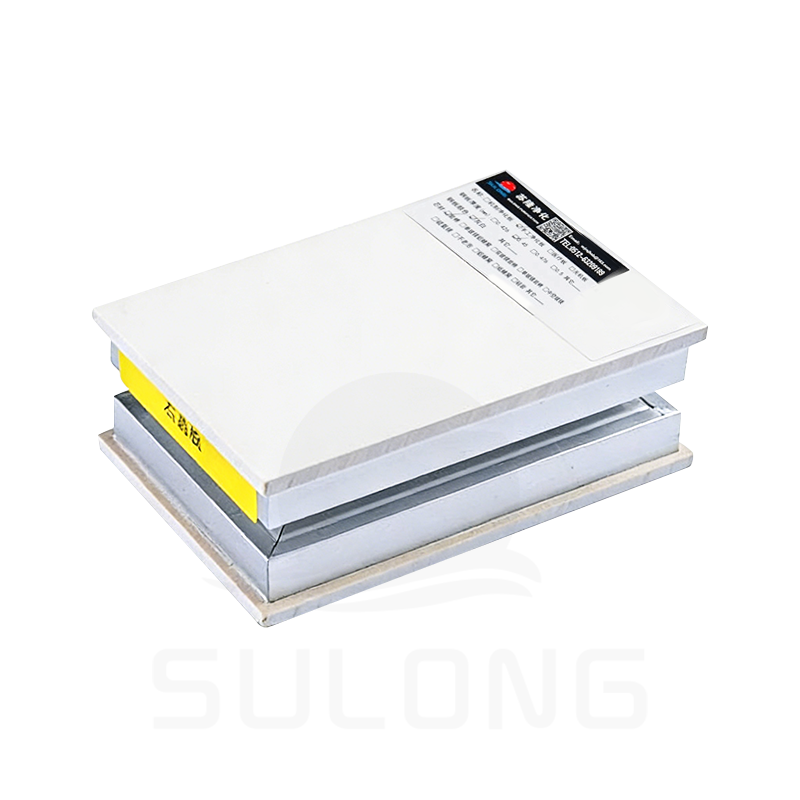
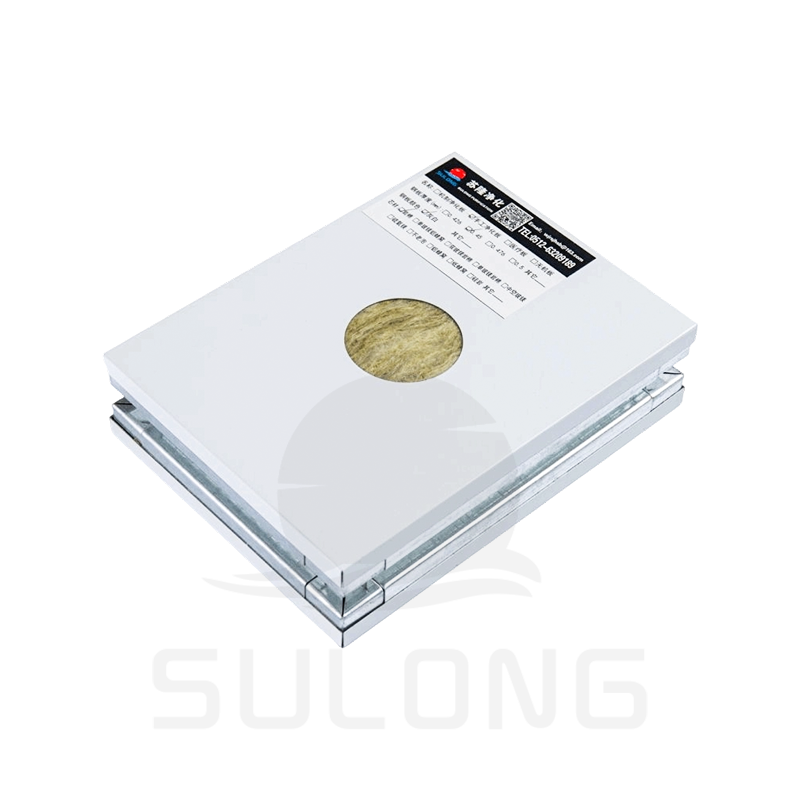
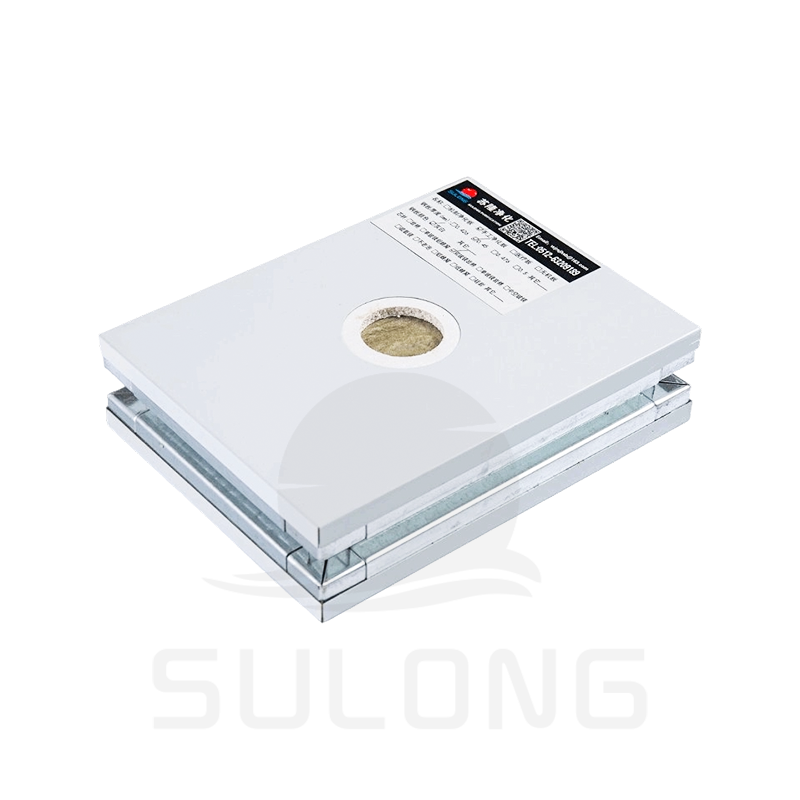
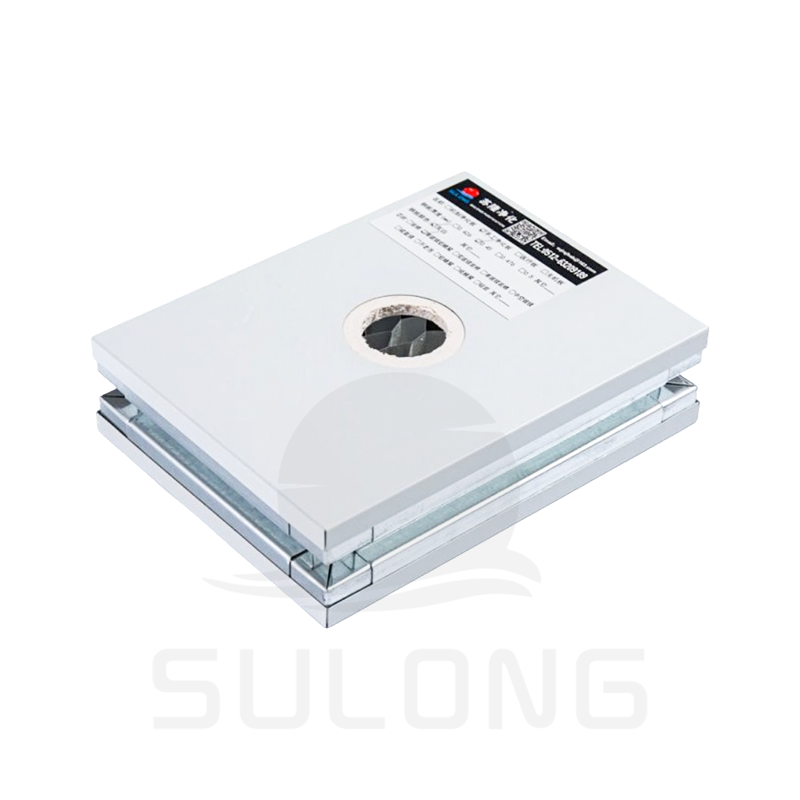
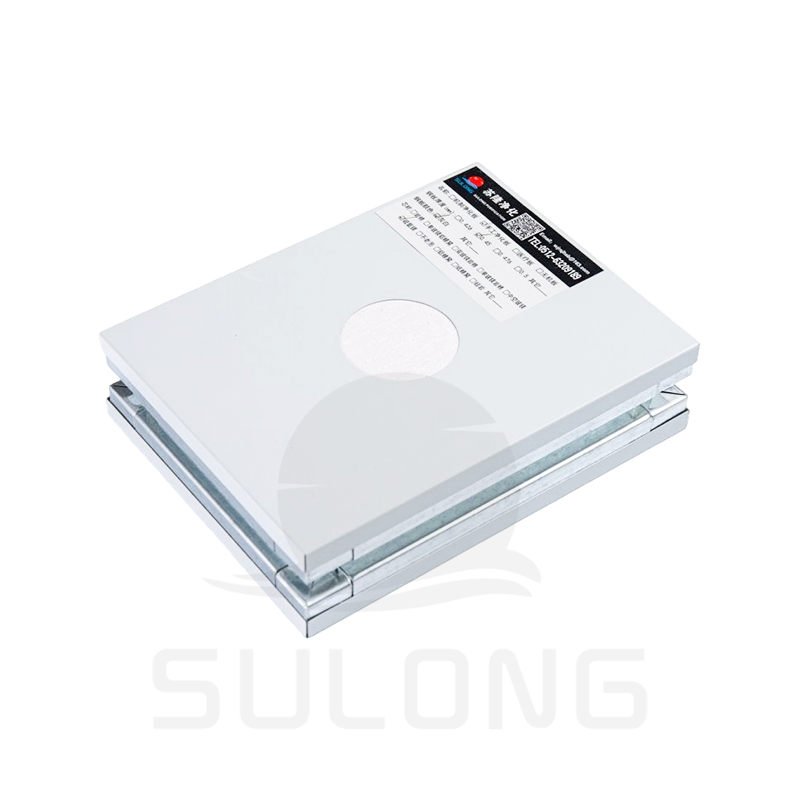
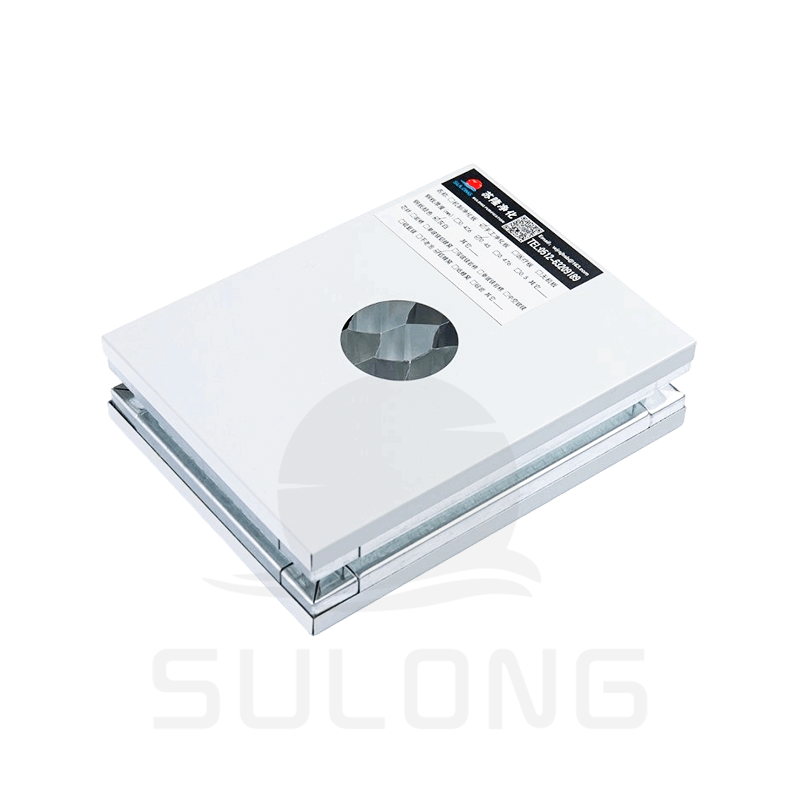
The term "hollow" in hollow glass magnesium panels refers to the air cavity retained between the two face sheets and the MgO board layers, rather than a fully solid or foam-filled core. This is a deliberate engineering choice rather than a cost-reduction measure, and understanding why requires looking at heat and sound transfer mechanisms rather than intuitive assumptions about solidity equaling strength. Still air is one of the most effective thermal insulators available — with a thermal conductivity of approximately 0.024 W/m·K at ambient temperature, it outperforms many solid insulation materials. An enclosed air cavity within a panel assembly traps this still air, preventing convective circulation that would otherwise carry heat from the warm face to the cold face, and creating a thermal resistance contribution that scales with cavity thickness up to approximately 25–30 mm before convection begins to dominate.
Acoustically, the hollow cavity introduces a decoupling effect between the two face sheet assemblies. When a sound wave strikes the outer face sheet, it sets that sheet into vibration; the air cavity allows the two faces to vibrate with different amplitudes and phases, breaking the direct mechanical coupling that would otherwise transmit vibration energy efficiently through a solid core. This mass-air-mass resonance behavior is the same principle exploited in double-glazed windows and cavity wall construction. At frequencies above the panel's resonance frequency — typically in the 100–400 Hz range for common panel formats — the sound transmission loss increases substantially compared to a single-leaf panel of equivalent total mass. For partition walls in offices, hospitals, or commercial buildings where speech intelligibility and privacy are design requirements, this acoustic benefit is practically significant.
Decoding Steel Sheet Coatings: Fluorocarbon, Aluminized Zinc, and Antistatic — What Each Delivers
The steel face sheet coating is the panel's first line of defense against corrosion, UV degradation, chemical exposure, and — in specialized environments — electrostatic charge accumulation. Specifying the correct coating for the operating environment is as important as specifying panel thickness or core material, yet coating selection is often treated as an aesthetic decision rather than a performance one. Each of the four coating types available for our hollow glass magnesium panels addresses a distinct set of exposure conditions.
Color-Coated Steel
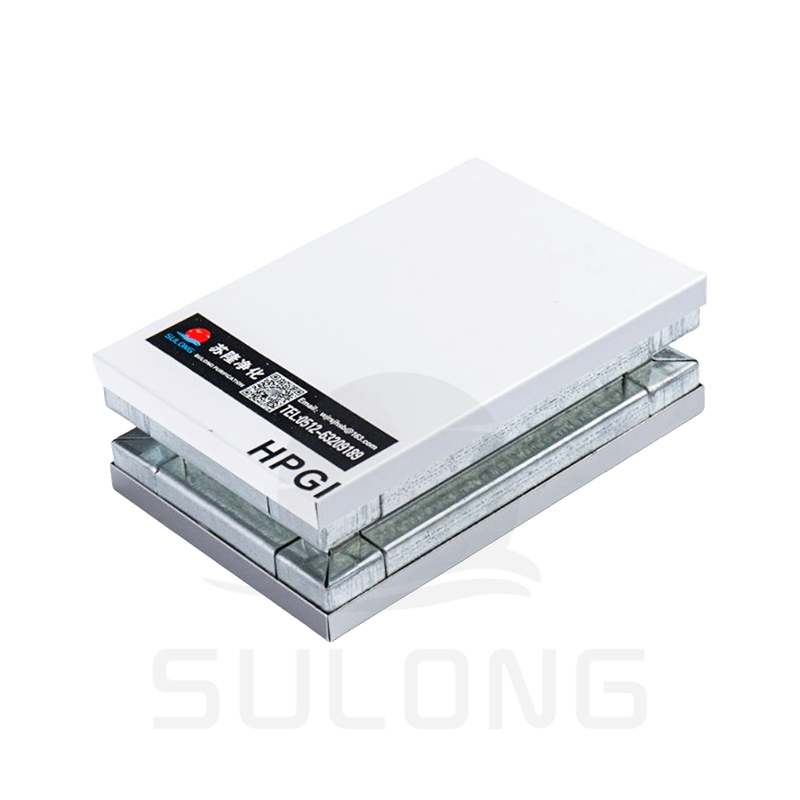
Standard color-coated steel combines a zinc or zinc-aluminum metallic sublayer with a factory-applied organic polymer topcoat, most commonly polyester (PE) or high-durability polyester (HDP). Polyester coatings provide adequate UV resistance and color retention for interior applications and sheltered exterior uses, with service lives of 10–15 years before noticeable chalking under direct sun exposure. HDP formulations extend outdoor performance to 15–20 years. These are the cost-effective baseline choice for general interior partition and wall cladding applications where neither aggressive chemical exposure nor electrostatic sensitivity is a concern.
Fluorocarbon (PVDF) Coated Steel
Polyvinylidene fluoride (PVDF) coatings at 70% fluoropolymer content provide substantially superior UV stability, chemical resistance, and color retention compared to polyester systems. The C–F bond in the fluoropolymer backbone is among the strongest in organic chemistry, giving PVDF coatings exceptional resistance to oxidation, ozone, and most acid or alkali cleaning agents encountered in commercial and light industrial environments. Gloss retention above 50% after 20 years of outdoor exposure is achievable with quality PVDF formulations — a standard that polyester coatings cannot meet. For facade and exterior wall panels, PVDF coating reduces long-term maintenance costs significantly by extending refinishing cycles.
Aluminized Zinc (Galvalume) Steel
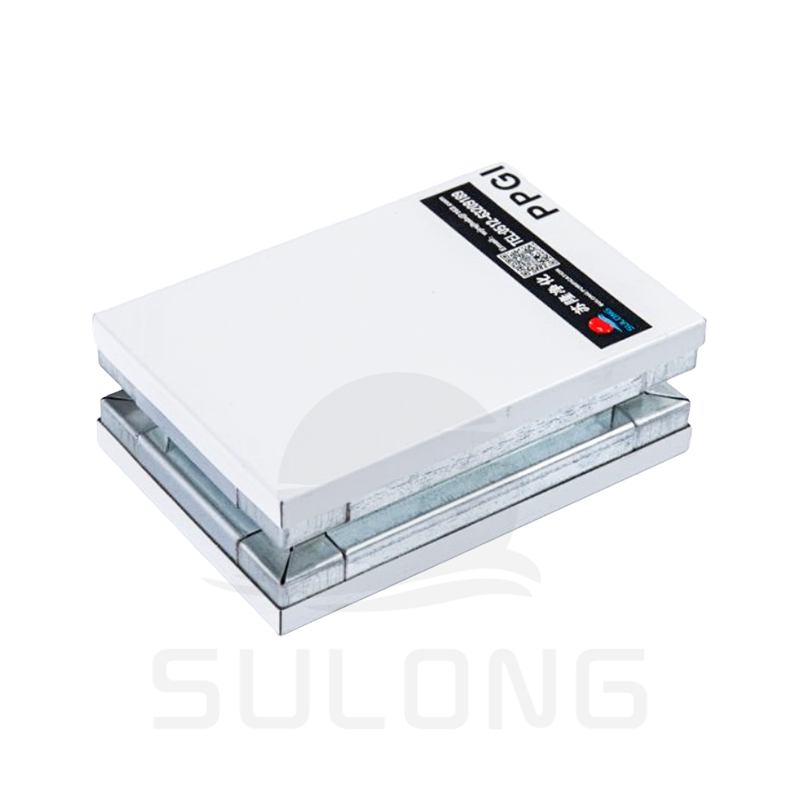
Aluminized zinc steel (commercially known as Galvalume or ZAL) replaces the pure zinc hot-dip coating with a 55% aluminum, 43.5% zinc, 1.5% silicon alloy. The aluminum content provides superior barrier protection at the coating surface — aluminum oxide forms a dense, self-healing passivation layer that slows atmospheric corrosion far more effectively than zinc oxide. The zinc component provides sacrificial galvanic protection at cut edges and coating defects, where bare steel is exposed. The result is a metallic coating with two to four times the corrosion resistance of equivalent-thickness pure zinc coatings in atmospheric exposure tests. Aluminized zinc is particularly well suited for humid environments, coastal installations, and areas subject to condensation, making it the preferred substrate for MgO panels used in food-processing or agricultural building contexts.
Antistatic Steel Sheets
Antistatic coated steel incorporates conductive filler particles — typically carbon black, metal flake, or conductive polymers — within the organic topcoat to achieve a surface resistivity in the range of 10⁵ to 10⁹ Ω/sq, placing it in the electrostatic dissipative (ESD) category. Standard unmodified polymer coatings have surface resistivities above 10¹² Ω/sq and will accumulate triboelectric charge during cleaning or air movement, which can then discharge in millisecond pulses sufficient to damage sensitive microelectronic components or ignite flammable vapor in chemical process areas. Antistatic face sheets eliminate this mechanism and are specified as a requirement — not an option — in semiconductor fabrication facilities, electronic component assembly cleanrooms, and solvent-use areas under ATEX or equivalent hazardous area classification.
Steel Sheet Thickness Selection: What 0.18 mm to 1.2 mm Means for Panel Performance
The available face sheet thickness range of 0.18 mm to 1.2 mm spans a six-fold variation in steel cross-section, with corresponding differences in panel weight, surface rigidity, impact resistance, and acoustic mass. Selecting thickness based solely on cost minimization or on a single performance criterion typically results in panels that underperform in one or more areas that were not prioritized during specification. The following framework maps thickness ranges to performance outcomes:
| Thickness Range | Surface Rigidity | Impact Resistance | Acoustic Mass Contribution | Typical Application |
| 0.18 – 0.30 mm | Low | Low — dents easily | Minimal | Ceiling tiles, low-traffic interior linings |
| 0.30 – 0.50 mm | Moderate | Moderate | Useful contribution above 500 Hz | Standard interior partition walls |
| 0.50 – 0.80 mm | Good | Good — resists light impact | Meaningful across mid-frequencies | Cleanrooms, commercial fit-outs, corridors |
| 0.80 – 1.20 mm | High | High — resists trolley/forklift contact | Significant mass-law benefit | Industrial facilities, high-traffic walls, exterior cladding |
One nuance often overlooked is that very thin face sheets — below 0.30 mm — are prone to oil-canning: a waviness or buckling pattern visible in raking light caused by residual internal stresses in the rolled steel or by differential thermal expansion between the face sheet and the MgO core. While oil-canning does not affect structural performance, it is visually objectionable in high-specification interior environments and difficult to eliminate once panels are installed. Specifying a minimum 0.40 mm face sheet thickness is a straightforward way to reduce this risk for wall panels in visible locations.
Aluminum Alloy Cold-Drawn Frame vs. PVC Frame: Material Science Behind the Choice
The perimeter frame of a hollow MgO panel performs several simultaneous functions: it seals the hollow cavity against moisture and air infiltration, provides the mechanical fixing interface between the panel and the building structure, and contributes to panel edge rigidity under lateral load. The material choice between cold-drawn aluminum alloy and PVC extrusion affects each of these functions differently, and the optimum choice depends on the thermal, chemical, and load environment of the installation.
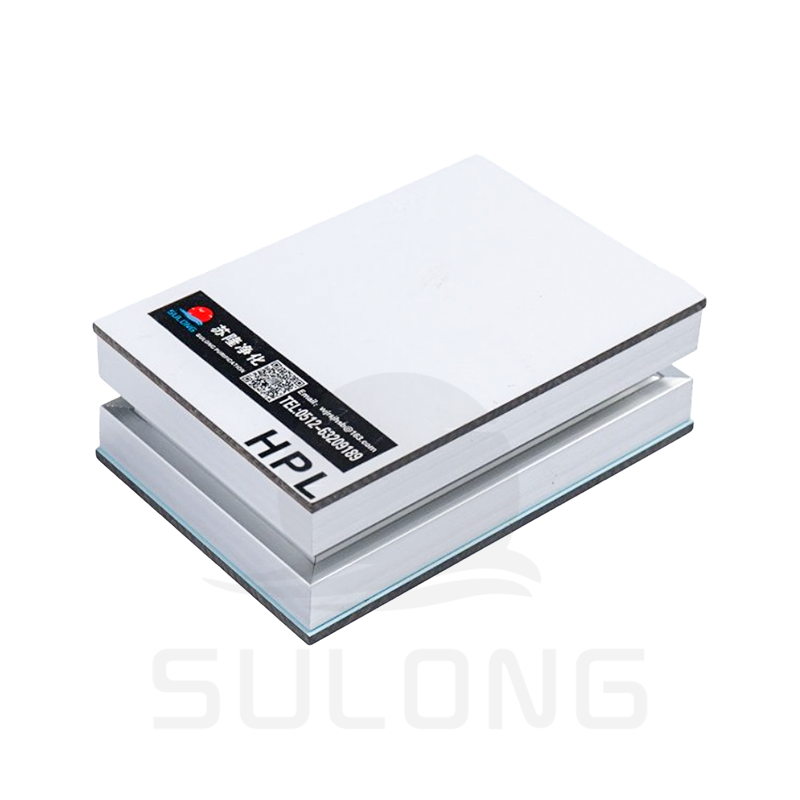
Cold-drawn aluminum alloy profiles — produced by drawing heated billet through a die at controlled speed to achieve precise cross-sectional dimensions — offer a combination of high yield strength (typically 160–270 MPa for 6000-series alloys), natural corrosion resistance through surface oxide formation, and dimensional consistency with tolerances of ±0.1 mm on critical mating surfaces. The cold-drawing process work-hardens the alloy incrementally, increasing strength above the annealed temper without requiring heat treatment. For panel frames that must carry significant shear loads — partitions subject to lateral pressure differentials, door-adjacent panels, or ceiling panels spanning large distances — aluminum's strength-to-weight ratio makes it the technically superior choice.
PVC frames offer a different set of advantages that are genuinely valuable in specific contexts. PVC's thermal conductivity (approximately 0.16 W/m·K) is roughly 1,000 times lower than aluminum's (160 W/m·K), making it a far better thermal break at panel edges in climate-controlled environments. Where panels form the envelope of a cold room, pharmaceutical controlled environment, or insulated building section, aluminum frames conduct heat around the MgO core and create localized cold spots at panel perimeters that cause condensation and reduce the effective thermal performance of the wall system. PVC frames eliminate this thermal bridging mechanism entirely. PVC is also chemically inert to most cleaning agents, including those used in food-processing and pharmaceutical facilities, whereas aluminum may show surface etching under prolonged exposure to strong alkalis or acids without anodizing protection.
Inorganic MgO Board as a Fire Barrier: Mechanisms, Limits, and Code Compliance Context
Magnesium oxide board's fire resistance stems from two independent mechanisms that operate sequentially as temperature rises. The first is non-combustibility: the magnesium oxychloride and magnesium hydroxide phases that constitute the board matrix contain no organic carbon and therefore cannot participate in combustion reactions. This gives MgO board an A1 or A2 non-combustible classification under EN 13501-1 (equivalent to GB 8624 Class A in China), qualifying it for use in building elements where combustible materials are prohibited — high-rise buildings above 50 meters, underground spaces, and building compartmentalization walls required to prevent fire spread between occupancies.
The second mechanism is endothermic dehydration. Bound water within the crystal phases of the MgO board — particularly the hydrated magnesium oxychloride phases — is released as steam when temperature rises above approximately 200–300°C. This phase change absorbs latent heat, slowing the temperature rise of the board and the materials behind it. The dehydration process effectively acts as a heat sink that delays the time at which the cold face of the panel assembly reaches the critical temperature limits used in fire resistance classification (140°C average rise, 180°C peak rise above ambient on the unexposed face). The total water content of the board — typically 8–14% by mass for quality MgO formulations — determines the magnitude of this heat absorption effect and is therefore a meaningful quality parameter, not merely a moisture content specification.
It is important to understand what MgO board's non-combustibility does and does not guarantee in terms of regulatory compliance. Non-combustibility (fire reaction) and fire resistance duration (fire resistance) are separately assessed properties. A panel assembly using non-combustible MgO board will meet fire reaction requirements, but achieving a rated fire resistance duration of EI30, EI60, or EI90 requires furnace testing of the specific panel construction — including face sheet type and thickness, frame material, edge sealing detail, and fixing method — against the relevant standard. Specifying non-combustible components does not automatically confer a fire resistance rating on the assembly, and project specifications that require fire-rated partitions must reference test evidence for the complete panel system rather than individual material classifications.
Moisture Management in Hollow Panel Cavities: Condensation Risk and Mitigation
The hollow air cavity in a glass magnesium panel introduces a condensation risk that does not exist in solid-core systems: if warm, humid air from the building interior reaches the cavity and contacts the cold inner face of the exterior-side steel sheet, water vapor will condense on that surface. Over time, this condensation accumulates, promotes corrosion of the steel face sheet from its interior surface — where protective coatings are typically thinner or absent — and can migrate into the MgO board edges, potentially triggering chloride migration and accelerated deterioration. Managing this risk requires attention to both the panel design and the installation detailing.
The fundamental control measure is vapor diffusion resistance at the warm face. If the interior-facing steel sheet and its joints present a sufficiently high resistance to water vapor diffusion, the dew-point condition will never be reached within the cavity regardless of the temperature differential across the panel. Steel sheet itself is essentially impermeable to vapor, but joints, penetrations, and frame interfaces are not. Continuous sealant application at all perimeter joints — including between the frame and both face sheets — using a vapor-resistant sealant such as polyurethane or modified silicone is essential. Any gap in the sealant line creates a vapor pathway that progressively wets the cavity over heating seasons.
- In climate-controlled buildings where panels form the exterior or semi-exterior envelope, a vapor barrier should be specified on the warm side of the panel assembly — typically at the interior face — and all service penetrations through panels should be sealed with compressible foam collars and sealant beads to maintain vapor continuity.
- Panels installed in high-humidity interiors — laundries, pool enclosures, food-processing wet areas — should use aluminized zinc or stainless steel face sheets rather than standard color-coated steel, since corrosion protection on the cavity-facing surface must compensate for the elevated moisture exposure that standard coating systems were not designed for.
- Base details where panels meet floor slabs are particularly vulnerable to moisture ingress through capillary action; a minimum 10 mm clearance between panel base and finished floor level, protected by a purpose-designed base trim with a drip edge, prevents standing water from contacting the panel edge and wicking into the frame-to-core interface.
- If panels are to be used in environments with frequent temperature cycling — refrigerated areas transitioning to ambient, or industrial spaces with intermittent process heat — the expansion differential between steel face sheets and MgO board should be accommodated by flexible sealant at panel joints rather than rigid caulk, which will crack under repeated thermal movement and open vapor pathways.
Installation Sequencing and Tolerance Management for Large-Format Panel Arrays
Large-footprint panel installations — cleanrooms, industrial plants, or commercial fit-outs involving hundreds of panels — introduce tolerance accumulation challenges that single-panel specifications do not reveal. Each panel carries a manufacturing tolerance, the substrate carries a construction tolerance, and the fixing system introduces an installation tolerance; these compound across a run of panels and, if not managed, produce visible misalignment at panel joints, out-of-plumb wall faces, and door frame geometry errors that are expensive to correct after panels are fixed in place.
The most effective tolerance management strategy is to establish a dimensional control baseline before the first panel is installed, rather than attempting to correct accumulated error panel-by-panel. Setting out reference lines for panel faces, joint centers, and floor track positions using a laser level to the specified tolerances — typically ±2 mm on face planarity over a 2 m straight edge for cleanroom applications — before any panels are erected allows the installation team to identify and correct substrate irregularities (high spots in the slab, bowed steel columns, oversize concrete walls) before they become panel alignment problems. Our hollow glass magnesium panels are fabricated to project-specific dimensions with consistent frame profiles, enabling tight joint registration when the substrate preparation has been properly completed.
Panel installation sequence in multi-room or corridor-intersecting layouts should proceed from the most constrained fixed point — typically a door frame or structural column — outward toward free ends or expansion joints where minor dimensional accumulation can be absorbed. Installing from two ends toward a center almost always produces a closure panel that does not fit without field modification. Maintaining a running dimensional check every five to six panels and correcting any accumulated error by adjusting joint widths within the allowable range (typically ±1 mm per joint for standard installations) prevents large corrections from becoming necessary at late-stage panels where the surrounding construction limits adjustment options.


