
2026-04-16
Content
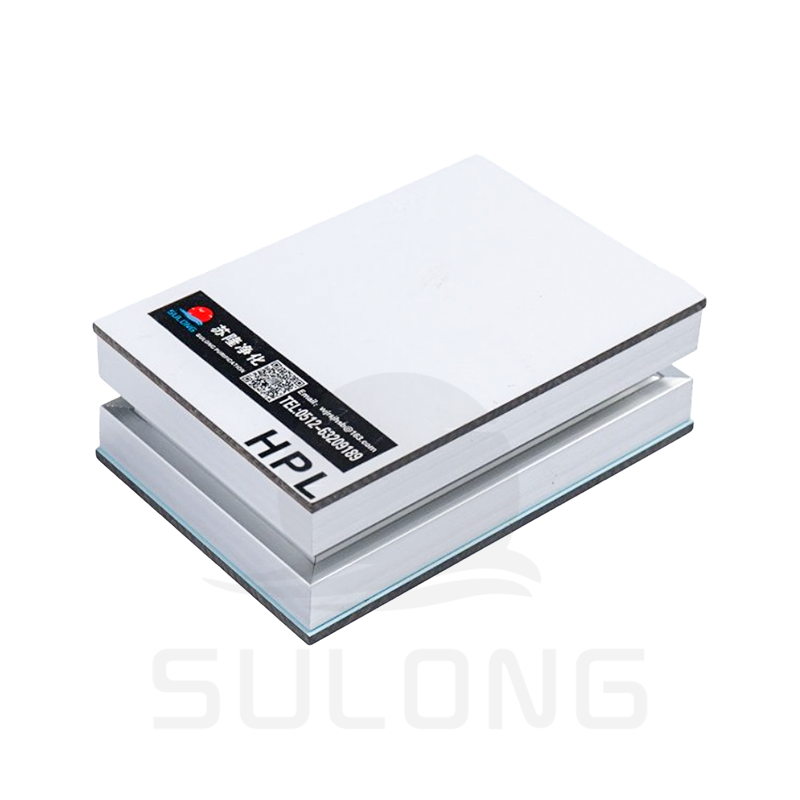
In 2026, the pharmaceutical manufacturing sector across Asia is undergoing a major transformation, driven by stringent regulatory upgrades and increasing global demand for high-quality drug production. Countries such as China, India, South Korea, and those in Southeast Asia are witnessing a surge in GMP (Good Manufacturing Practice) facility renovations. This wave of upgrades has significantly increased demand for custom handmade cleanroom sandwich panels, particularly in retrofit projects where standard panel solutions are insufficient.
Unlike new construction projects, many pharmaceutical manufacturers are upgrading existing facilities that were built under older standards. These structures often have irregular dimensions and layout constraints, making it necessary to use handmade panels that can be customized precisely. As a result, manufacturers capable of delivering flexible, high-quality panel systems are experiencing strong growth in orders across the region.
The primary driver behind this demand surge is the tightening of pharmaceutical regulations globally. Regulatory agencies such as the US FDA, EMA, and regional health authorities are enforcing stricter compliance standards, particularly in sterile production environments. In China, updated GMP guidelines aligned with ICH Q10 standards are pushing manufacturers to modernize their production facilities.
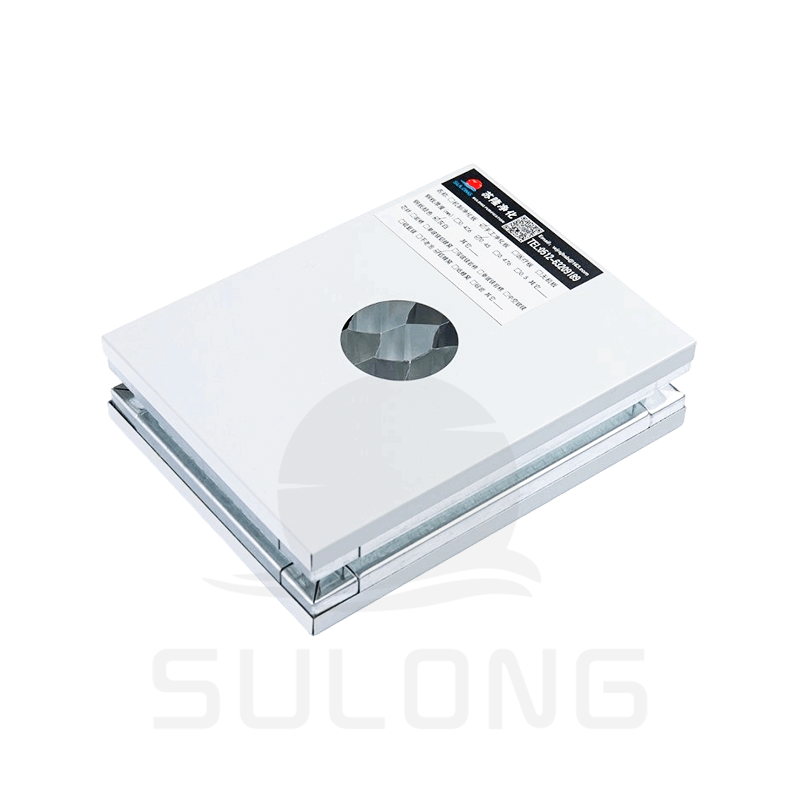
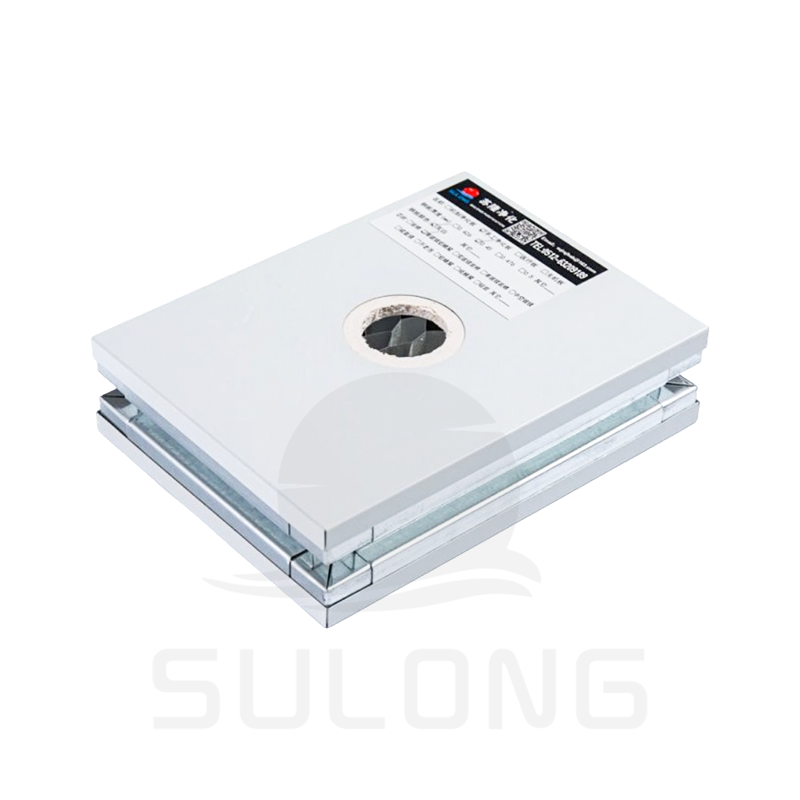
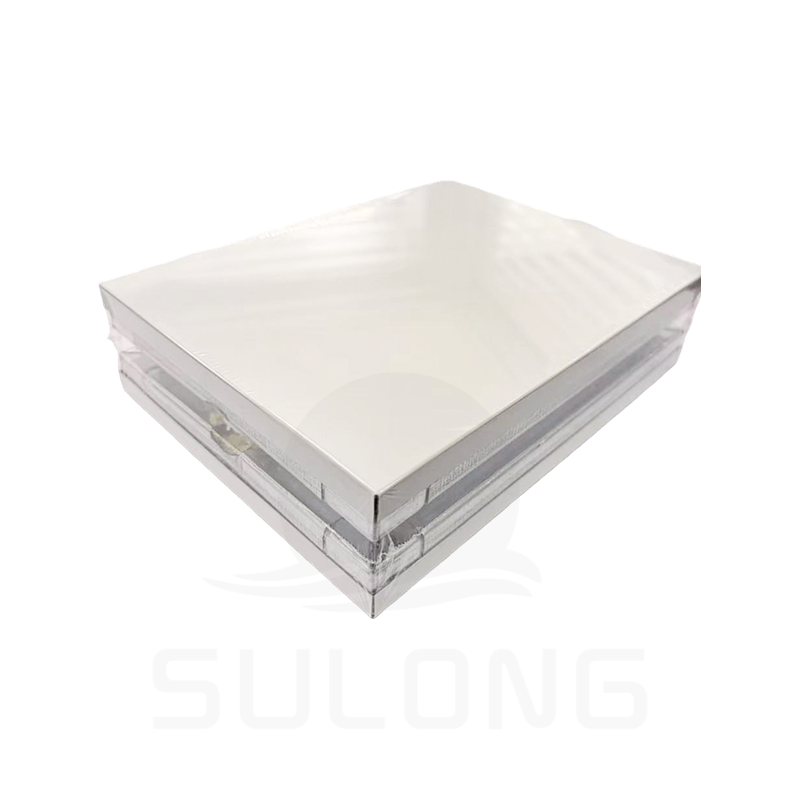
These regulatory frameworks require cleanroom environments that ensure contamination control, structural integrity, and long-term durability. Older color-coated steel panel systems are increasingly being replaced with advanced materials such as rockwool and glass magnesium sandwich panels, which offer superior fire resistance, strength, and compliance performance.
China remains one of the largest markets for cleanroom panel demand, particularly due to its extensive pharmaceutical manufacturing base. The shift toward higher GMP standards has resulted in widespread retrofitting of existing facilities. These projects often involve complex layouts where standard panel sizes cannot be applied effectively.
Handmade cleanroom panels provide the necessary flexibility, allowing manufacturers to produce panels in customized dimensions that fit existing structures precisely. This reduces installation challenges and ensures compliance with updated standards without requiring complete structural reconstruction.
India’s pharmaceutical industry is another key contributor to the growing demand for handmade cleanroom panels. As one of the largest exporters of generic drugs globally, Indian manufacturers must meet strict compliance requirements set by international regulatory bodies such as the WHO and USFDA.
To maintain export competitiveness, many Indian companies are upgrading their facilities to meet GMP standards. Handmade rockwool and glass magnesium panels are widely used in these upgrades due to their ability to meet fire safety, hygiene, and durability requirements while accommodating complex facility layouts.
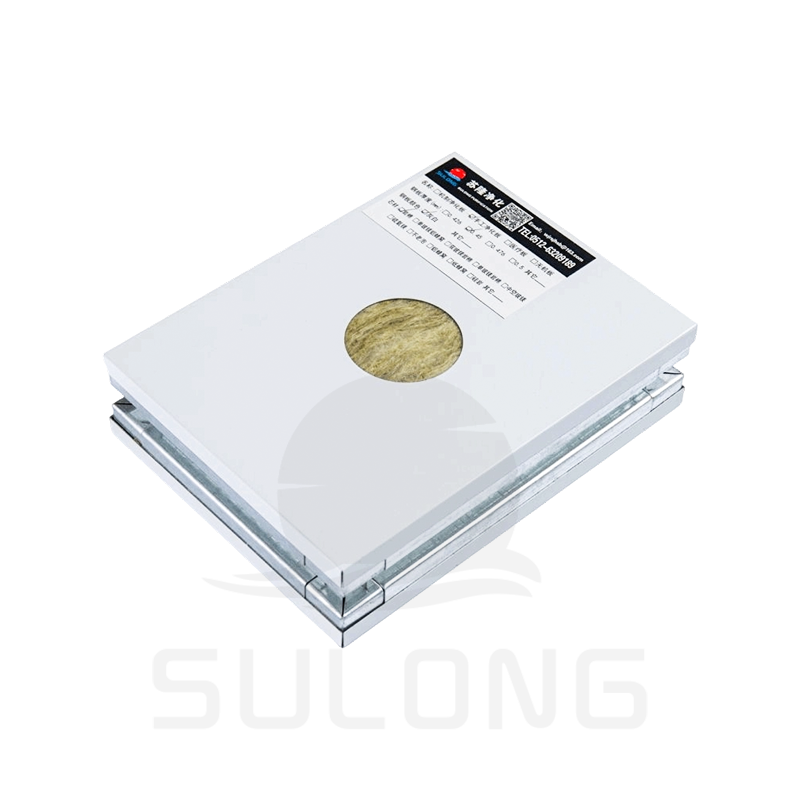
The Yangtze River Delta region in China, including Suzhou, Shanghai, and Nanjing, has emerged as a major production hub for handmade cleanroom panels. Manufacturers in this region benefit from advanced production capabilities, experienced labor, and efficient supply chains.
These advantages enable suppliers to deliver customized panels with short lead times and competitive pricing. As a result, they are increasingly supplying not only domestic pharmaceutical projects but also export markets, particularly in Southeast Asia where pharmaceutical manufacturing capacity is expanding rapidly.
| Material Type | Key Features | Application |
| Rockwool Panel | Fire-resistant, thermal insulation | High-risk pharmaceutical areas |
| Glass Magnesium Panel | Moisture-resistant, durable | Cleanroom wall systems |
Looking ahead, the demand for handmade cleanroom panels is expected to remain strong as global pharmaceutical manufacturing continues to localize. Governments worldwide are investing in domestic drug production capabilities to reduce reliance on international supply chains.
This trend, accelerated by disruptions during the COVID-19 pandemic, is driving sustained investment in cleanroom infrastructure. As retrofit projects remain a key part of this development, the need for flexible, custom panel solutions will continue to grow.
The surge in GMP facility upgrades across Asia is reshaping the cleanroom panel market, with handmade sandwich panels emerging as a critical solution for retrofit projects. Their flexibility, performance, and compliance capabilities make them indispensable in modern pharmaceutical manufacturing environments.
As regulatory standards continue to evolve and global demand for pharmaceuticals increases, manufacturers that can deliver high-quality, customized cleanroom panels will be well-positioned to capture long-term growth opportunities in this expanding market.

Follow Us:
 Call us :
  Mail us to:


 English
 中文简体
中文简体