
 Call us :
  Mail us to:


 English
 中文简体
中文简体

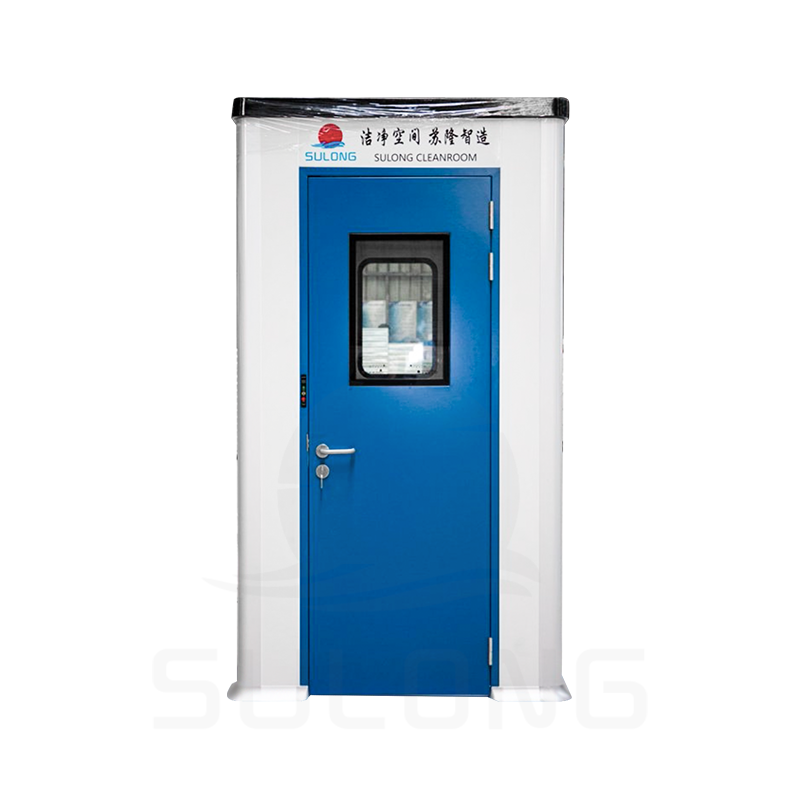
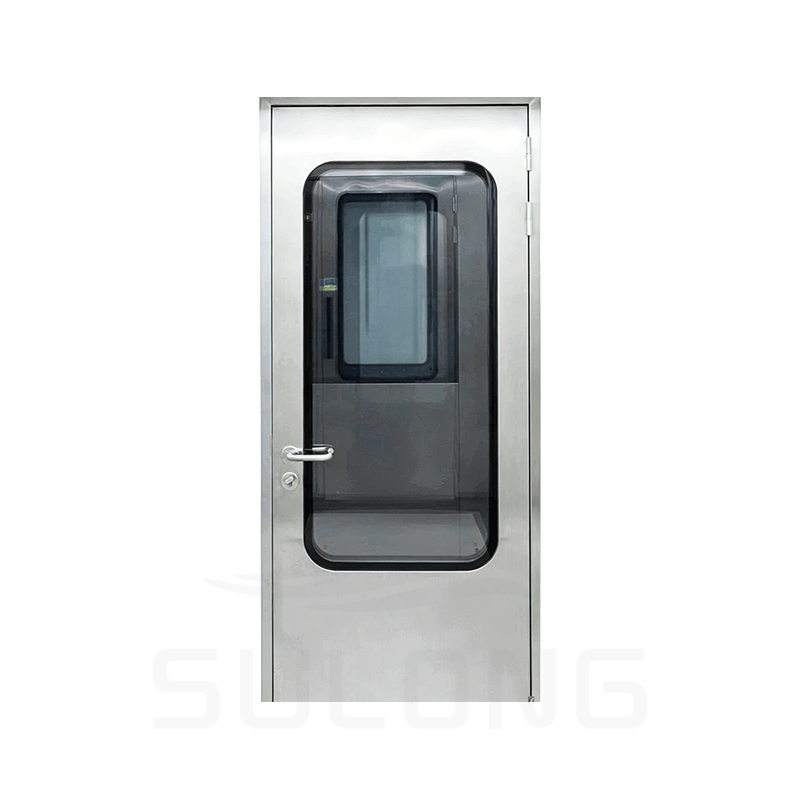
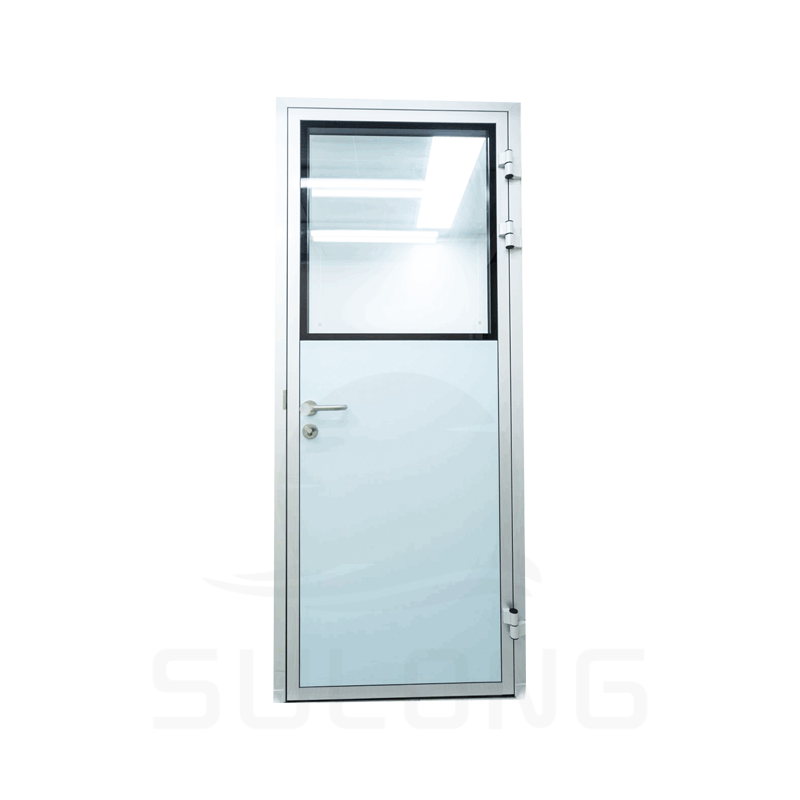
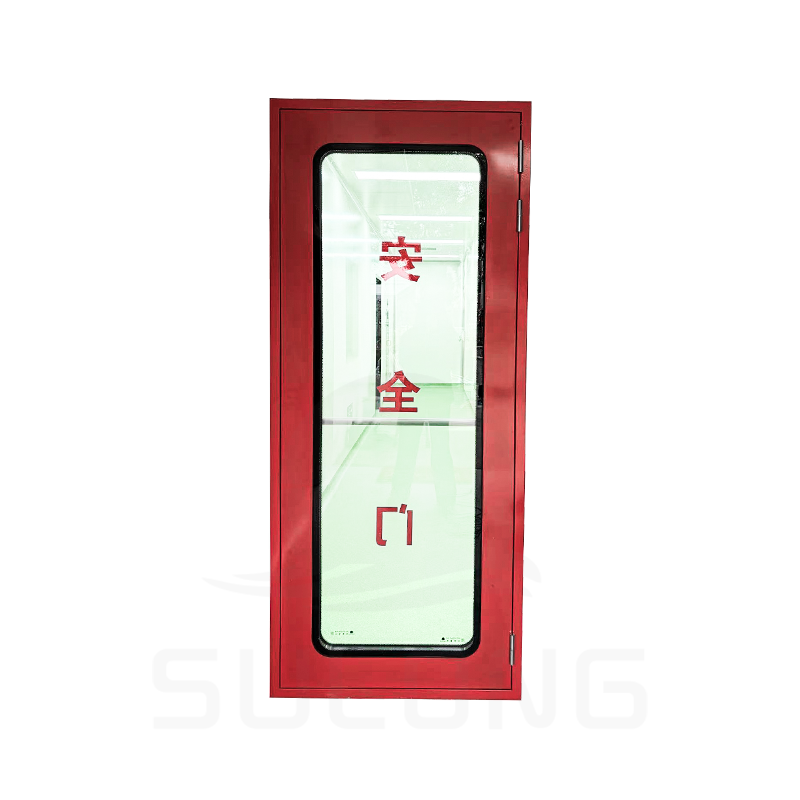

Selecting the Right Cleanroom Door Type for Traffic and Contamination Requirements
The three primary cleanroom door configurations — swing, sliding, and fast roll-up — are not interchangeable. Each addresses a distinct operational profile, and specifying the wrong type for a given access point creates persistent contamination risks or workflow bottlenecks that no amount of procedural control can fully compensate for. Understanding the mechanical and aerodynamic behavior of each type under real operating conditions is essential before committing to a configuration.
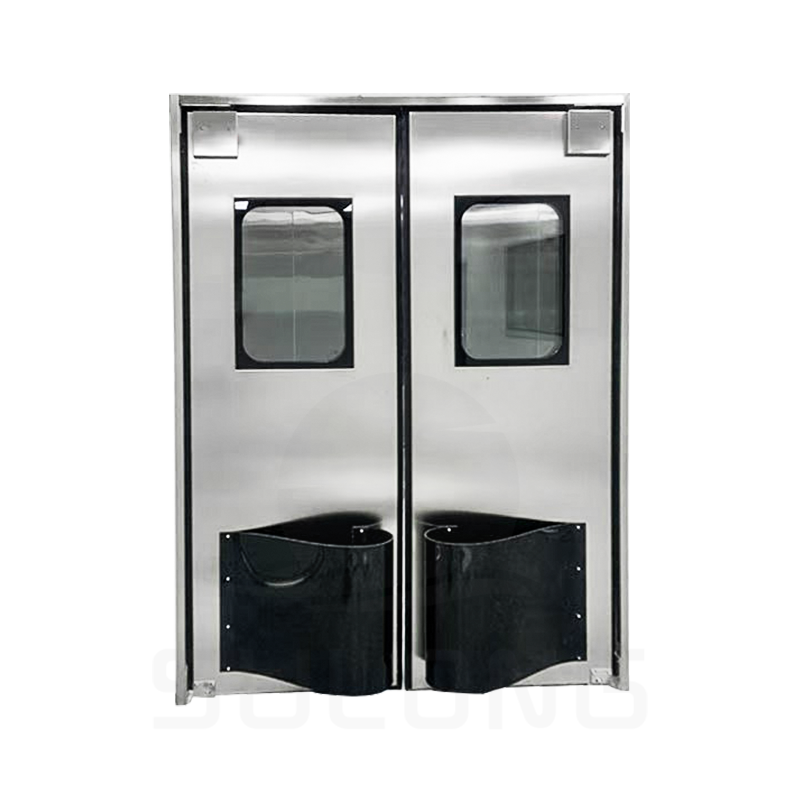
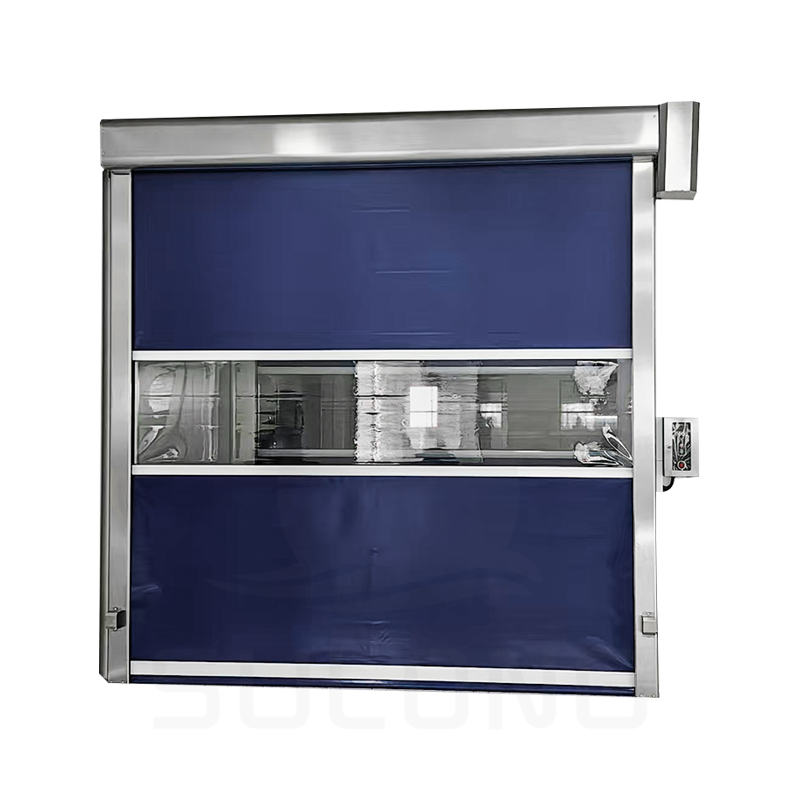
Swing doors are the most common choice for personnel access points with moderate traffic frequency. Their main contamination risk is the piston effect: as the door leaf swings open, it displaces a volume of air that creates a momentary pressure disturbance capable of carrying particles across the threshold in either direction. This effect is proportional to door size and swing speed. In ISO Class 6 and cleaner environments, swing doors should always open into the higher-pressure zone so that the net airflow direction counteracts particle migration. Fast roll-up doors, by contrast, retract vertically and generate virtually no lateral air displacement, making them well suited to equipment transfer zones where large openings are needed briefly and frequently — a common scenario in semiconductor fabs or hospital logistics corridors.
Sliding doors save floor swing clearance, which is a practical advantage in corridors with trolley or cart traffic, but their sealing performance depends critically on the quality of the perimeter gasket system and the precision of the door track. A sliding door that develops even a 1–2 mm gap at the leading edge due to track wear or thermal expansion will allow sustained air exchange between zones — far more damaging to contamination control than the brief disturbance of a well-fitted swing door. Facilities that wholesale cleanroom door systems for resale or multi-site installation should pay particular attention to track material specifications and the availability of replacement gasket profiles, since these are the components most likely to require service over a 10–15 year operational life.
Gasket Engineering: The Detail That Determines Airtightness
Tight-sealing gaskets are the most performance-critical component in any cleanroom door or window assembly, yet they receive far less attention during specification than panel materials or glazing configurations. A gasket that compresses correctly under door closing force and maintains its elastic recovery over thousands of open-close cycles is what separates a door that holds its air leakage class year after year from one that begins failing its integrity tests within 18 months of commissioning.
Material Selection by Environment
Silicone gaskets are the standard choice for most pharmaceutical and electronics cleanrooms because silicone maintains its compression set resistance across a wide temperature range (typically –60°C to +200°C) and is compatible with the isopropyl alcohol, hydrogen peroxide, and quaternary ammonium disinfectants used in routine cleaning. EPDM gaskets offer better resistance to ozone and UV exposure, making them more appropriate for cleanrooms with UV sterilization systems operating near doorways. Neoprene should be avoided in cleanrooms where chemical solvents are used, as it degrades in contact with many organic compounds and can become a particle source.
Compression Force and Long-Term Recovery
A gasket's compression set — the permanent deformation that occurs after prolonged compression — determines how its sealing performance changes over time. Low-quality silicone gaskets can exhibit compression set values above 40% after accelerated aging tests, meaning they lose nearly half their elastic recovery and no longer generate adequate contact pressure against the door frame. Specifying gaskets with a compression set below 20% per ISO 815 test conditions is a reasonable baseline requirement. For cleanroom door assemblies in high-cycle access points (more than 200 cycles per day), the gasket profile geometry also matters: hollow D-section profiles distribute compression force more evenly along the contact face than solid square or round profiles, extending service life significantly.
Glazing Configuration and Frame Sealing in Cleanroom Windows
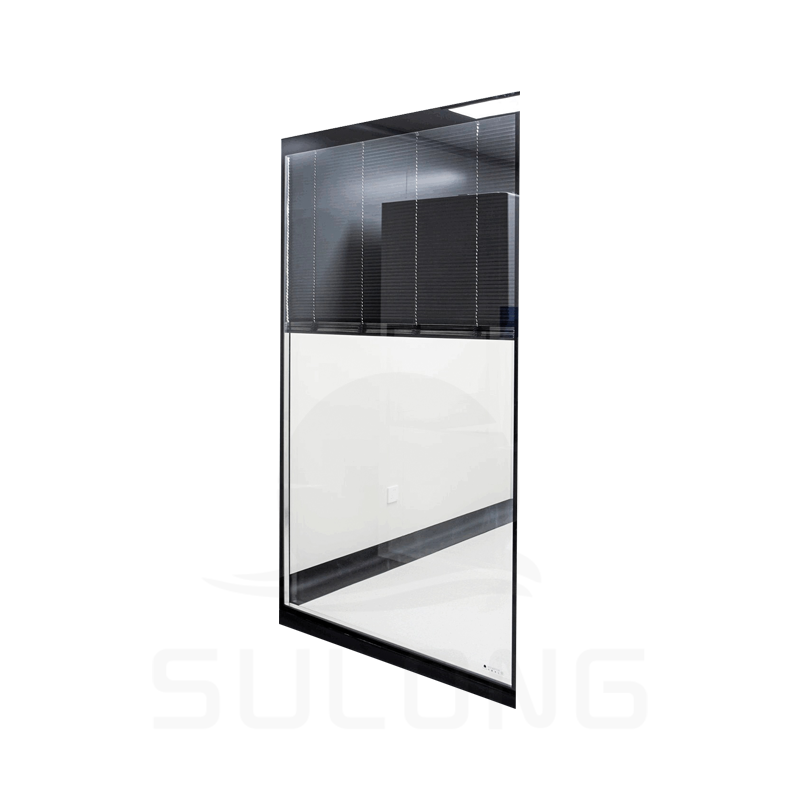
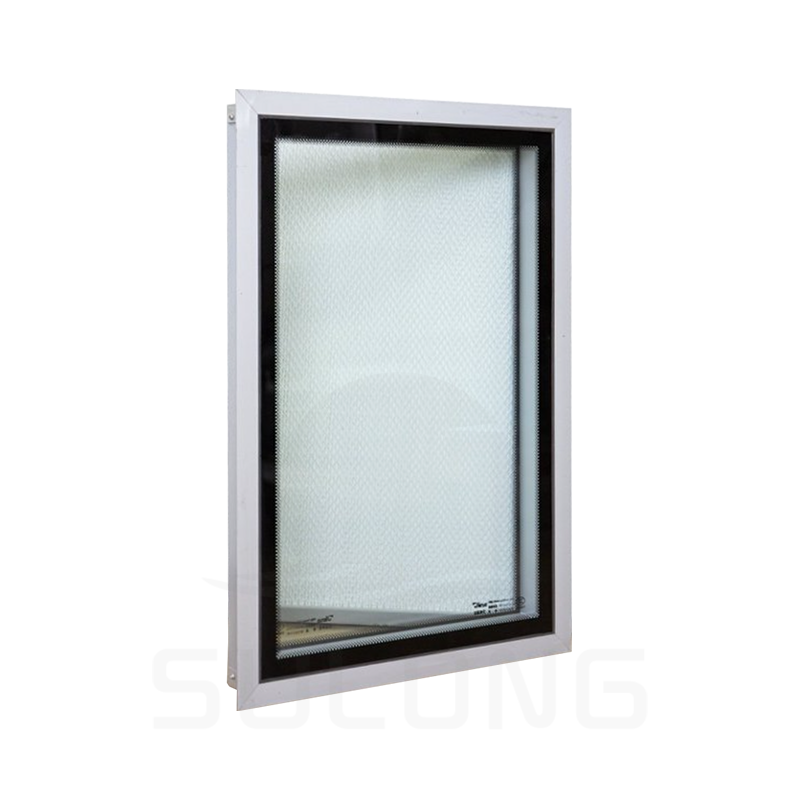
Cleanroom window suppliers offer configurations ranging from single-pane tempered glass to triple-glazed units with low-emissivity coatings, and the appropriate choice depends on the thermal environment of the cleanroom relative to the adjacent space rather than on cleanroom classification alone. A common specification error is selecting double glazing purely because it is standard practice, without verifying whether the thermal bridging through the window frame is consistent with the room's humidity control requirements — condensation on or within a window assembly is one of the few contamination events that is difficult to remediate without full removal and reinstallation.
The insulated glass unit (IGU) in a double or triple-glazed cleanroom window must be hermetically sealed at the factory. Field-assembled glazing units have historically higher rates of seal failure, which leads to inter-pane condensation that cannot be cleaned and progressively obscures the visual monitoring function the window exists to provide. Reputable cleanroom window suppliers produce IGUs with warm-edge spacer bars — typically made from stainless steel or thermoplastic rather than aluminum — which reduce the thermal conductivity at the glass edge and lower the risk of edge condensation in cold-climate installations.
Frame sealing at the wall interface is the other critical detail. The window frame is typically set into a cleanroom panel or wall opening with a continuous bead of neutral-cure silicone sealant at both the interior and exterior perimeters. Acid-cure silicone should not be used in cleanrooms because the acetic acid released during curing can corrode metal components and leave a residue that attracts particulate. After installation, the interior face of the frame and sealant joint should be inspected under raking light to confirm there are no voids or tool marks in the silicone bead, as these are the locations where particle infiltration will occur first under differential pressure cycling.
Procurement Considerations When Sourcing Cleanroom Door and Window Systems at Scale
Facilities that are expanding, constructing multiple cleanroom suites simultaneously, or operating as engineering contractors who wholesale cleanroom door and window assemblies across projects face a distinct set of procurement challenges that differ meaningfully from single-facility purchases. Volume purchasing introduces questions of dimensional consistency across production batches, documentation traceability for validation purposes, and the supplier's capacity to deliver on coordinated schedules without quality degradation.
| Procurement Factor | What to Verify | Risk if Overlooked |
|---|---|---|
| Dimensional Tolerance Control | Panel and frame tolerances held across entire production run (±1.5 mm typical) | Gasket misalignment across multiple units; inconsistent sealing performance site-to-site |
| Material Batch Traceability | Mill certificates for steel/aluminum, gasket compound lot numbers | Cannot trace field failures back to a specific batch; complicates regulatory CAPA investigations |
| Lead Time Stability | Confirmed production capacity reservation for the full order volume | Partial deliveries that delay downstream trades and compress the commissioning schedule |
| Hardware Consistency | Same lock model, hinge specification, and closer across all units in a project | Mixed hardware across a facility creates maintenance complexity and spare parts fragmentation |
| Packaging for Transit | Individual panel protection; gasket profiles covered to prevent compression during stacking | Surface damage or pre-compressed gaskets that fail sealing tests on arrival |
Working with cleanroom window suppliers and door manufacturers who have experience supplying multi-site or high-volume projects is a meaningful differentiator. Suppliers accustomed to single-facility orders often lack the production planning systems needed to maintain quality consistency when output volume doubles or triples. Requesting factory audit access or third-party inspection of production batches before shipment is a reasonable condition for any order that represents a significant share of a project's critical path — and most established suppliers in the pharmaceutical, electronics, and biotechnology supply chains will accommodate this without objection.


