
 Call us :
  Mail us to:


 English
 中文简体
中文简体

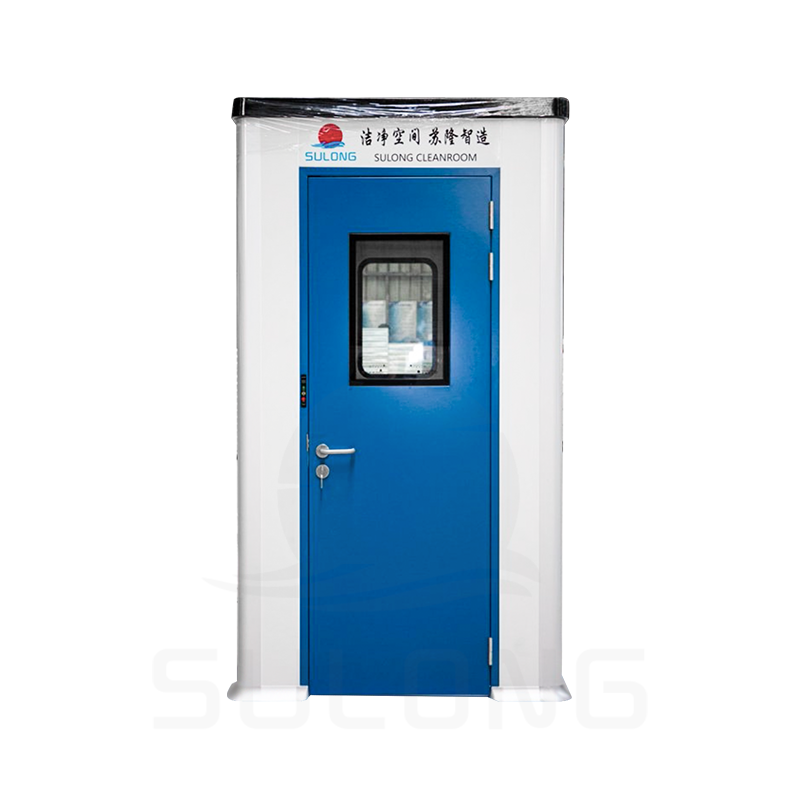
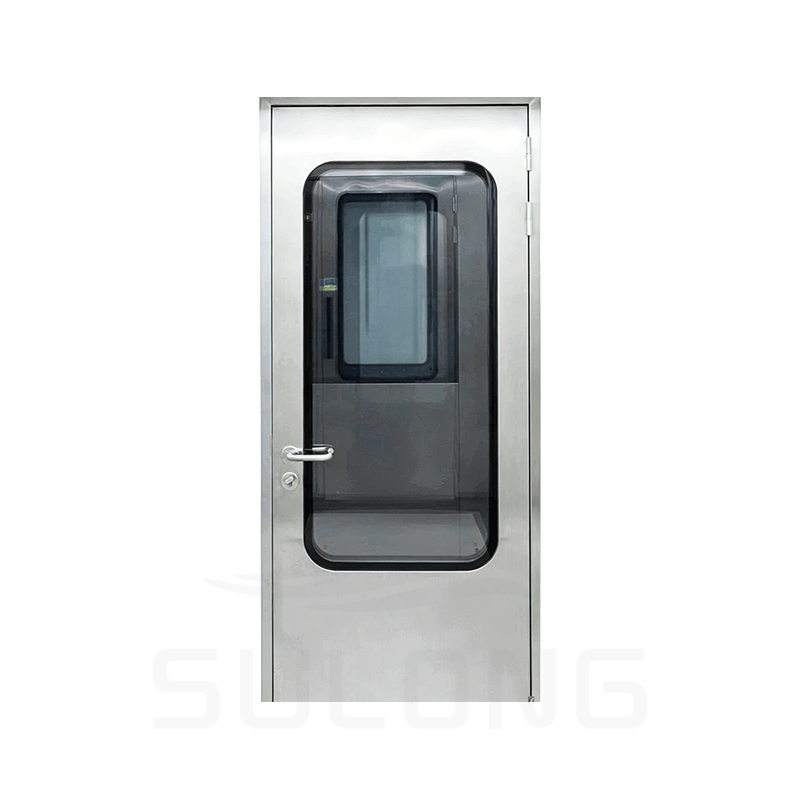
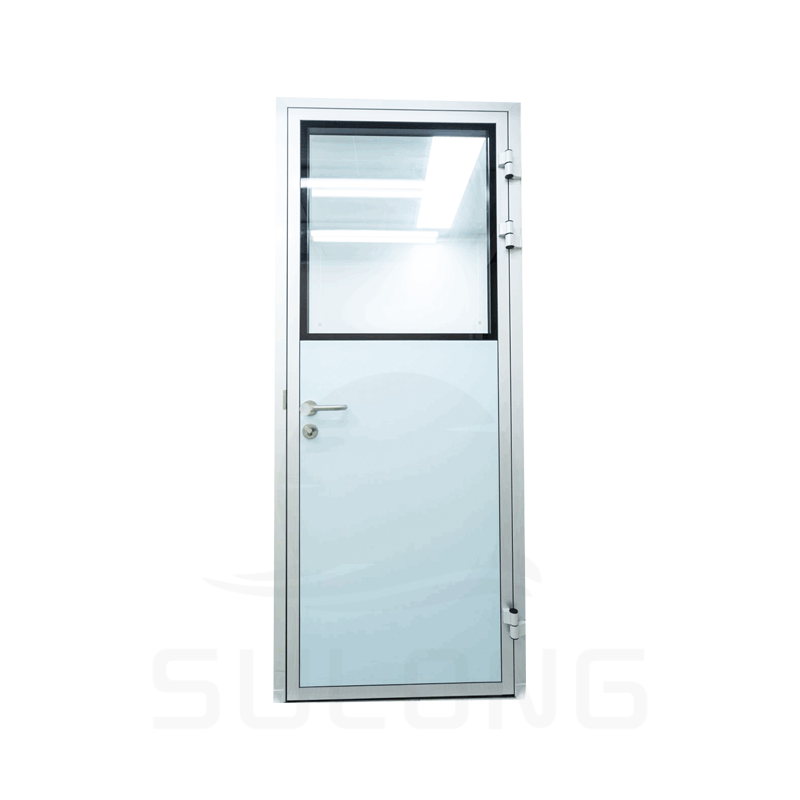
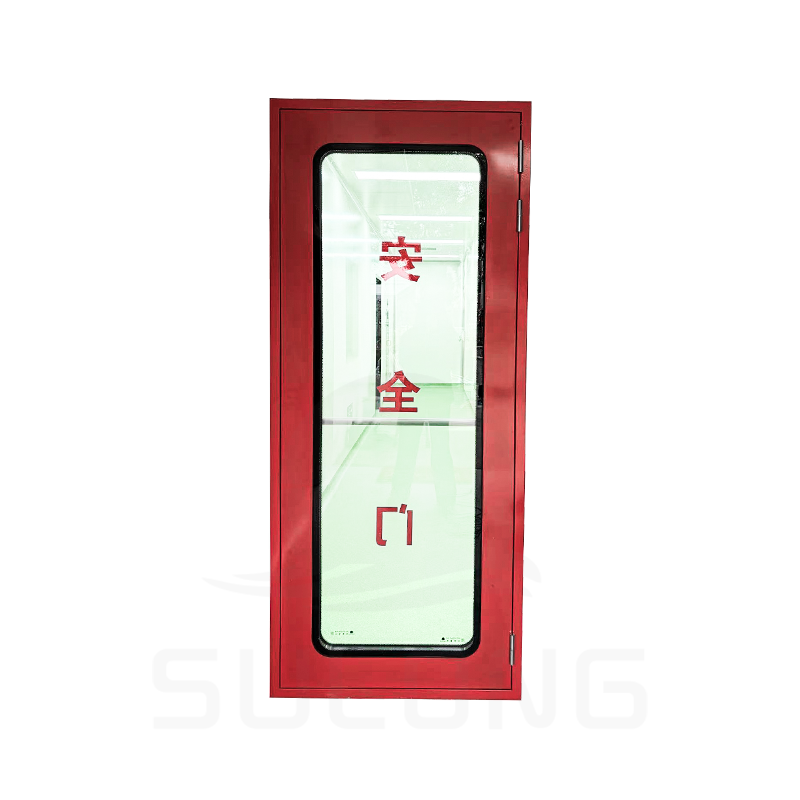
Choosing the Right Frame Material for Cleanroom Doors
The frame material of a cleanroom door directly affects its long-term performance in controlled environments. The two most widely specified options — aluminum alloy and stainless steel — each suit different application profiles, and understanding their differences helps facilities avoid costly replacements down the line.
Aluminum alloy frames are lightweight, corrosion-resistant under standard cleanroom conditions, and easier to anodize or powder-coat in a range of colors, making them a practical choice for pharmaceutical production areas and electronics manufacturing where moderate chemical exposure is expected. Stainless steel frames, particularly grades 304 and 316, are preferred in environments where aggressive disinfectants such as hydrogen peroxide vapor or chlorine-based solutions are used routinely — common in biosafety labs and food processing cleanrooms. Stainless steel withstands repeated wet cleaning cycles without pitting or surface degradation.
| Property | Aluminum Alloy | Stainless Steel |
|---|---|---|
| Weight | Light | Heavy |
| Chemical Resistance | Moderate | High (316 grade) |
| Surface Finish Options | Anodized, powder-coated | Brushed, mirror-polished |
| Typical Application | Electronics, pharma | Biolab, food processing |
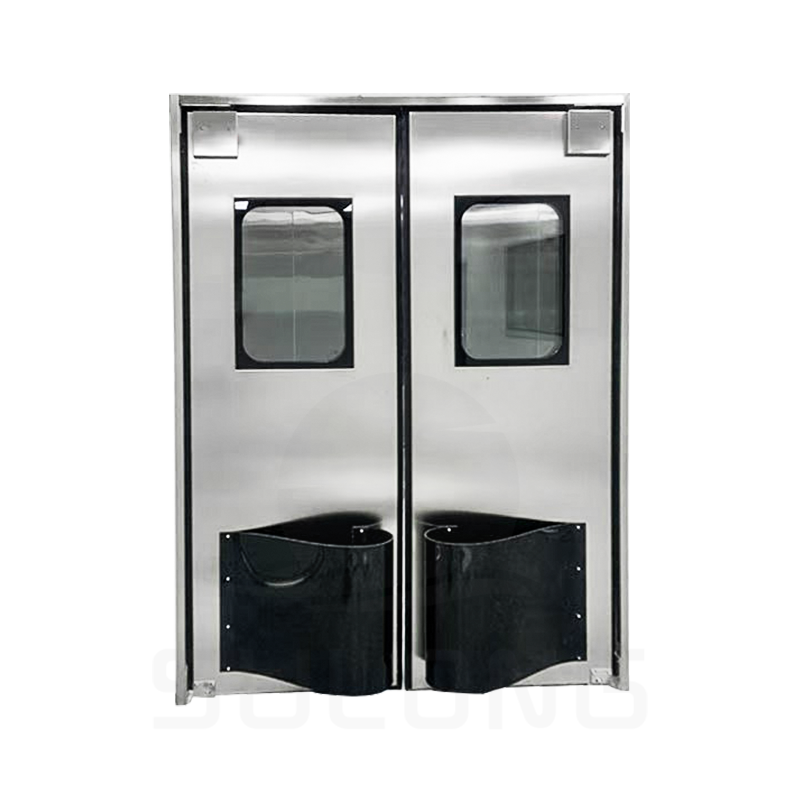
Beyond the frame, the door panel core material matters equally. Honeycomb steel panels provide high rigidity at low weight, while solid mineral-filled panels offer better acoustic attenuation — a consideration in cleanrooms adjacent to office or testing areas. Regardless of the configuration chosen, a sturdy and durable door construction is essential to maintaining the airtight integrity that cleanroom classification demands.
How Automatic Closing Devices Protect Cleanroom Integrity
An automatic closing device is not merely a convenience feature — in a classified cleanroom it is a contamination control mechanism. Every second a cleanroom door remains open creates a pathway for unfiltered air, airborne particles, and biological contaminants to enter the controlled space. Automatic closers eliminate the human error factor by ensuring the door returns to a fully latched position after each passage.
Two main types of closers are applied in cleanroom settings:
- Overhead hydraulic closers — adjustable closing speed and latching action, suitable for standard single-leaf cleanroom doors in ISO Class 6–8 environments. Closing force and backcheck can be independently tuned, which is important when door traffic is high and operators may be carrying equipment.
- Floor spring closers — concealed in the floor, they eliminate surface-mounted hardware that could accumulate dust or be damaged by cleaning equipment. These are preferred in ISO Class 4–5 environments where every particle-trapping surface must be minimized.
For airlocks and pass-through zones, interlocked automatic closing systems are used to ensure that only one door in a sequence can be open at any given time, maintaining differential pressure between zones. The closing speed should be calibrated carefully — a door that slams shut can generate a pressure pulse that temporarily disrupts the laminar airflow pattern inside the cleanroom, which is counterproductive to contamination control.
Viewing Window Selection: Balancing Visibility and Sealing Performance
The viewing window integrated into a cleanroom door serves a practical operational purpose: it allows personnel to see whether the space on the other side is occupied or in use before opening the door, reducing unnecessary entries that would compromise the controlled environment. However, window selection involves trade-offs that go beyond aesthetics.
Glass Type and Construction
Tempered safety glass is the standard choice for cleanroom doors, providing impact resistance without shattering into sharp fragments. For higher-security or higher-pressure-differential applications, laminated glass with a PVB interlayer maintains structural integrity even under stress. Double-glazed windows with a hermetically sealed air gap are specified in temperature-sensitive environments to reduce thermal bridging through the door panel.
Size and Placement Considerations
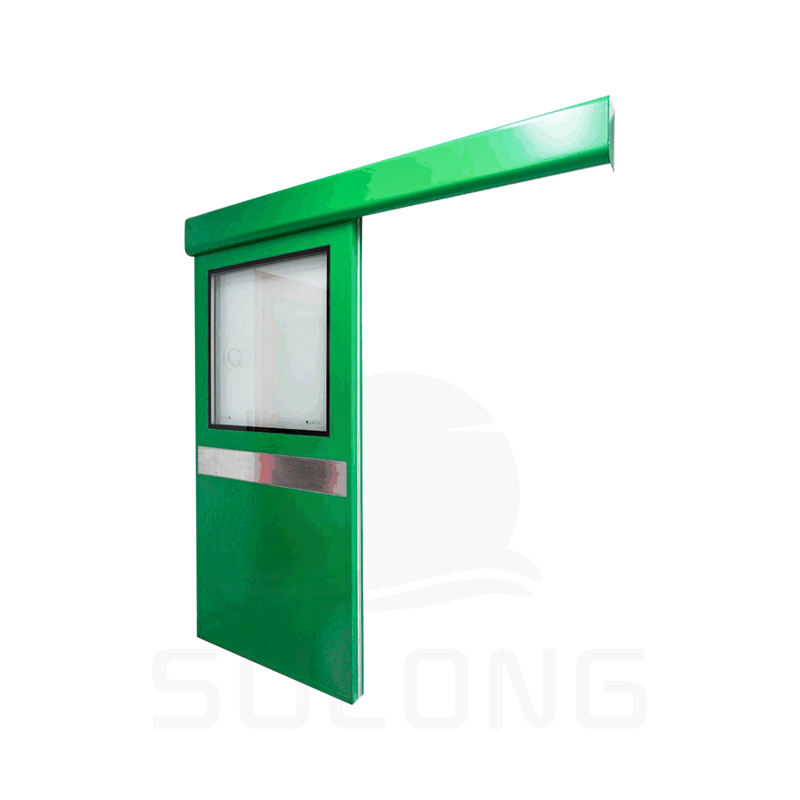
Window size affects both sightlines and panel strength. Larger windows improve visibility but reduce the structural rigidity of the door leaf, which can become relevant in high-traffic areas where doors are frequently pushed or bumped. A window positioned at eye level (approximately 1,400–1,600 mm from the floor) provides adequate sightlines for personnel of varying heights without compromising the lower door panel, which bears the most mechanical stress during operation. Our cleanroom doors are designed to accommodate freely selected window types and dimensions, enabling facilities to balance these structural and operational requirements according to their specific layout.
The window frame seal is a critical but often overlooked detail. Silicone gaskets provide the most durable airtight seal around the glass perimeter, resisting both the cleaning agents used in routine disinfection and the slight flexing that occurs each time the door closes under automatic closing device pressure.
Pest Exclusion and Sealing: What "Easy to Open" Actually Requires
Cleanroom doors must be easy to open — particularly for personnel in gowning who may have limited dexterity or be carrying materials — while simultaneously forming a tight enough seal to prevent insects and other small animals from entering the cleanroom. These two requirements are in direct tension, and resolving them requires deliberate hardware and sealing choices rather than a one-size-fits-all approach.
The primary sealing components that contribute to pest exclusion are:
- Perimeter compression gaskets — continuous silicone or EPDM gaskets running around the full door frame perimeter compress when the door latches, eliminating gaps larger than a fraction of a millimeter. This is the primary barrier against insects.
- Door bottom seals — automatic drop seals deploy as the door closes, pressing a brush or blade seal against the floor to close the underside gap without requiring the operator to manually manage anything. For wheelchairs and equipment carts, a low-threshold design keeps the floor transition manageable.
- Door leaf flatness tolerance — a warped or poorly manufactured door panel will never seal correctly regardless of how well-specified the gaskets are. High-quality cleanroom doors maintain strict flatness tolerances (typically ≤2 mm over the full panel height) to ensure consistent gasket compression at every point.
Door opening force is governed by the combined resistance of the perimeter gasket compression and the automatic closing device spring tension. Facilities should verify that the opening force does not exceed applicable ergonomic standards for their region — EN 12217 in Europe specifies that operating forces for manually operated doors in public and industrial buildings should be achievable with a single hand. Specifying an adjustable closing device with a separate hold-open function for loading operations provides operational flexibility without permanently compromising the seal. With options spanning aluminum alloy and stainless steel hardware, configurable lock models, and door panel colors matched to facility aesthetics, a well-specified cleanroom door system achieves all of these requirements simultaneously.


