
 Call us :
  Mail us to:


 English
 中文简体
中文简体

How to Choose the Right Cleanroom Wall and Ceiling Panel System for Your Industry
The wall and ceiling system is the structural foundation of any cleanroom. Selecting the right panel system is not a matter of aesthetics alone — it directly determines whether the controlled environment can achieve and maintain the required cleanliness classification, whether the structure can withstand frequent chemical cleaning cycles, and whether the facility can be reconfigured efficiently as production needs evolve.
Understanding the Core Requirements of Cleanroom Enclosures
Cleanroom walls and ceilings must satisfy several simultaneous engineering demands. First and foremost, surfaces must be non-shedding — they must not generate or release particles into the controlled environment under normal operational conditions, mechanical contact, or chemical wiping. Second, the panel surfaces must resist the full spectrum of disinfectants and sterilizing agents used in the target industry, from isopropyl alcohol and quaternary ammonium compounds used in pharmaceutical manufacturing to stronger oxidants used in semiconductor wet processing. Third, the clean room ceiling panel must integrate seamlessly with critical overhead infrastructure: HEPA/ULPA filter modules, lighting fixtures, sprinkler heads, and air return plenums all require clean, sealed connections to the ceiling grid without creating dust-trapping crevices.
The Importance of Seamless Joint Design
One of the most overlooked aspects of cleanroom enclosure selection is joint integrity. Traditional construction techniques that rely on butt joints with visible sealant beads are problematic in cleanroom environments because sealant can crack, harbor microbial growth, and become a particle generation source over time. Modern clean room wall panels are designed with proprietary interlocking edge profiles — typically tongue-and-groove or concealed cam-lock systems — that produce flush, gap-free transitions between adjacent panels. This seam-free architecture eliminates the particle traps that would otherwise compromise cleanliness classifications ranging from ISO Class 8 (equivalent to Fed Std 209E Class 100,000) down to the ultra-clean ISO Class 1 environments required by advanced semiconductor fabrication.
Matching Panel Core Material to Application
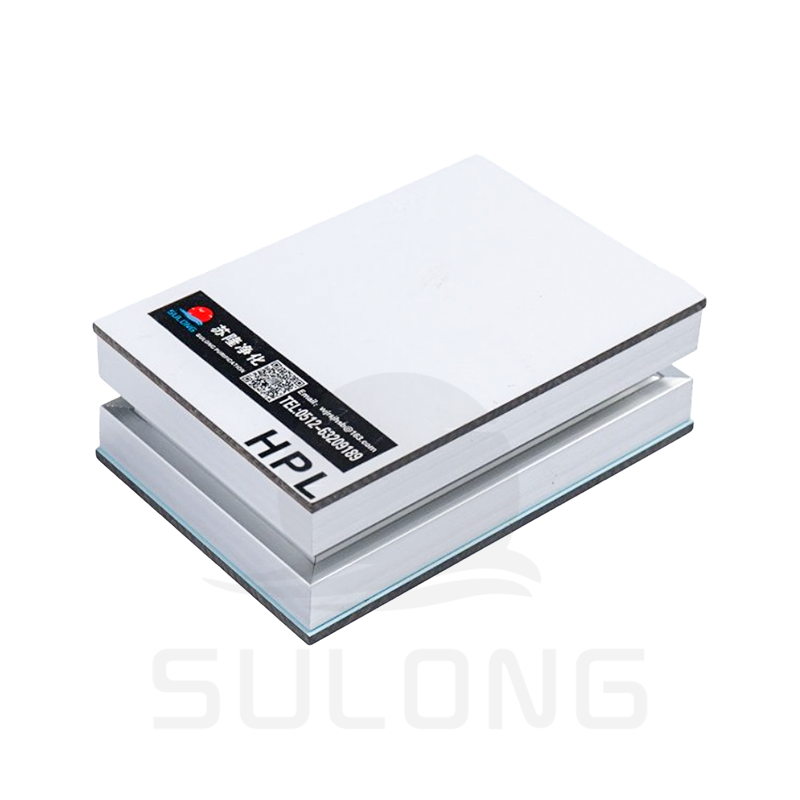
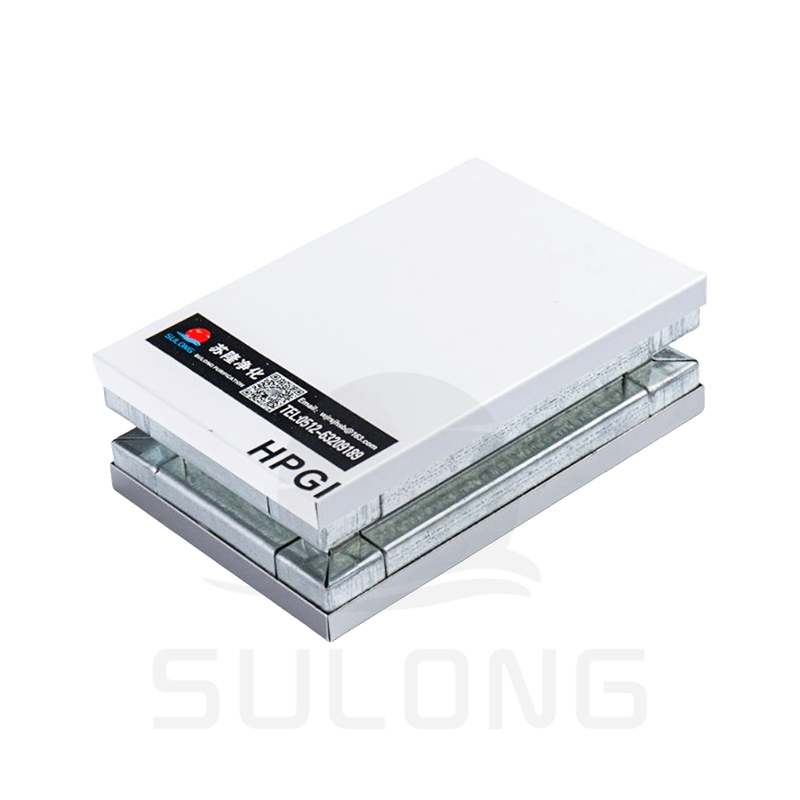
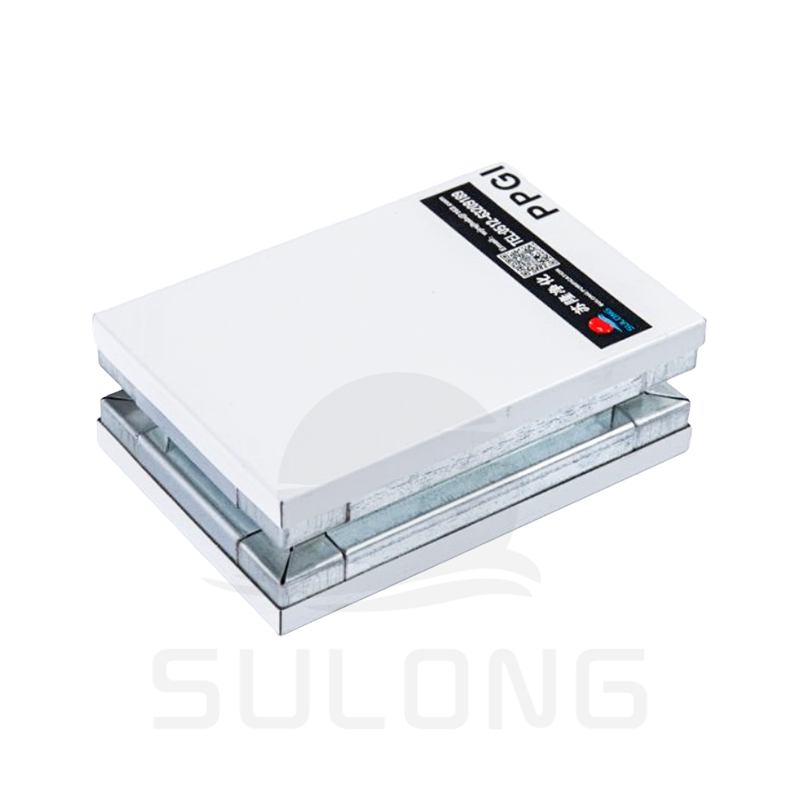
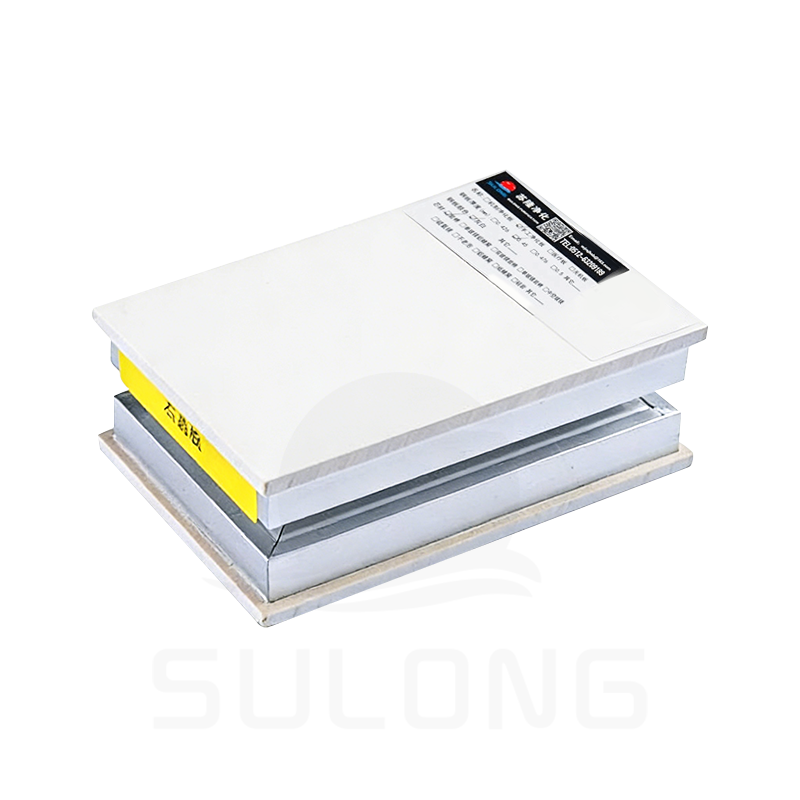
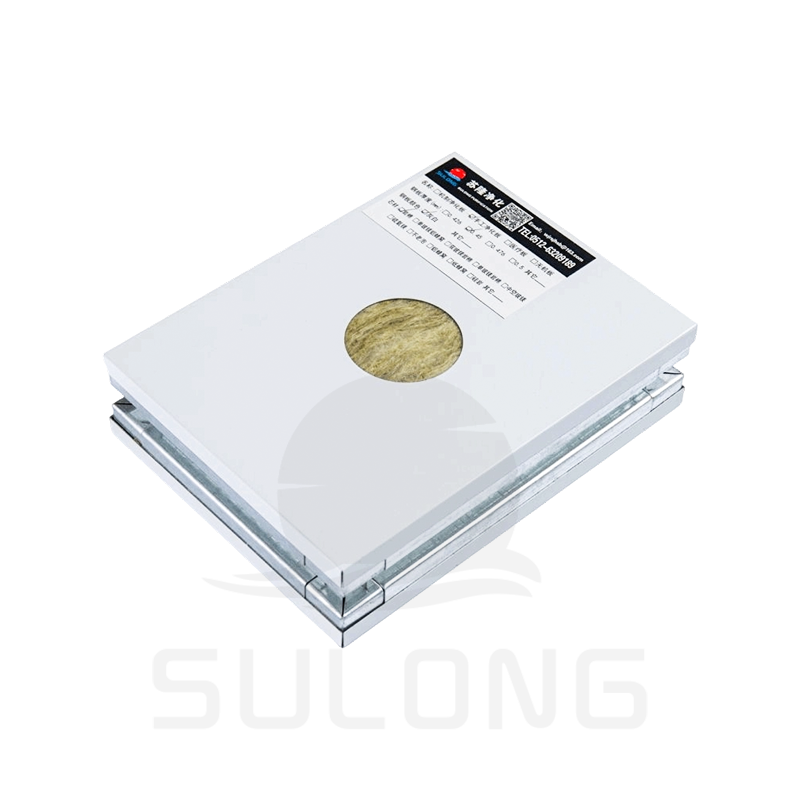
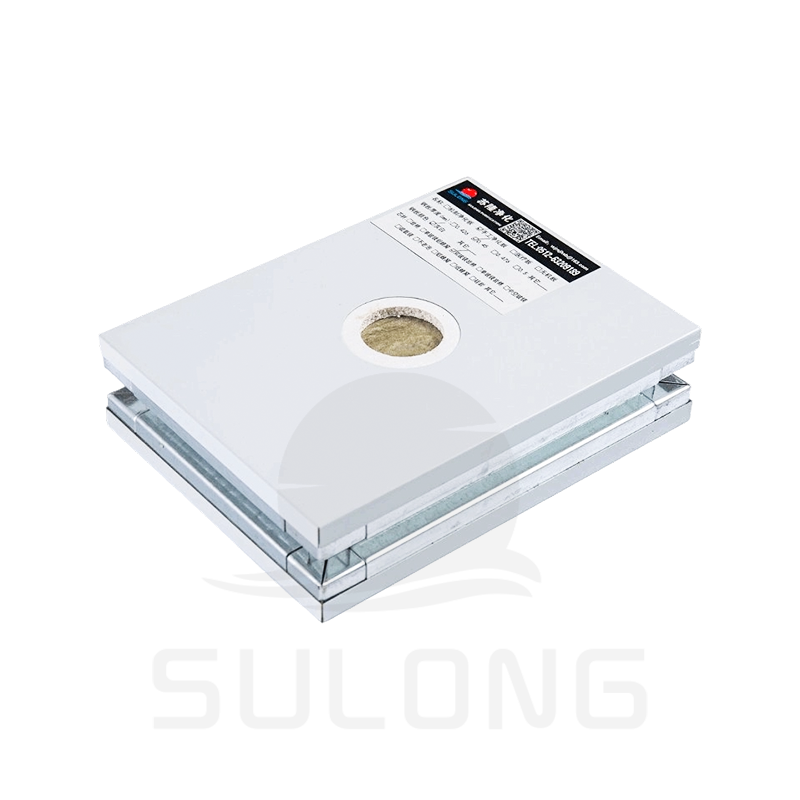
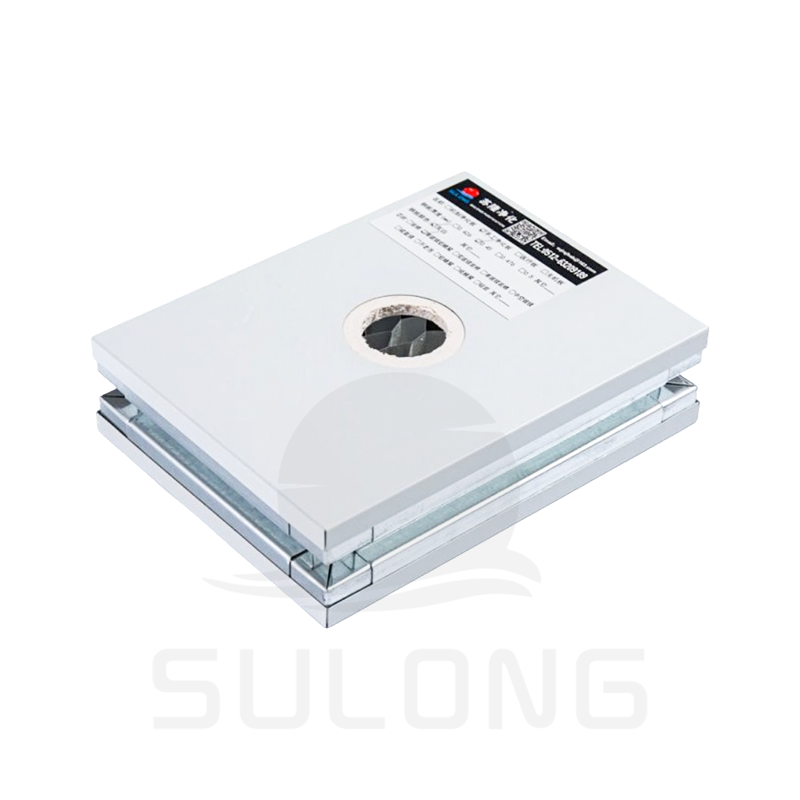
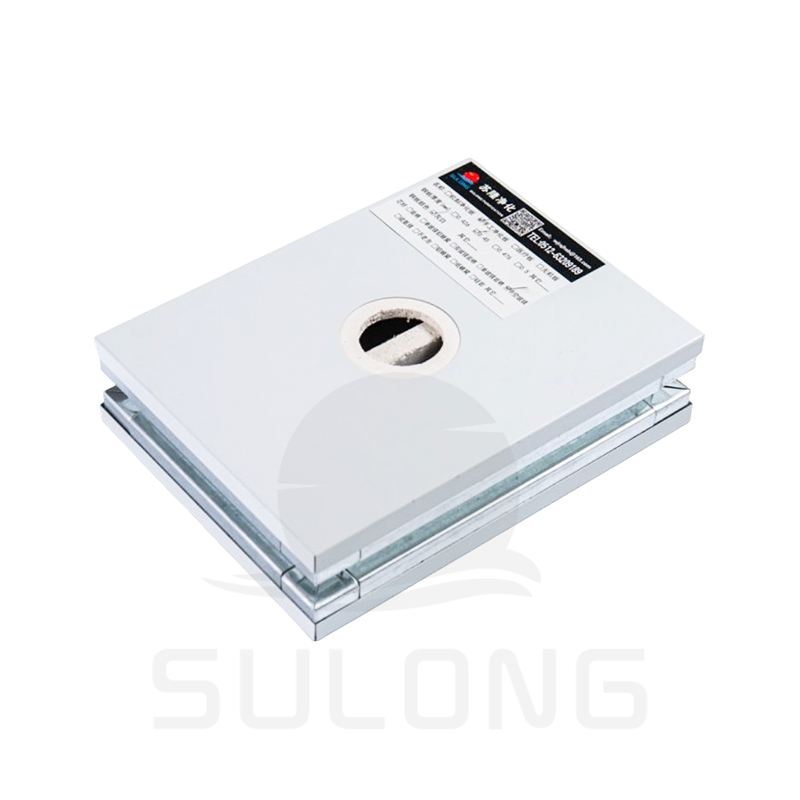
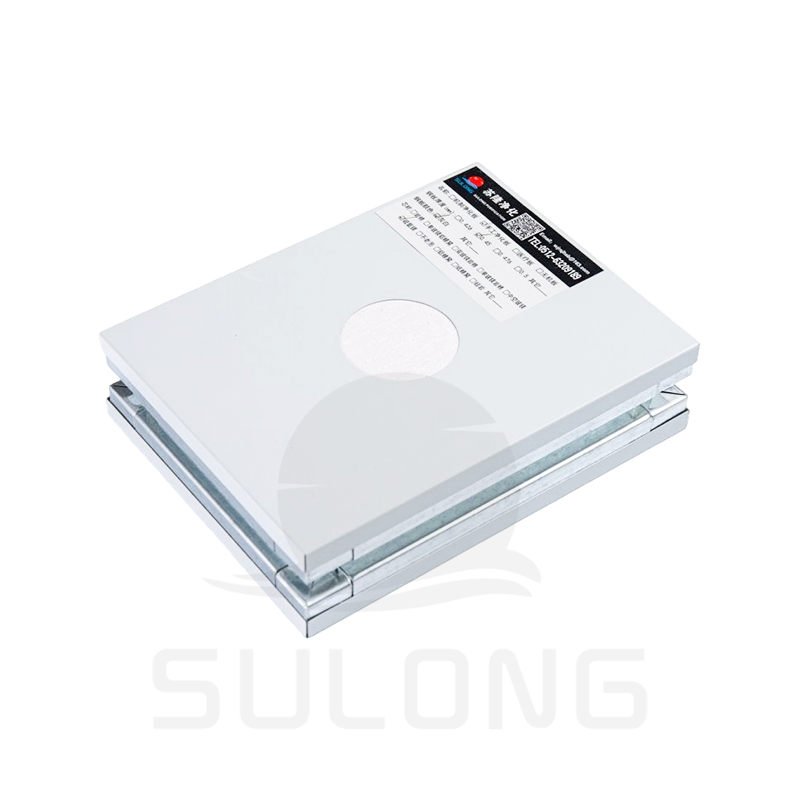
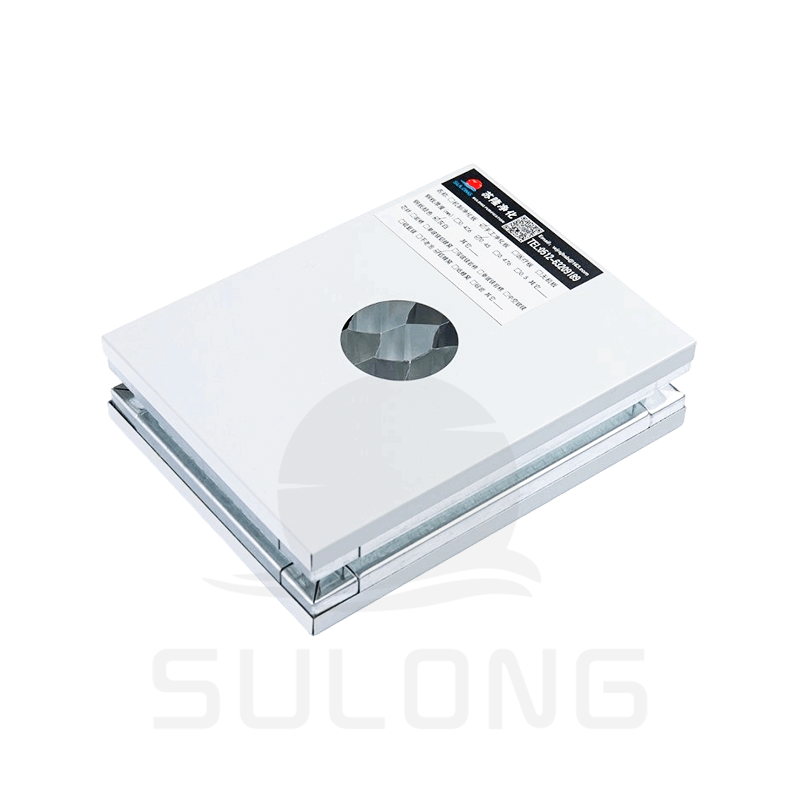
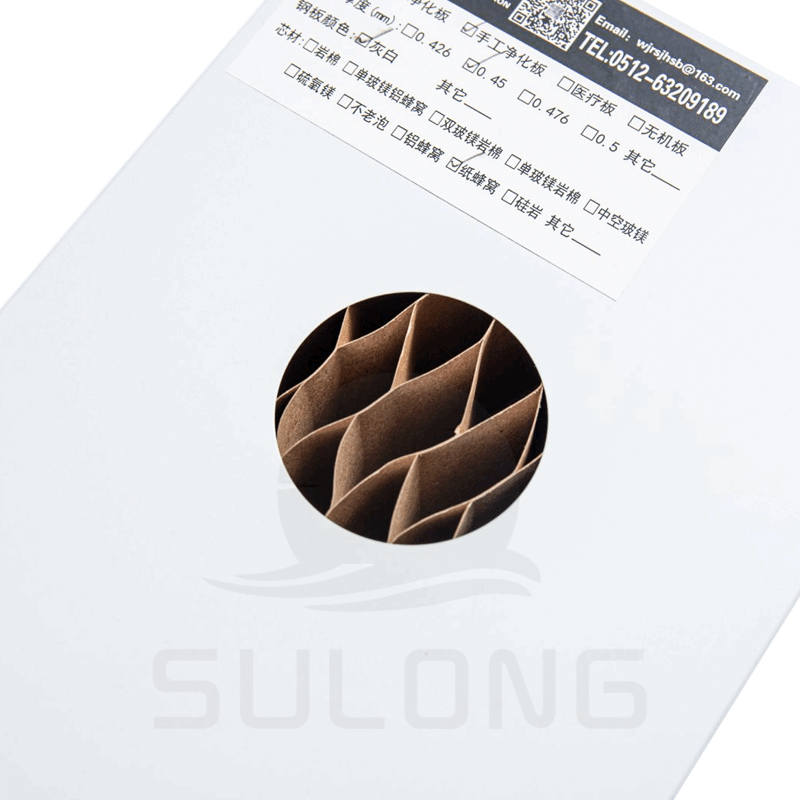
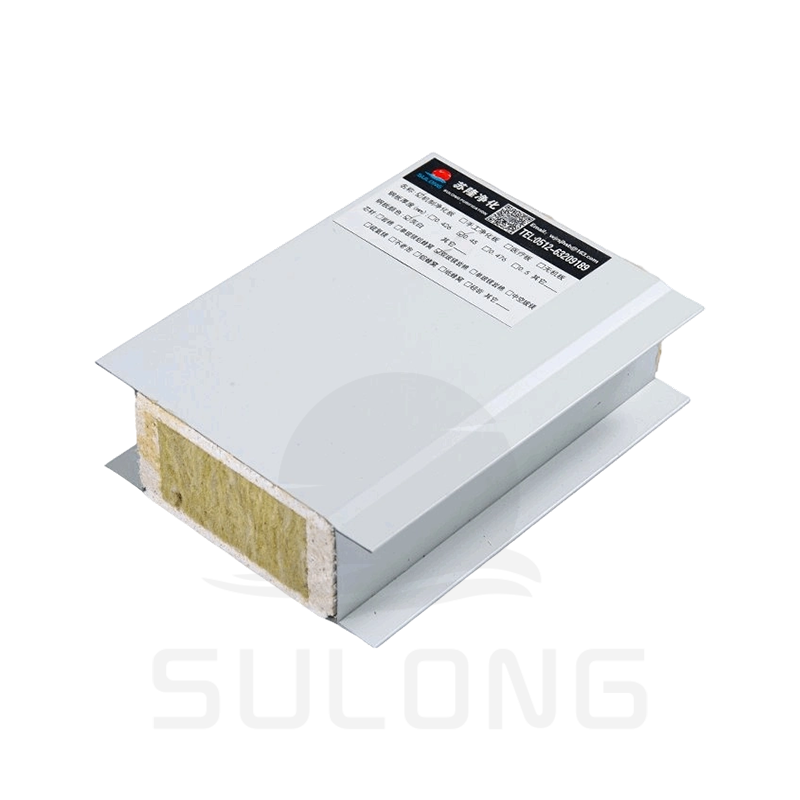
The choice of core material has a profound impact on thermal insulation, fire resistance, acoustic performance, and structural rigidity. Rockwool cores offer excellent fire resistance and are the default choice for pharmaceutical GMP facilities where fire suppression requirements are stringent. Aluminum honeycomb cores maximize the strength-to-weight ratio, making them ideal for tall cleanroom structures or facilities requiring frequent reconfiguration. Polyurethane (PU) and polyisocyanurate (PIR) cores provide superior thermal insulation and are preferred in controlled-temperature environments such as cleanroom cold storage or temperature-sensitive biopharmaceutical production areas. Glass magnesium boards as face sheets combine corrosion resistance with the ability to bond directly to the core without adhesive failure, extending service life significantly compared to standard color steel face sheets.
Ceiling Systems and Air Distribution
The ceiling plane in a cleanroom is not passive architecture — it is an active component of the air distribution system. Modular ceiling grids must accommodate FFU (Fan Filter Unit) arrays or terminal HEPA filter boxes at coverage ratios determined by the target cleanliness class, while rigid ceiling panels fill the non-filtered areas between filter modules. The ceiling system must be designed to create a positive-pressure plenum above the filter layer, ensuring that filtered air is delivered uniformly downward into the occupied zone. For ISO Class 5 and above unidirectional flow rooms, filter coverage can approach 100%, requiring the cleanroom ceiling to function almost entirely as a filter support structure with minimal solid panel infill.
Selecting the right cleanroom wall system and cleanroom ceiling systems is ultimately a multi-variable engineering decision that requires matching structural, acoustic, thermal, chemical, and regulatory requirements to available panel technologies — a process best undertaken in close collaboration with an experienced cleanroom system supplier.


