
 Call us :
  Mail us to:


 English
 中文简体
中文简体

A Complete Guide to Cleanroom Equipment: How Each Device Contributes to Contamination Control
A cleanroom is not simply defined by its walls, ceiling, and flooring — the controlled environment is actively maintained by a suite of specialized equipment that controls the introduction of personnel, materials, and goods into the clean zone, manages air quality throughout the occupied space, and provides localized ultra-clean environments for the most sensitive operations. Understanding the function and selection criteria for each category of cleanroom equipment is essential for designing a contamination control system that reliably meets its target cleanliness classification.
Air Shower Systems: The First Line of Personnel Decontamination
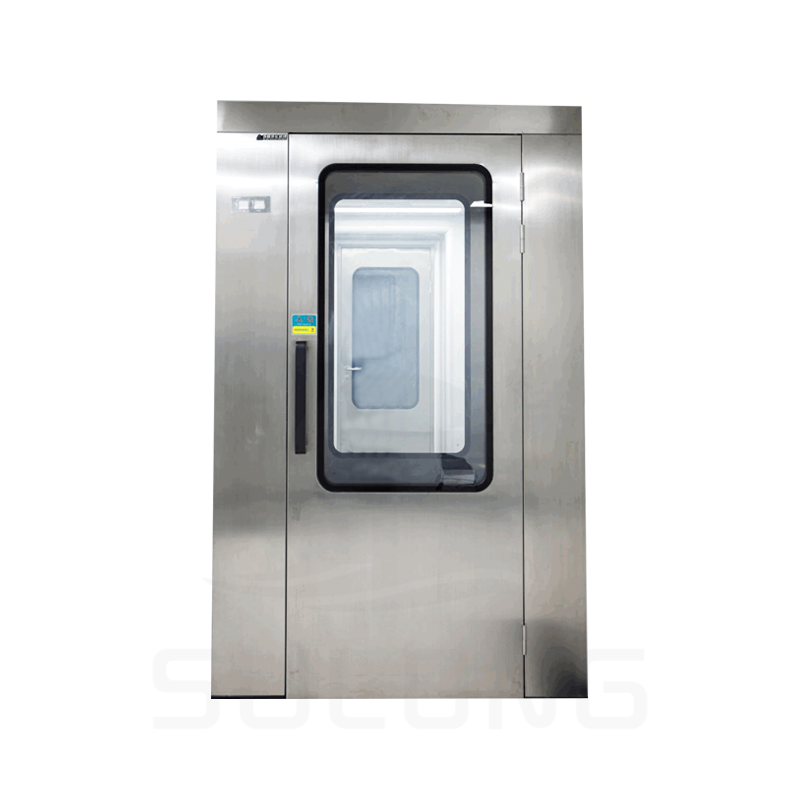
Air showers are the entry point into most cleanrooms above ISO Class 7, functioning as decontamination airlocks that strip surface particles from personnel before they enter the controlled zone. The operating principle involves exposing the entering person to high-velocity jets of HEPA-filtered air — typically at velocities of 20–25 m/s — from multiple nozzle arrays around the shower chamber. The turbulent airflow dislodges particles from clothing, hair, and skin surfaces, after which the particle-laden air is exhausted through floor-level return grilles to the recirculation system.
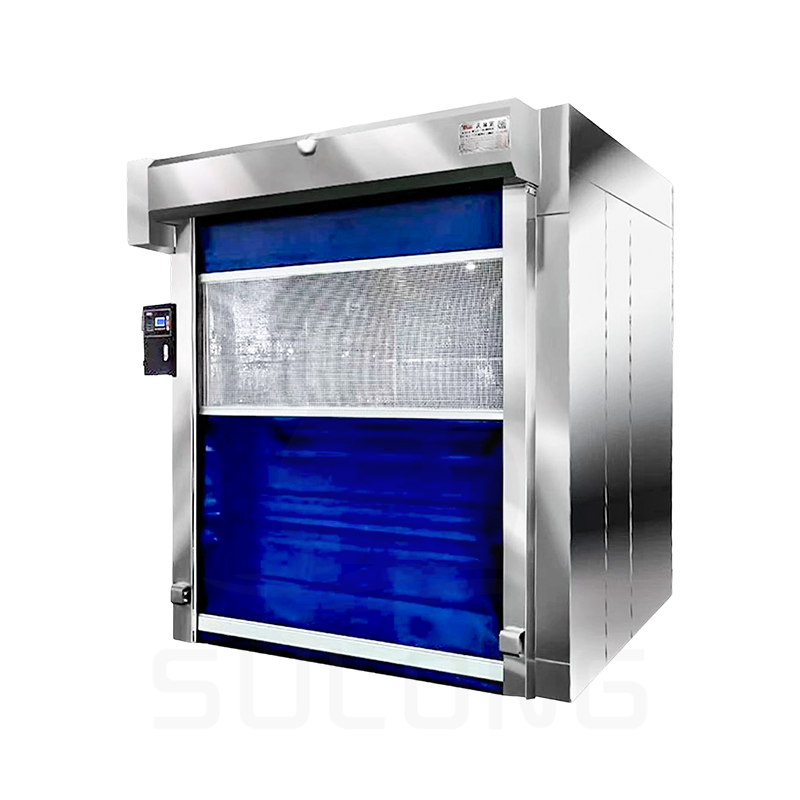
Air shower design variables that affect decontamination effectiveness include nozzle velocity and coverage pattern, shower cycle duration (typically 15–30 seconds), the cleanliness classification of the air supply, and the interlock logic governing door sequencing. Properly specified and validated air showers can achieve particle removal efficiencies exceeding 90% for particles above 0.5 μm on standard cleanroom garment surfaces. Cargo air showers follow the same operating principle but are scaled and configured to accommodate trolleys, carts, and material handling equipment, providing an equivalent decontamination function for goods entering the cleanroom.
Pass-Through Windows and Transfer Boxes: Contamination-Free Material Transfer
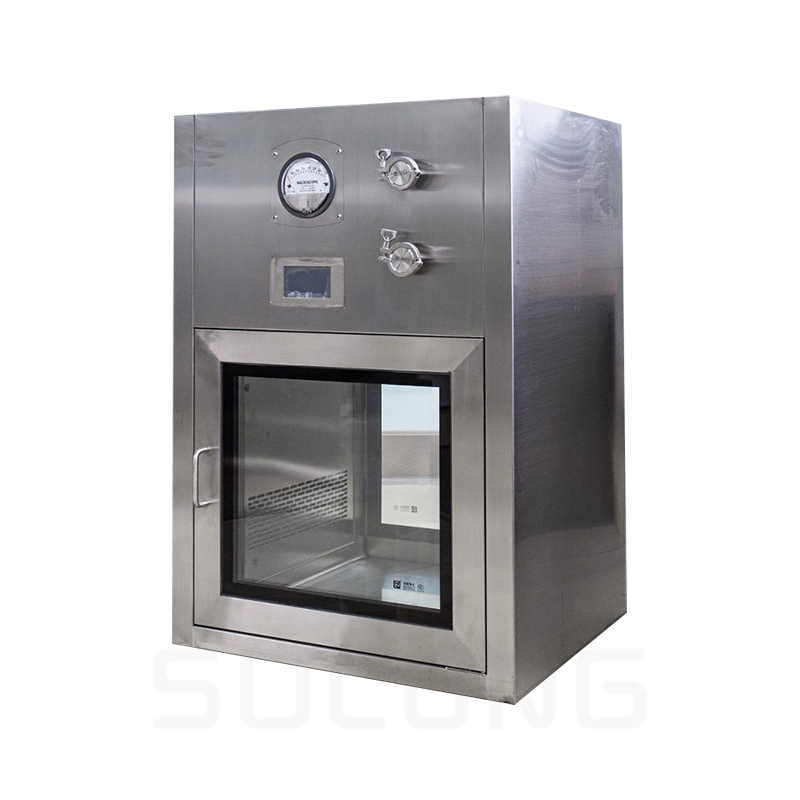
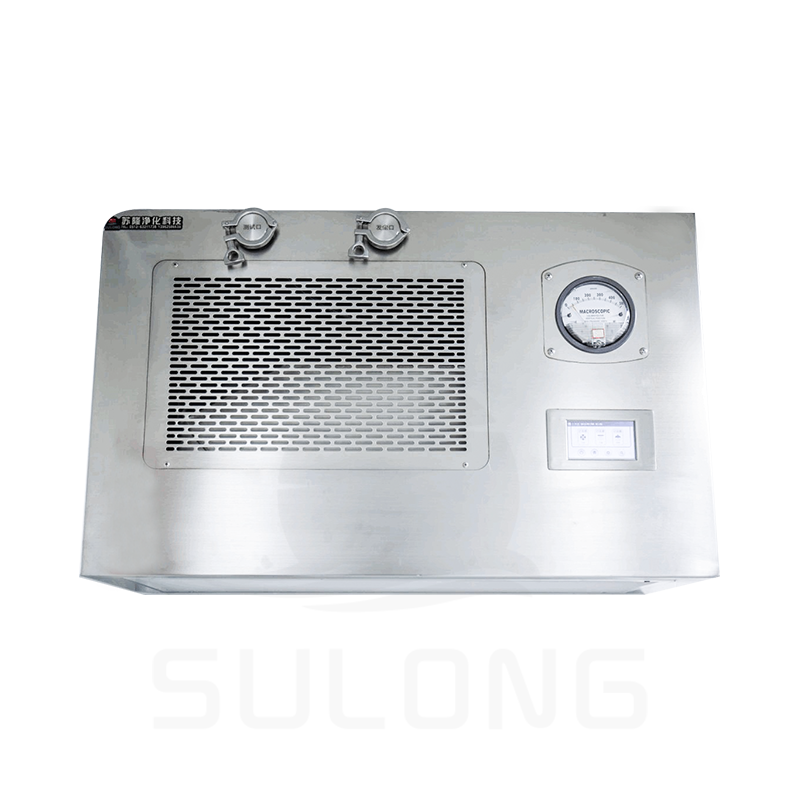
Every time a door between a cleanroom and a lower-classification corridor or adjacent space is opened, a pressure differential disruption occurs that can drive contaminated air into the clean zone. Pass-through windows and transfer boxes eliminate this risk by providing a fully enclosed transfer chamber with interlocked doors — only one door can be open at any time, maintaining positive pressure differential integrity. Some pass-through boxes are equipped with UV sterilization lamps that activate during the transfer cycle, providing an additional surface decontamination step for items entering sterile or aseptic manufacturing zones.
The design of pass-through boxes for sterile pharmaceutical manufacturing must comply with GMP Annex 1 requirements (for EU pharmaceutical manufacturers) or equivalent FDA guidance, specifying surface materials, gasket integrity, and interlocking door mechanisms that prevent simultaneous opening.
Fan Filter Units: The Core of Cleanroom Air Management
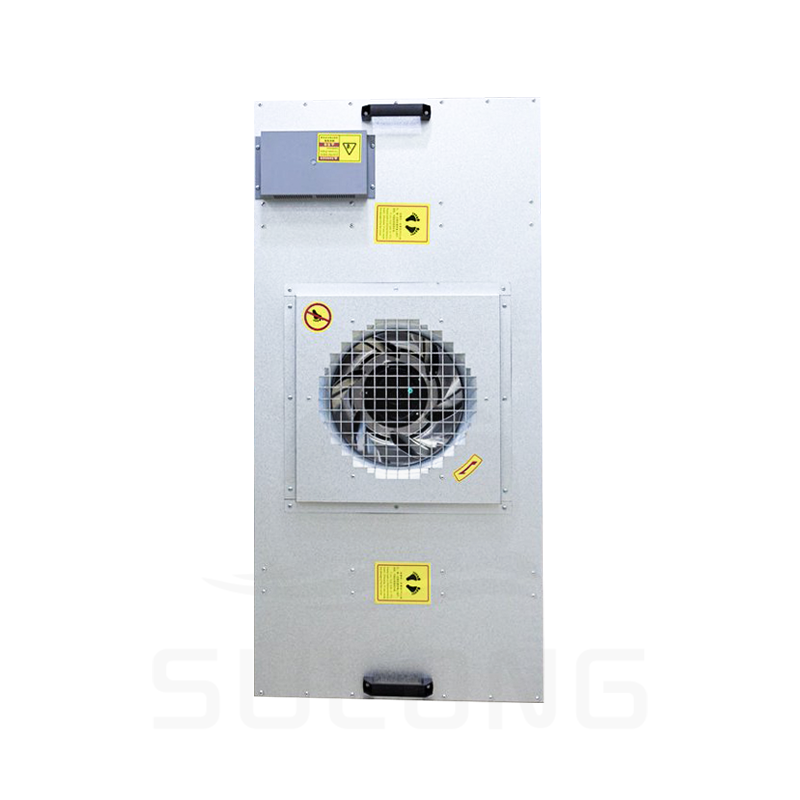
Fan Filter Units (FFUs) are self-contained air recirculation devices consisting of a centrifugal fan, motor, and HEPA or ULPA filter assembly in a single modular housing. Installed in grid arrays across the ceiling of a cleanroom, FFUs draw recirculated room air through the HEPA filter and return it to the occupied space as a downward laminar or quasi-laminar airflow. The distributed nature of FFU arrays allows cleanroom operators to adjust air change rates and filtration coverage by modifying the number, spacing, and speed of FFUs across the ceiling grid — providing a degree of operational flexibility not available with centralized air handling systems.
FFU selection involves specifying filter classification (H13 or H14 for HEPA, U15 or U16 for ULPA), motor type (AC or energy-efficient EC brushless), airflow volume per unit, and noise levels appropriate for the working environment. For semiconductor and flat panel display facilities where ionic contamination from motor brush systems must be eliminated, EC motor FFUs with sealed bearing assemblies are standard specifications.
Fan Filter Units: The Core of Cleanroom Air Management
Laminar flow hoods provide a localized ISO Class 5 work zone within a larger, lower-classification cleanroom, enabling sensitive operations such as sample preparation, component assembly, or microbiology work to be performed with ultra-clean air supply immediately above the work surface. Vertical downflow hoods are standard for most pharmaceutical and laboratory applications, as the downward airflow pattern minimizes cross-contamination between adjacent work zones.
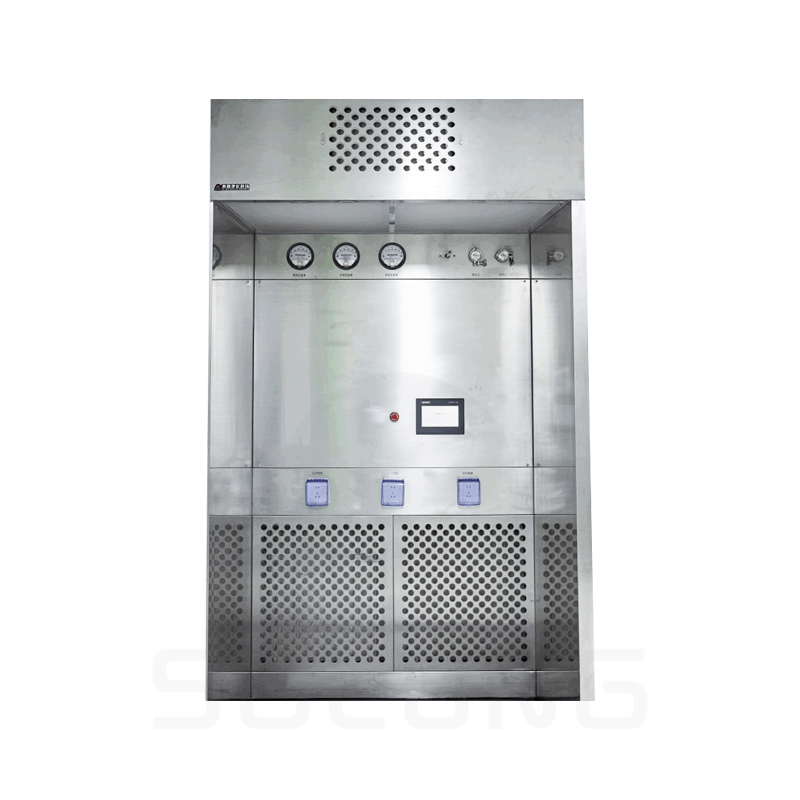
Negative pressure weighing booths serve a specialized function in pharmaceutical raw material handling: they provide a particle-free environment for weighing potentially hazardous drug substances while simultaneously protecting the surrounding room and personnel from powder aerosols generated during the weighing operation. The combination of HEPA-filtered supply air and negative pressure exhaust through a secondary HEPA filter creates a protected enclosure that meets both contamination control and personnel safety objectives simultaneously.


