
 Call us :
  Mail us to:


 English
 中文简体
中文简体

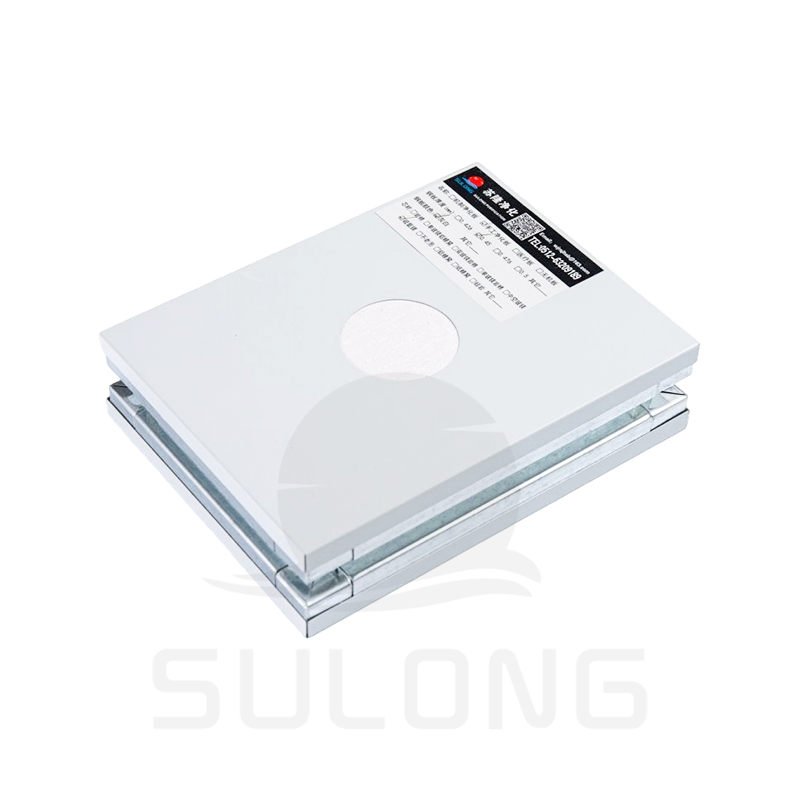
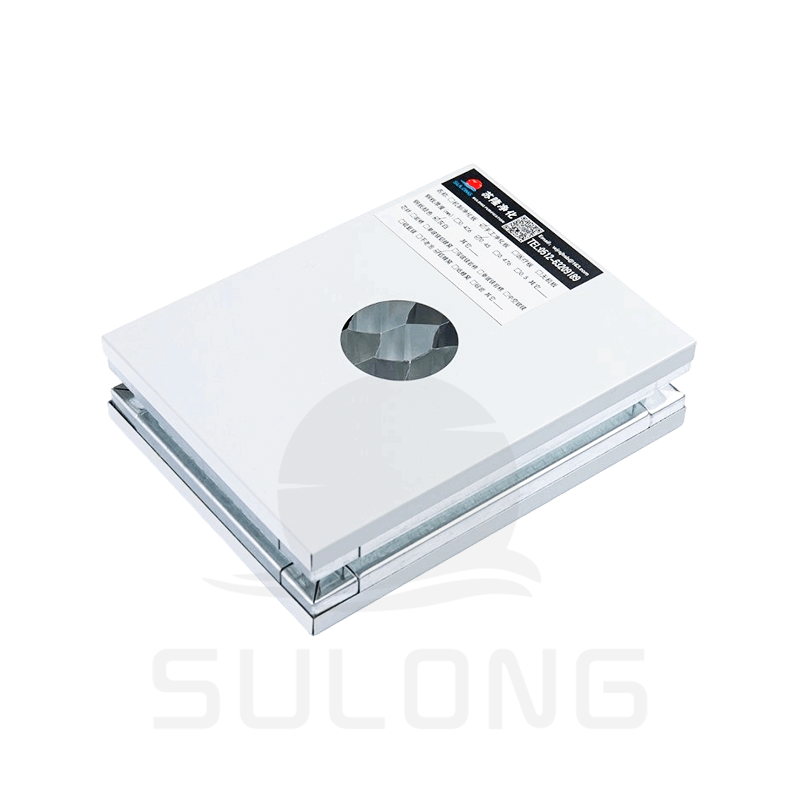
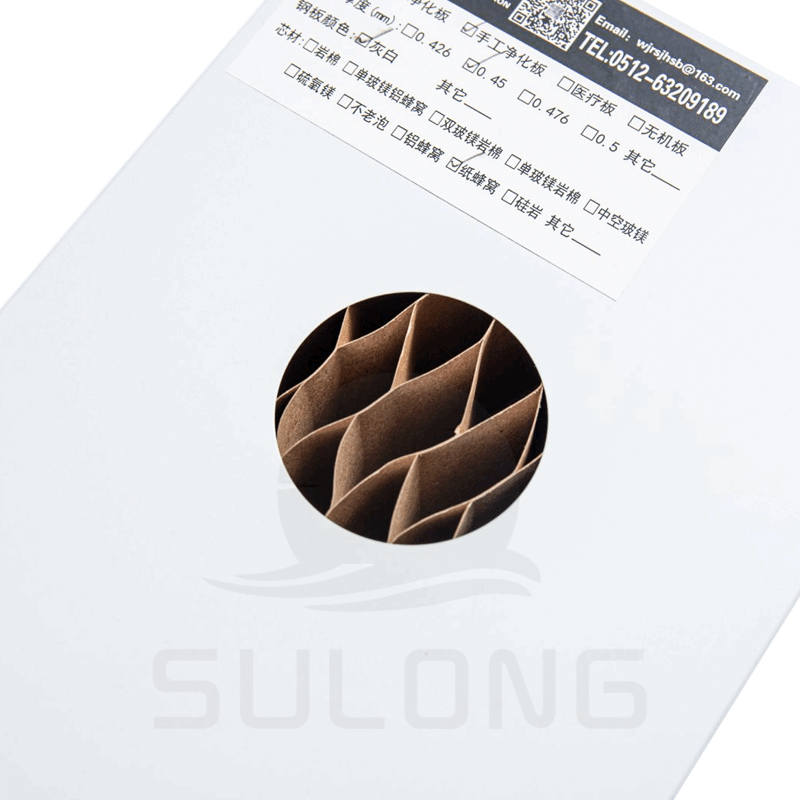
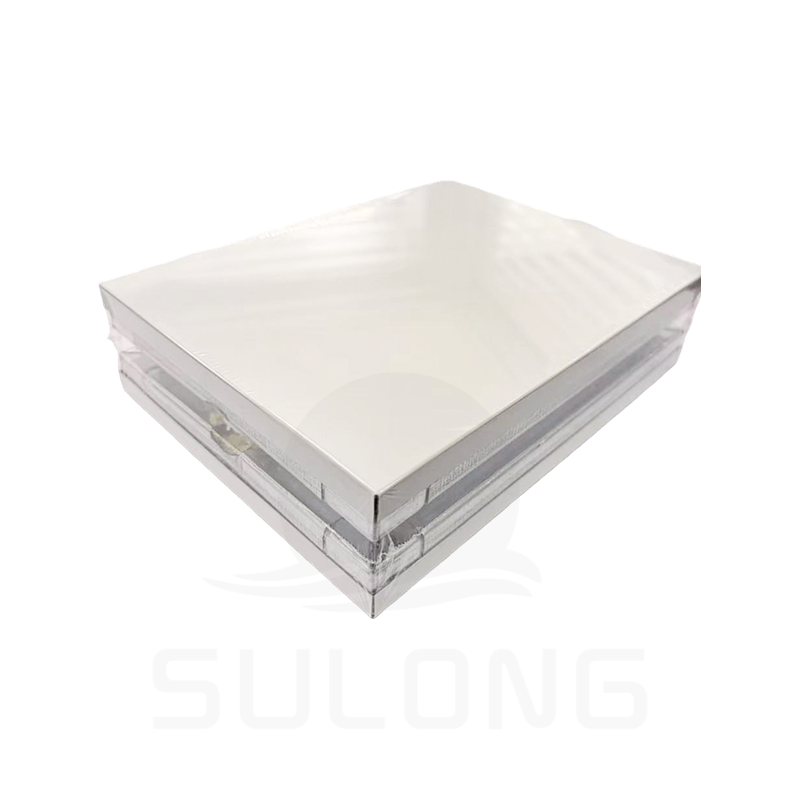
What Makes Handmade Cleanroom Sandwich Panels the Preferred Choice for Custom and Complex Projects?
In the cleanroom construction industry, sandwich panels are broadly divided into two manufacturing categories: machine-made continuous production panels and handmade panels fabricated through semi-manual assembly processes. While machine-made panels dominate large-scale, standardized applications where uniformity and output volume are paramount, handmade sandwich panels occupy an irreplaceable position in projects that demand dimensional flexibility, specialized core materials, or unique face sheet combinations that fall outside the capabilities of continuous production lines.
The Handmade Panel Manufacturing Process
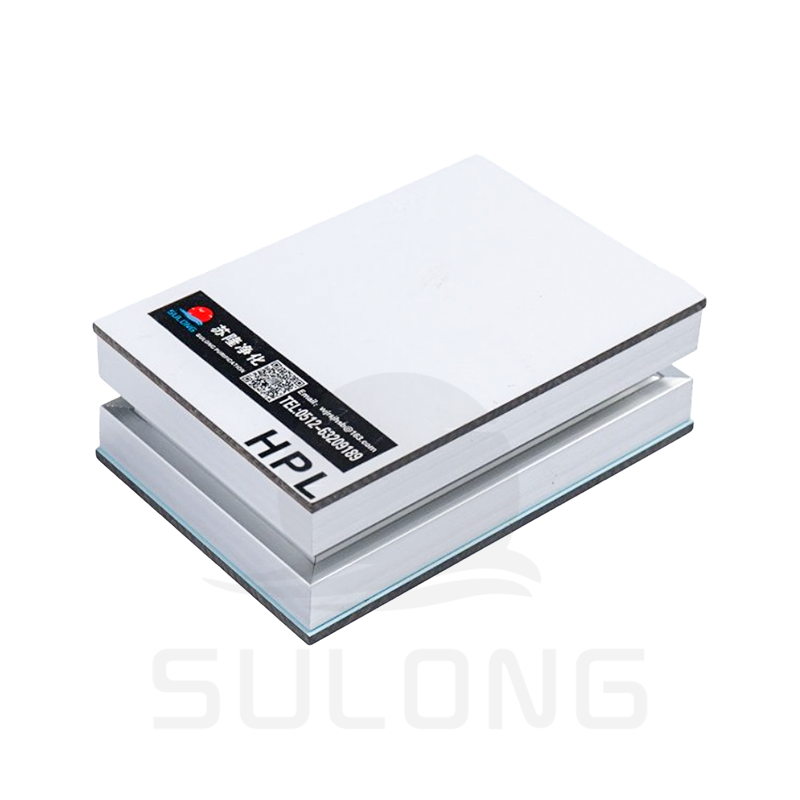
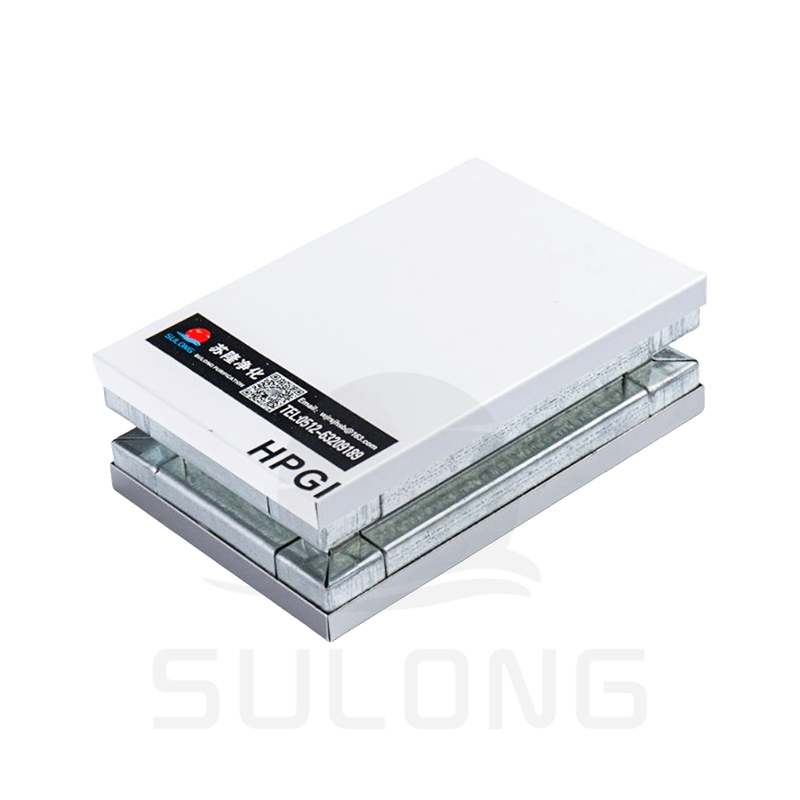
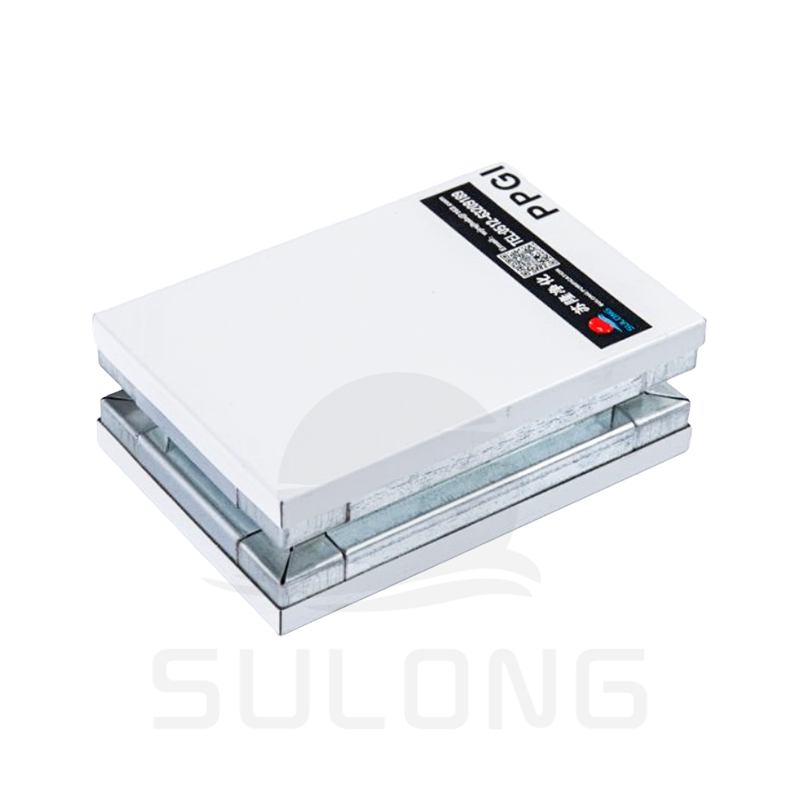
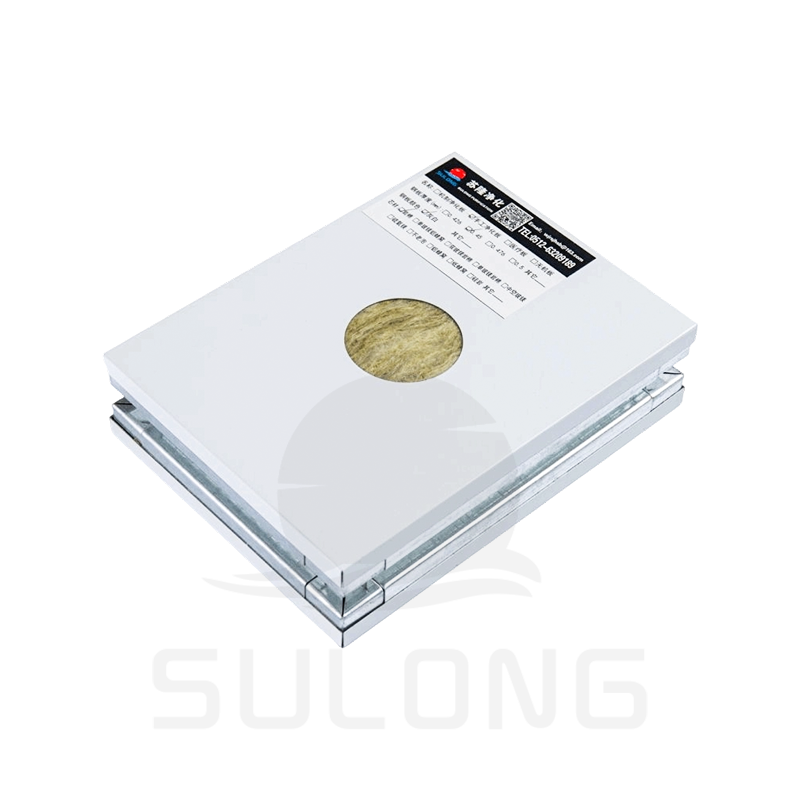
Handmade cleanroom sandwich panels are produced by bonding face sheets — typically color steel, galvanized steel, stainless steel, HPL, or glass magnesium board — to a pre-cut or pre-formed core material using structural adhesives, under controlled temperature and pressure conditions. The process is inherently flexible: panel dimensions can be adjusted to match any architectural requirement without tooling changes, core materials can be substituted or layered to achieve specific performance targets, and face sheet materials can be combined in asymmetric configurations (different face sheets on each side) to optimize surface properties for different exposure environments.
This manufacturing flexibility makes handmade sandwich panels the natural choice for projects involving non-rectangular panel shapes, very large panel dimensions that exceed machine production widths, panel thicknesses outside standard ranges, or situations where the project requires a combination of face sheet and core materials not available in machine-made form.
Core Material Selection and Its Impact on Performance
The core material is the defining functional component of any sandwich panel. For cleanroom applications, the choice of core material must balance fire resistance, thermal insulation, mechanical strength, weight, and chemical compatibility:
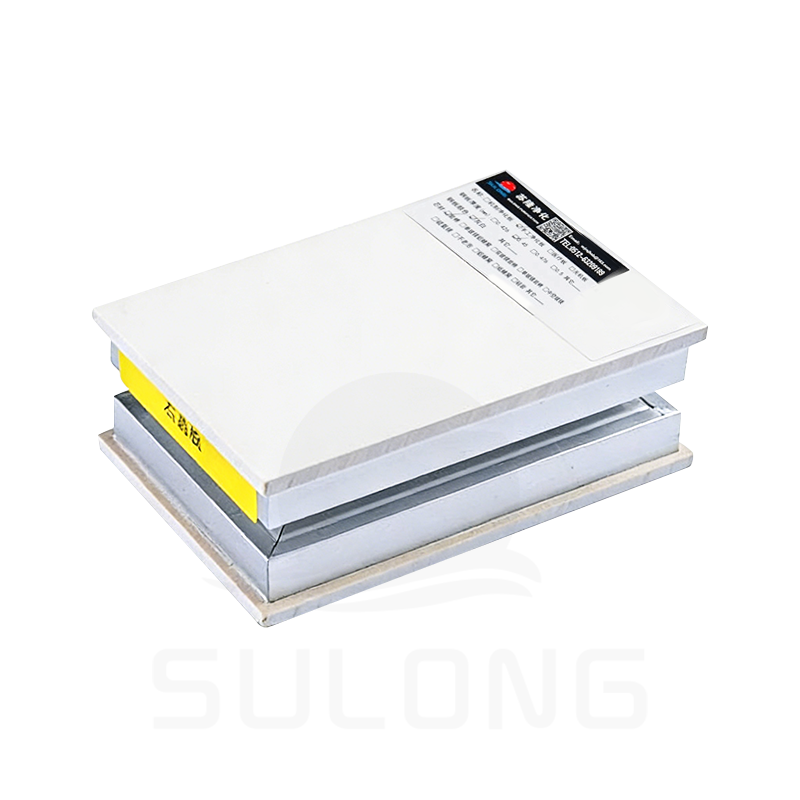
Rockwool cores are mineral fiber-based, non-combustible materials that provide Class A fire resistance. They are the standard specification for pharmaceutical GMP facilities, hospital cleanrooms, and any application where building fire codes require non-combustible partition construction. Rockwool panels also provide meaningful acoustic attenuation, reducing sound transmission between adjacent cleanroom zones.
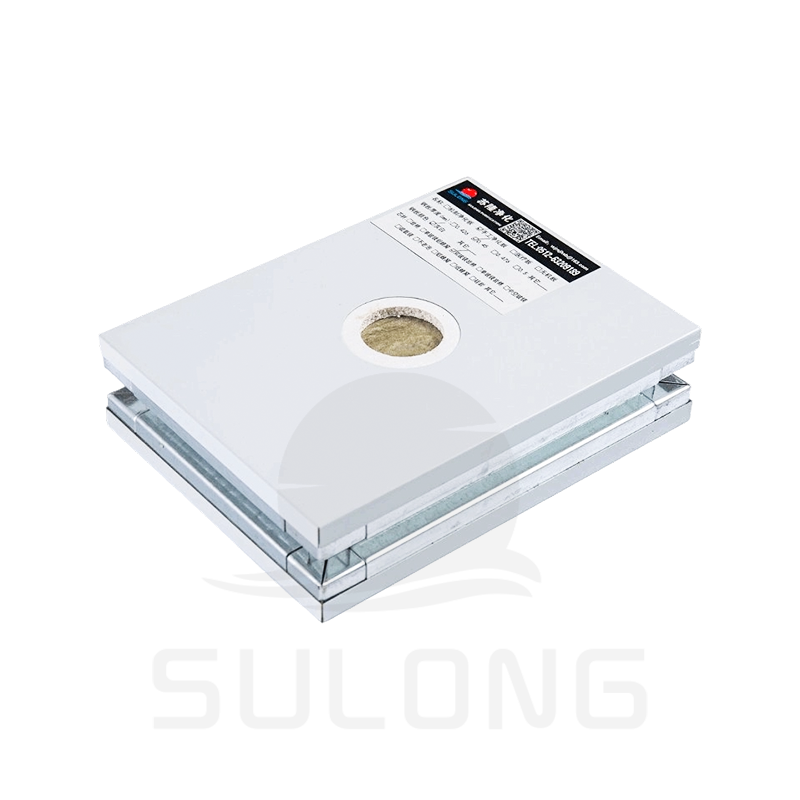
Glass magnesium board cores — whether hollow or solid — are valued for their combined fire resistance, dimensional stability, and compatibility with chemical adhesives. When used as both the core and the inner face layer in a "double glass magnesium" configuration, they create an exceptionally stable, moisture-resistant panel structure suitable for high-humidity cleanroom environments such as pharmaceutical water purification areas.
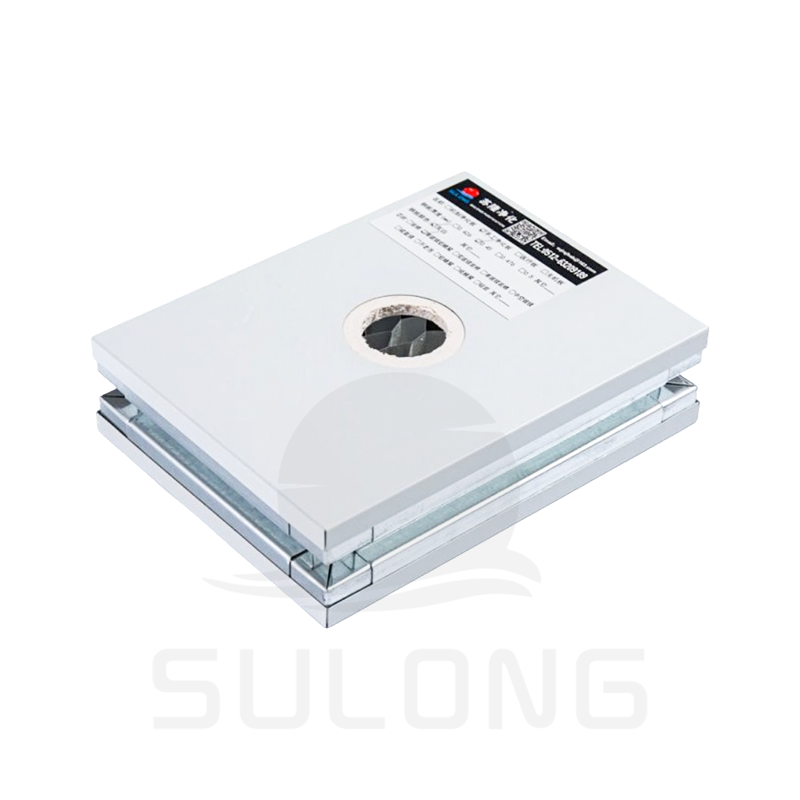
Aluminum honeycomb cores offer the highest structural rigidity-to-weight ratio of any cleanroom panel core, making them the preferred specification for large-span ceiling panels or raised cleanroom floor systems where deflection under load must be minimized. Their all-metallic construction also eliminates the risk of organic outgassing that can affect sensitive semiconductor processes.
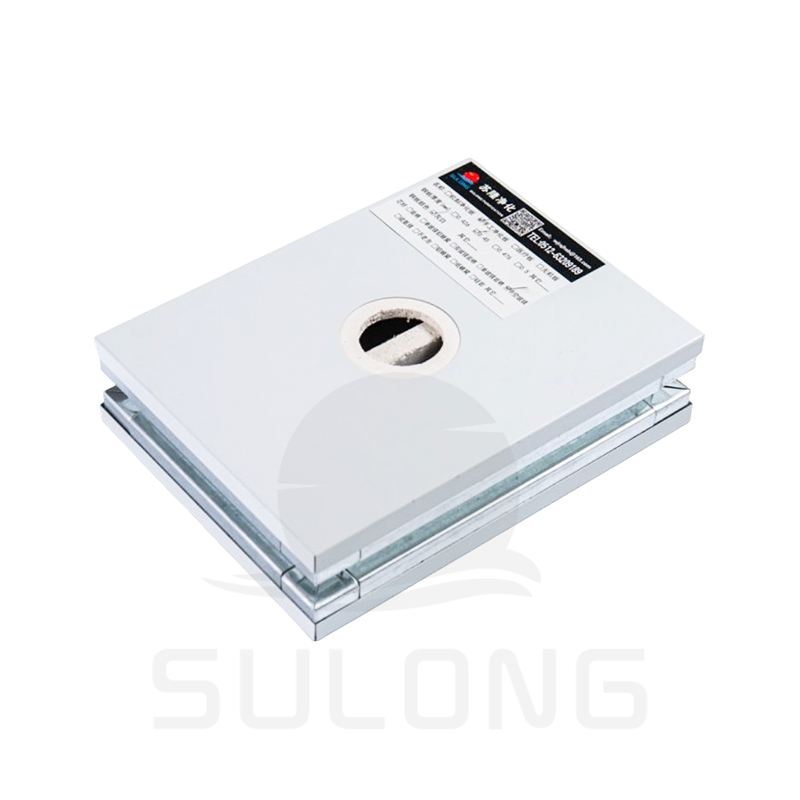
Paper honeycomb cores provide a cost-effective lightweight solution for non-structural internal partition applications where fire resistance requirements are moderate and weight reduction is a design priority.
Applications Where Handmade Panels Excel
Handmade cleanroom panels are particularly valued in retrofit and renovation projects, where existing structural dimensions rarely align with standard panel module sizes. Pharmaceutical facility upgrades, hospital operating theater renovations, and electronics factory expansions frequently rely on handmade panels to achieve precise fits without the significant waste associated with field-cutting machine-made panels. The ability to specify customized dimensions from the factory, rather than relying on site modification, also produces cleaner, more reliable sealed joints — a critical advantage in contamination-controlled environments.


