
 Call us :
  Mail us to:


 English
 中文简体
中文简体

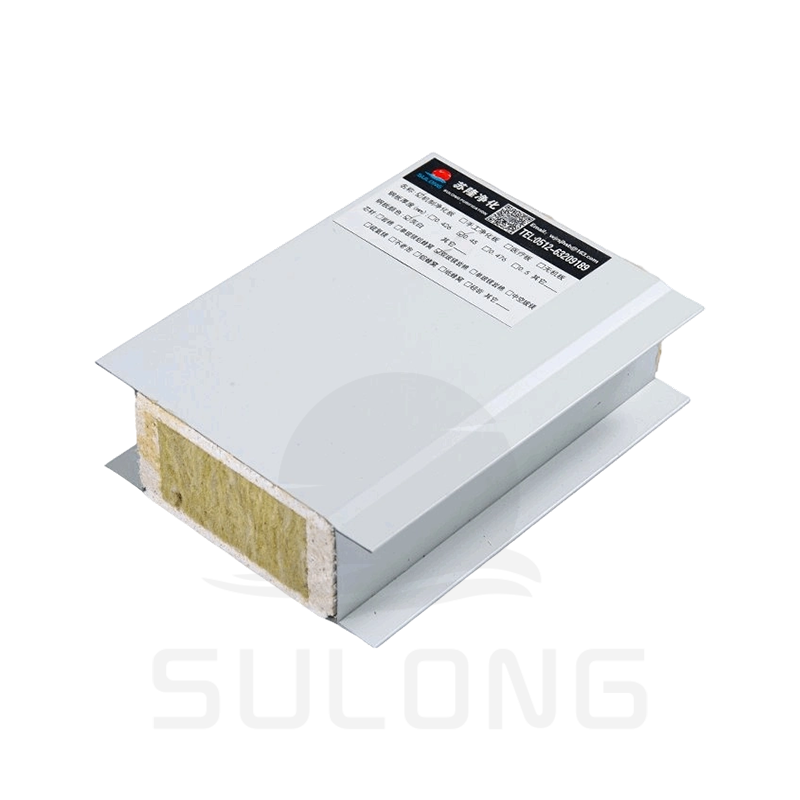
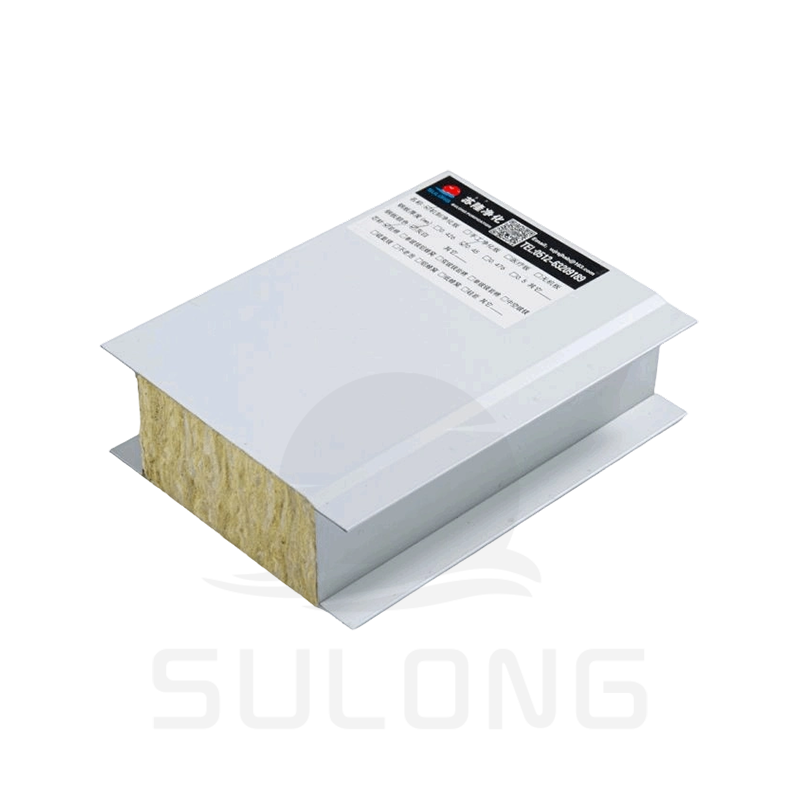
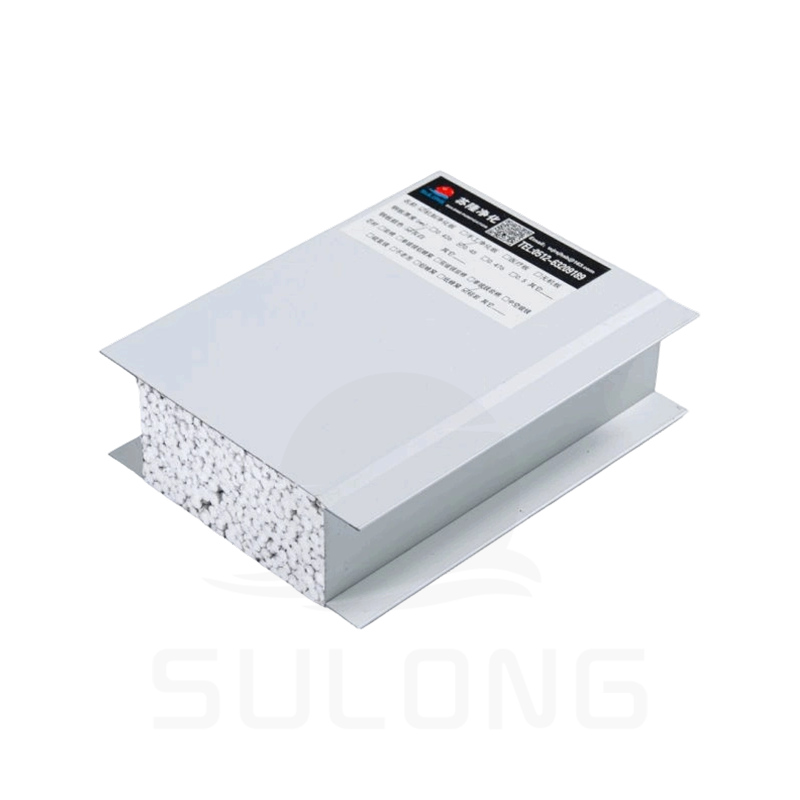
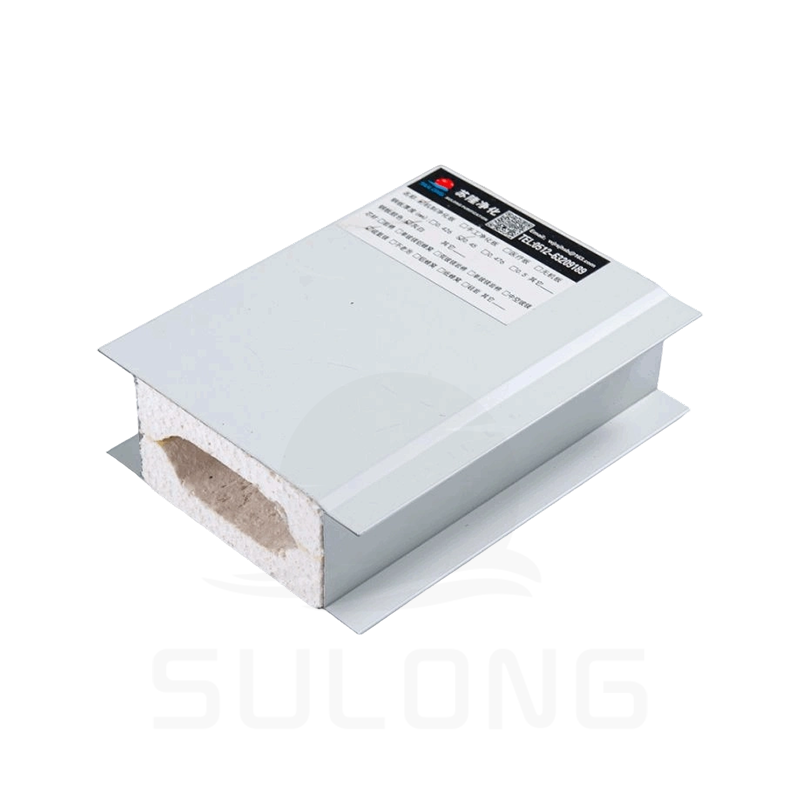
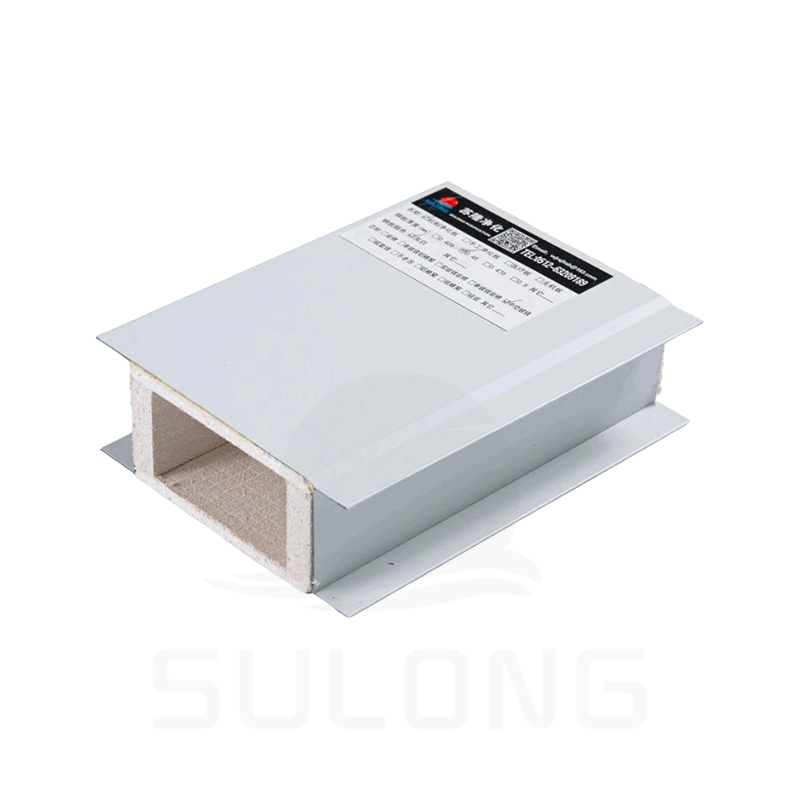
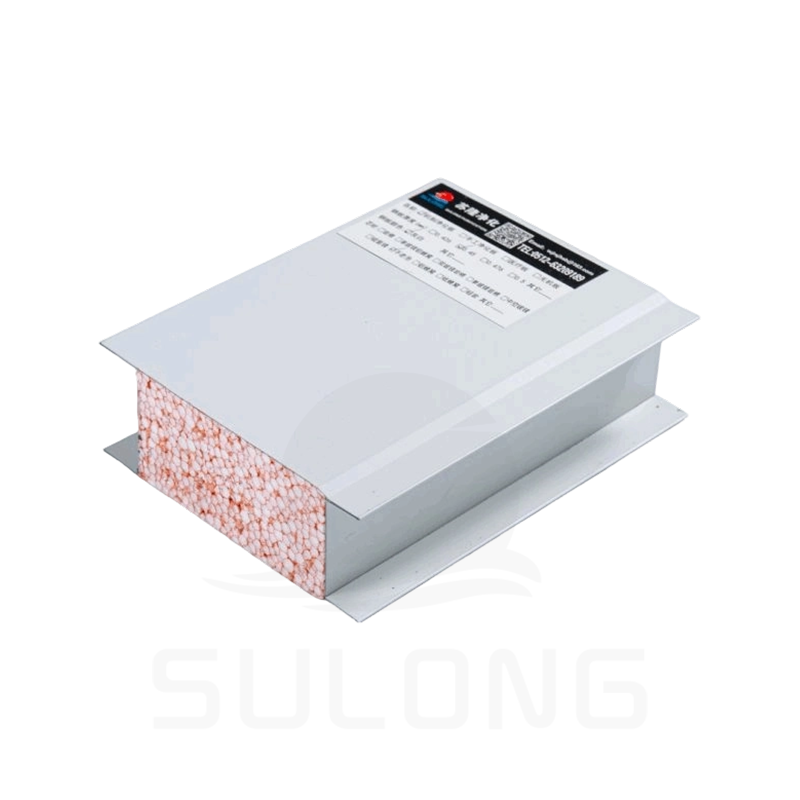
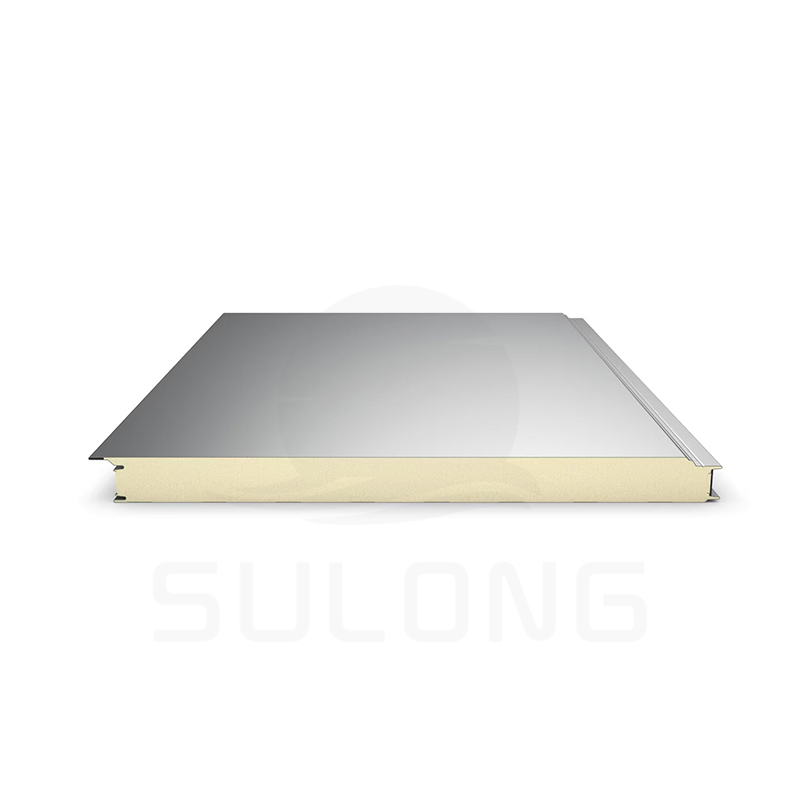
Machine-made Cleanroom Sandwich Panels: How Continuous Production Technology Delivers Consistency at Scale
Machine-made sandwich panels — also referred to as continuous line panels or machine-pressed panels — represent the industrialized evolution of cleanroom enclosure technology, offering a manufacturing precision and output volume that handmade methods cannot match. Understanding the technical basis of machine-made panel production and its practical implications for cleanroom construction projects helps procurement teams and facility designers make informed specification decisions.
The Continuous Production Process
Machine-made sandwich panels are produced on continuous lamination lines where two steel or composite face sheet coils are simultaneously unrolled, roll-formed into the desired cross-sectional profile, and mechanically or adhesively bonded to a core material that is either introduced as a pre-formed sheet (rockwool slabs, glass magnesium board sheets) or injected and foamed in situ (polyurethane, PIR foam). The continuous nature of the production line ensures that core density, adhesive distribution, and face-to-core bond strength are highly uniform along the entire panel length — a level of consistency that is difficult to replicate in batch-process handmade production.
The continuous line also applies controlled consolidation pressure during bonding, which is particularly critical for polyurethane and PIR foamed core panels. Consistent foam density throughout the panel cross-section is essential for achieving the thermal resistance and compressive strength values specified in product certifications, and continuous line production provides the mechanical control needed to maintain these parameters within tight tolerances.
PIR vs. PU Core: A Critical Distinction for Cleanroom Applications
Machine-made panels with polyurethane (PU) and polyisocyanurate (PIR) foam cores are frequently confused in procurement specifications, but their performance differences are significant. Standard PU foam has a relatively low limiting oxygen index and can support combustion, making it unsuitable for applications requiring Class B1 or better fire resistance without intumescent coatings or additional protection measures.
PIR foam, produced by modifying the PU reaction chemistry to achieve a higher proportion of isocyanurate linkages in the polymer network, offers substantially improved fire resistance — including significantly higher limiting oxygen index, lower smoke generation, and better structural retention under heat exposure. PIR panels are the preferred specification for cleanroom applications in pharmaceutical facilities, data centers with clean zones, and any environment where building fire codes require Class B1 or Class A fire performance from partition systems.
The thermal insulation performance of machine-made PIR panels is also superior to mineral wool alternatives at equivalent panel thicknesses, making them the preferred choice for temperature-controlled cleanrooms and cold-chain pharmaceutical production environments.
Structural Performance and Span Capability
One of the key engineering advantages of machine-made panels is their ability to achieve longer unsupported spans than handmade panels of equivalent thickness. The continuous-line roll-forming process creates precision-geometry cross-sectional profiles — typically micro-ribbed or micro-corrugated patterns — in the face steel that significantly increase the panel's second moment of area and flexural rigidity compared to flat face sheets. This structural efficiency allows machine-made panels to span greater distances between support members, reducing the density of the structural framing system and lowering overall cleanroom construction costs.
For large-footprint cleanrooms — semiconductor fabs, battery cell manufacturing facilities, and large-scale pharmaceutical production halls — the ability to minimize the number of intermediate structural columns and wall supports is both a functional and economic advantage.
Standardization as a Quality Assurance Tool
For large-scale cleanroom construction projects, the dimensional consistency of machine-made panels offers significant quality assurance advantages. When all panels in a project are produced from the same continuous production run with the same core density, face sheet thickness, and edge profile geometry, the assembled enclosure is inherently more dimensionally accurate and requires less field adjustment — reducing the risk of joint gaps that could compromise air leakage performance and the cleanroom's ability to maintain positive pressure differentials.


