
 Call us :
  Mail us to:


 English
 中文简体
中文简体

Product Knowledge
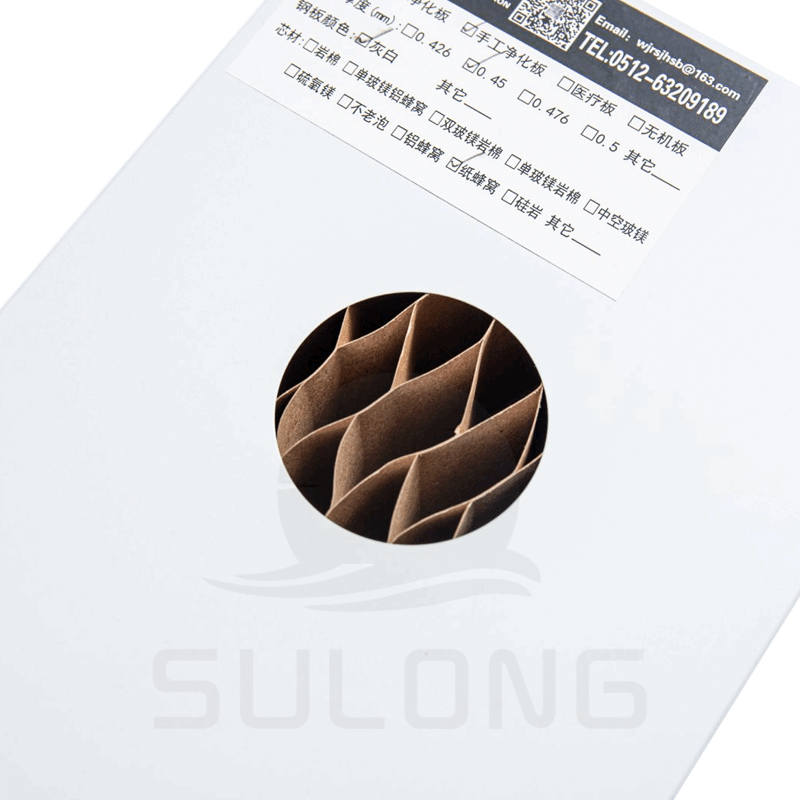
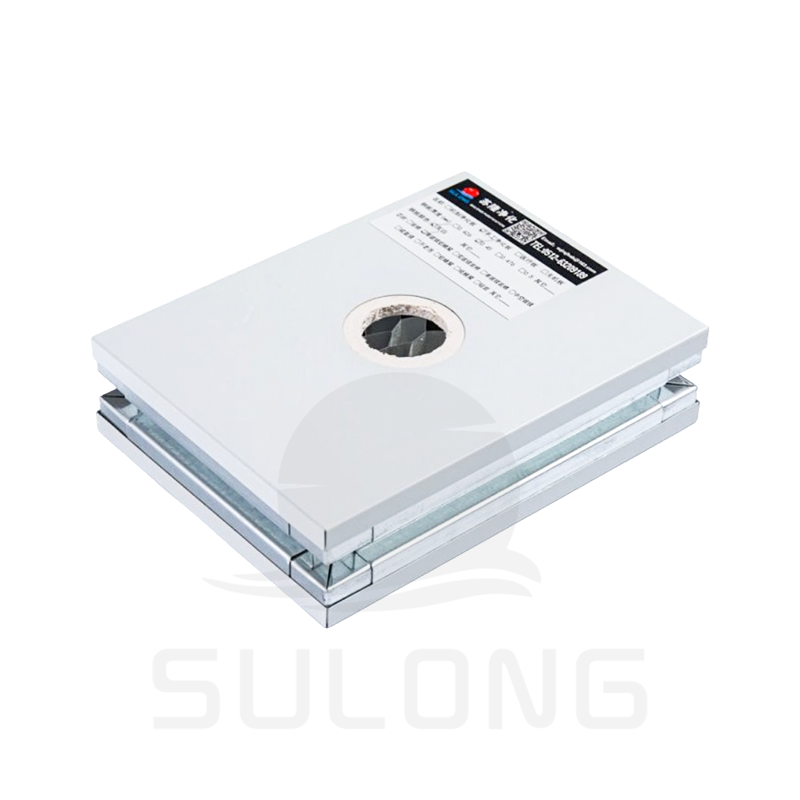
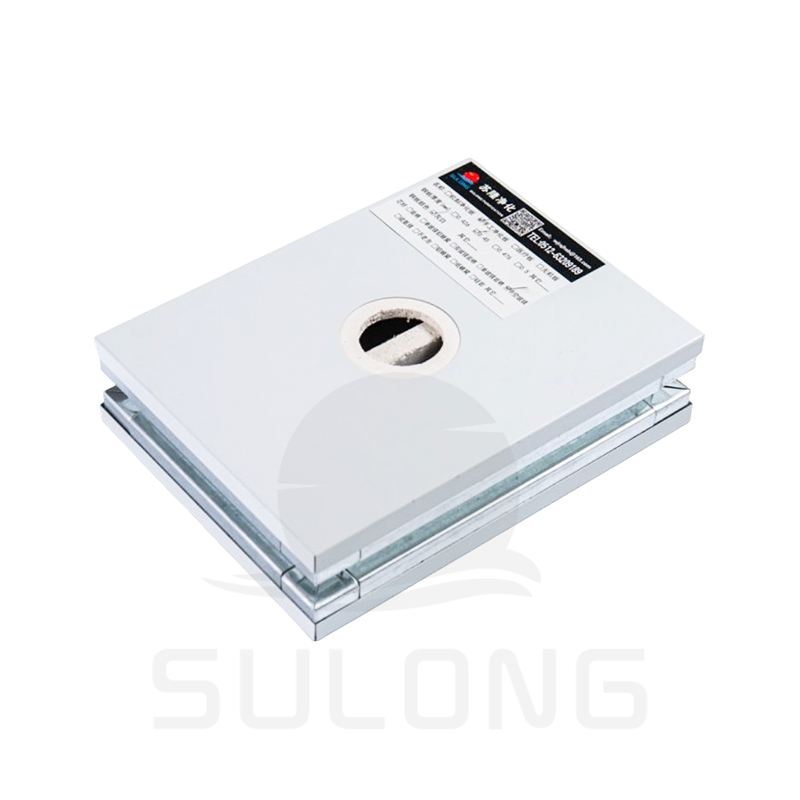
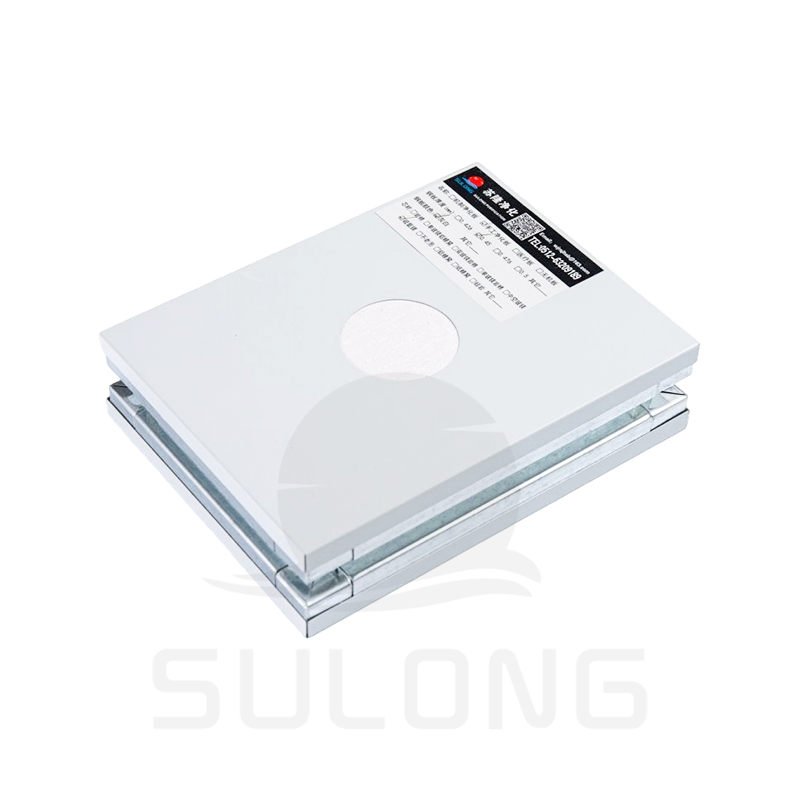
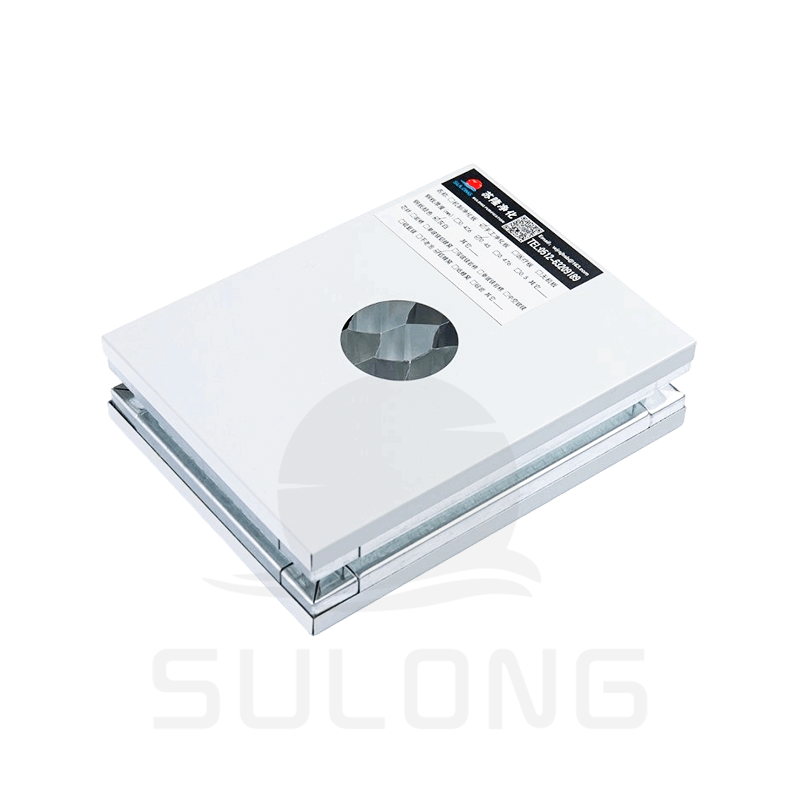
Paper Honeycomb Core Engineering: Cell Geometry, Density, and What They Control
The structural behavior of a paper honeycomb core is governed by two independent geometric variables: cell size (the diameter of the inscribed circle within each hexagonal cell) and paper basis weight (the mass per unit area of the kraft paper from which the cells are formed). Cell size in commercial honeycomb cores for panel applications typically ranges from 10 mm to 50 mm, and this single parameter has a disproportionate influence on both compressive strength and surface flatness. Smaller cells — 10 to 15 mm — provide a denser support grid that resists face sheet indentation under concentrated point loads and produces better surface flatness by reducing the unsupported span between cell walls. Larger cells — 30 to 50 mm — reduce core weight further and lower material cost, but sacrifice compressive strength and allow greater face sheet deflection between support points, which manifests as visible waviness in raking light on finished panels.
Paper basis weight, typically expressed in gsm (grams per square meter), determines the cell wall thickness and therefore the core's resistance to cell wall buckling — the primary failure mode under compressive load. Cores produced from 90–120 gsm kraft paper achieve compressive strengths in the range of 0.3–0.8 MPa, suitable for wall partition and ceiling panel applications where distributed loads dominate. Higher basis weights (150–200 gsm) increase compressive strength toward 1.2–2.0 MPa and are used in flooring panels or applications with significant point loads such as equipment base panels or raised-floor tiles. Specifying core density — expressed as kg/m³ for the complete honeycomb structure including cell walls and enclosed air — provides a single specification parameter that encapsulates both variables and enables meaningful comparison between different suppliers' products.
How Paper Honeycomb Achieves a High Strength-to-Weight Ratio — and Where That Ratio Has Limits
The strength-to-weight efficiency of honeycomb sandwich construction is a well-established principle in structural engineering: by separating two stiff face sheets with a low-density core, the assembly achieves bending stiffness and strength values that a solid panel of equivalent weight cannot approach. For paper honeycomb specifically, the relevant comparison is against solid board materials — particleboard, MDF, solid gypsum — at equivalent panel thickness. A 50 mm thick paper honeycomb panel with 0.5 mm steel face sheets weighs approximately 12–15 kg/m², while a solid particleboard panel of the same thickness weighs 37–42 kg/m². Despite weighing roughly one-third as much, the honeycomb panel has significantly higher bending stiffness because its face sheets are positioned at the maximum distance from the panel's neutral axis, where bending stresses are highest — exactly where material contributes most efficiently to stiffness.
The limits of this efficiency are equally important to understand for correct specification. Paper honeycomb cores have poor resistance to moisture: kraft paper absorbs water and loses a large fraction of its compressive strength when wet, with typical wet compressive strength falling to 15–30% of dry values depending on paper treatment and resin impregnation. This moisture sensitivity restricts paper honeycomb panels to dry interior applications where the panel will not be exposed to sustained humidity above 70–80% RH, liquid water contact, or condensation. It also means that cut edges — where the kraft paper cells are exposed — must be sealed with appropriate edge banding or solid inserts before installation, since open cell edges provide a direct pathway for moisture ingress into the core. Our handmade paper honeycomb sandwich panels are configured with sealed edges and compatible face sheet coatings that protect the core under normal interior service conditions, and we specify them for general cleanroom areas and office partitions where these moisture conditions are reliably controlled.
Face Sheet Selection for Paper Honeycomb Panels: Matching Coating to Environment
In a paper honeycomb sandwich panel, the face sheet performs a dual role: it provides the structural bending resistance of the composite system and it protects the moisture-sensitive core from environmental exposure. The face sheet coating selection therefore has consequences beyond surface appearance — it determines the panel's suitability for specific interior environments and governs the long-term integrity of the underlying honeycomb.
Polyester-Coated Color Steel
Standard polyester (PE) coated color steel is the most economical face sheet option and performs well in dry interior environments — office partitions, general storage areas, and non-process cleanroom spaces where cleaning is infrequent and involves only mild agents. PE coatings provide adequate resistance to incidental cleaning with neutral detergents and light IPA wipes, but are susceptible to surface degradation from strong solvents, concentrated acids or alkalis, and abrasive cleaning pads. Surface gloss loss and micro-cracking under aggressive chemical exposure allows moisture to reach the zinc metallic sublayer, potentially initiating corrosion pathways toward the panel edge and eventually into the core. For spaces requiring frequent cleaning or chemical disinfection, upgrading to PVDF or epoxy-based topcoats provides substantially better chemical resistance at modest cost premium.
PVDF (Fluorocarbon) Coated Steel
Polyvinylidene fluoride coatings at 70% fluoropolymer content offer exceptional resistance to UV degradation, chemical cleaning agents, and surface abrasion. The strong C–F bonds in the PVDF polymer backbone resist oxidative attack and maintain coating integrity across the full range of disinfectants commonly used in pharmaceutical and food-grade cleanrooms, including hydrogen peroxide solutions, quaternary ammonium compounds, and dilute hypochlorite. For paper honeycomb panels used in cleanroom applications — where regular scheduled disinfection is part of the facility SOPs — PVDF face sheets extend the period before coating micro-damage creates moisture ingress risk and protect the paper core over a cleaning-intensive service life.
Anti-Fingerprint and Matte Finishes
In office partition and commercial interior applications, high-gloss coatings show fingerprints, smudges, and minor surface marks prominently, increasing perceived maintenance burden. Anti-fingerprint coatings — typically applied as a thin hydrophobic silica-based or fluorine-modified topcoat over the base polyester layer — reduce the adhesion of oils and particulates to the steel surface, making the panel visually cleaner between wiping intervals and improving the effectiveness of dry wiping for daily maintenance. Matte finish coatings in the 15–30 GU (gloss units) range additionally reduce the prominence of minor surface imperfections such as very slight oil-canning or joint shadow lines, contributing to a higher-quality perceived surface quality in office environments.
Comparing Paper Honeycomb Panels to Competing Lightweight Panel Systems
Paper honeycomb panels compete in the lightweight interior panel segment against aluminum honeycomb steel panels and foam-core (polyurethane or EPS) panels. Each system has a distinct performance and cost profile, and understanding the trade-offs guides appropriate specification for different project types and budget constraints.
| Criterion | Paper Honeycomb Steel Panel | Aluminum Honeycomb Steel Panel | Polyurethane Foam Core Panel |
| Typical Weight (kg/m²) | 10 – 16 | 10 – 18 | 10 – 14 |
| Surface Flatness | Good — uniform cell support | Excellent — highest flatness consistency | Moderate — cell heterogeneity risk |
| Moisture Resistance (core) | Low — kraft paper absorbs water | High — aluminum unaffected | Moderate — closed-cell limits absorption |
| Fire Reaction Class | B–C (paper is combustible) | A1 — fully non-combustible | B–E (organic foam) |
| Relative Material Cost | Low | High | Moderate |
| Eco-Friendliness | High — recyclable paper core | High — recyclable aluminum | Low — non-recyclable foam |
| Thermal Insulation | Moderate — still air in cells | Moderate — still air in cells | Good — low λ foam |
The comparative analysis positions paper honeycomb panels as the cost-effective choice for dry interior applications in general cleanroom areas and office environments where non-combustibility is not a mandatory code requirement and moisture exposure is controlled. Where fire regulations require Class A non-combustible panels — high-rise buildings, pharmaceutical GMP facilities, or buildings with occupancy-driven insulation restrictions — aluminum honeycomb steel panels are the appropriate upgrade path, with the paper honeycomb system remaining suitable for non-regulated interior zones within the same project.
Understanding Fire Behavior of Paper Honeycomb Panels and Where They Can Be Used
Kraft paper — the raw material for paper honeycomb cores — is an organic cellulosic material that will ignite, contribute heat to a fire, and produce smoke when exposed to sufficient heat source. This is a physical reality of the material that any honest product specification must acknowledge. The fire behavior of a paper honeycomb steel panel in a building fire is therefore fundamentally different from that of a fully inorganic panel system, and regulatory compliance depends on matching the panel's fire classification to the building and occupancy requirements of the specific application.
The steel face sheets enclosing the paper core significantly delay the onset of core ignition in a fire scenario. Steel is an excellent thermal conductor but also a radiant heat reflector at the surface, and the thin face sheets act as a physical barrier that prevents direct flame contact with the paper core unless the face sheets are breached or panel edges are exposed to flame. In standard cone calorimeter testing per ISO 5660, the heat release profile of a steel-faced paper honeycomb panel differs substantially from that of an unprotected paper board of equivalent mass — the steel face delays ignition onset and moderates the peak heat release rate. However, once the face sheet is compromised by fire exposure — through buckling, joint failure, or edge ignition — the paper core burns progressively and contributes to fire spread.
Practical code compliance for paper honeycomb panels therefore depends on the specific building type and occupancy. Chinese building codes (GB 50016) and equivalent international frameworks typically permit combustible insulation in low-rise commercial and industrial buildings (generally below 24 meters) subject to specific area and compartmentation requirements, but prohibit it in high-rise buildings, healthcare facilities, and other high-risk occupancies. For general cleanroom areas in single-story or low-rise industrial or commercial buildings — exactly the primary application context for our paper honeycomb sandwich panels — these code frameworks typically permit their use subject to compliance with compartment size, sprinkler provision, and egress distance requirements that a qualified fire engineer should verify for each project.
Optimizing Installation Speed: Pre-Planning Steps That Make the Difference
The fast installation characteristic of paper honeycomb panels — derived from their light weight enabling single-person handling and their dimensionally consistent factory manufacture enabling predictable fit-up — is only fully realized when the pre-installation preparation work is completed properly. Projects where installation speed becomes a problem almost always trace the root cause to preparation steps that were compressed or skipped, not to the panels themselves. Understanding which preparation activities directly gate installation speed allows project managers to allocate time and supervision resources to the steps that matter most.
The single most impactful preparation step is substrate survey and correction. Panel systems install at consistent speed when the substrate — floor slab, structural columns, ceiling soffit — is within the adjustment range of the panel fixing system. When the substrate has deviations exceeding this range, installers slow dramatically as each panel requires individual shimming, packing, or cutting to compensate for substrate irregularity rather than being fixed at production rate. Surveying the substrate with a laser level before installation begins, and correcting deviations by grinding high spots or applying leveling compound to low spots, is time spent that recovers itself many times over in installation productivity.
- Confirm all door frame, window frame, and service penetration positions from coordinated drawings before any panels are ordered — late changes to penetration locations after panels are delivered require field cutting that slows installation and requires edge sealing of cut cores before panels can be fixed.
- Pre-install floor tracks, ceiling tracks, and column clips to a verified alignment before the first panel arrives on site; installing tracking systems and panels simultaneously in the same work zone creates congestion and sequence conflicts that reduce both operations' efficiency.
- Stage panels in the correct installation sequence within each room before beginning fixing — retrieving out-of-sequence panels from a site stack repeatedly adds non-productive time that accumulates significantly across a large panel count installation.
- Verify sealant cartridge and dispenser gun availability before each installation session; running out of sealant mid-joint and waiting for resupply forces the installer to leave a partially sealed joint open, which must be re-cleaned and re-primed before the sealant application can be completed correctly.
- For multi-room projects, complete each room fully — panels fixed, sealant applied, edge trims installed — before moving to the next room, rather than tracking across all rooms simultaneously; task switching between rooms increases setup time per room and makes quality inspection more difficult to manage.
Maintenance Practices That Extend Panel Service Life in General Cleanroom and Office Environments
The ease of maintenance cited for paper honeycomb panels depends on adopting cleaning practices that are appropriate for the steel face sheet coating rather than applying generic cleaning approaches that degrade the surface over time. Coated steel faces are durable but not indestructible, and the most common cause of premature surface degradation in panel installations is not panel failure but inappropriate cleaning chemistry or abrasive technique that progressively damages the protective coating, reducing its effectiveness and ultimately exposing the underlying steel to corrosion.
Routine daily cleaning of polyester-coated panels in general cleanroom or office environments should use pH-neutral aqueous cleaning solutions applied with soft microfibre cloths or mop systems. Microfibre materials remove surface contamination mechanically rather than chemically, allowing effective cleaning with very low chemical concentration — which reduces both chemical cost and coating attack. Abrasive cleaning pads, scouring powders, and steel wool are incompatible with any factory-applied coated steel surface and will visibly scratch the coating after a single use, creating sites for moisture infiltration and coating delamination that are irreversible without full panel replacement.
Disinfection protocols in general cleanroom areas typically involve IPA (isopropanol) at 70% concentration or QAC (quaternary ammonium compound) solutions at label dilution. Both are compatible with polyester and PVDF coated steel surfaces under normal use, but concentrated IPA above 90% can cause surface dulling of polyester coatings with repeated application, and QAC solutions should be rinsed rather than left to dry on the surface where residue buildup can eventually cause cosmetic marking. Panel joints — where sealant meets steel face — should be inspected quarterly for sealant cracking, adhesion loss, or discoloration that indicates moisture infiltration beginning; catching and rectifying joint sealant failure at the first sign significantly extends the panel installation's functional life by preventing moisture from reaching the paper core before corrosion or structural degradation begins.


