
 Call us :
  Mail us to:


 English
 中文简体
中文简体

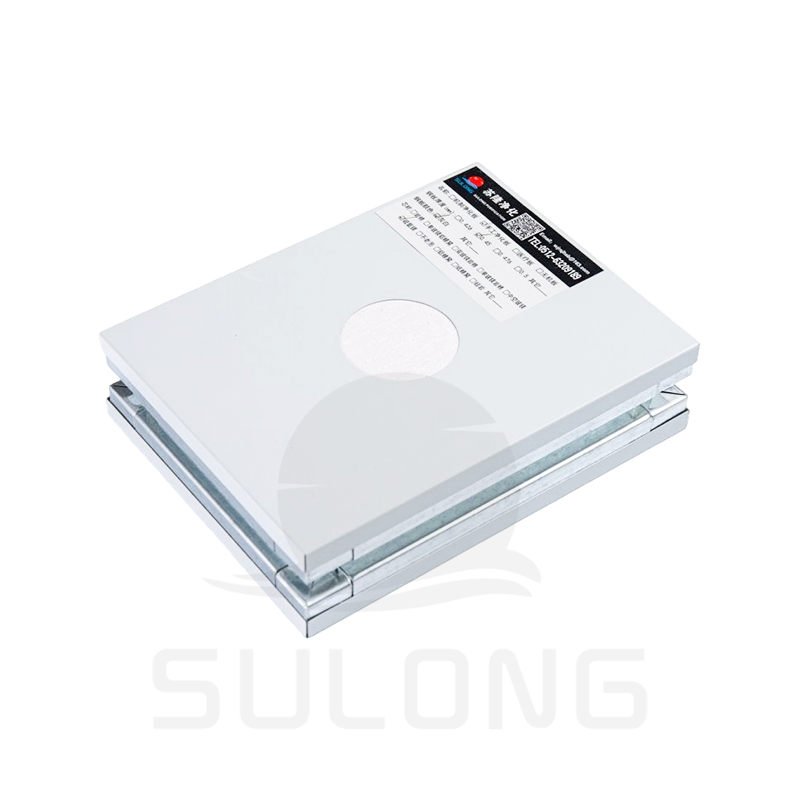
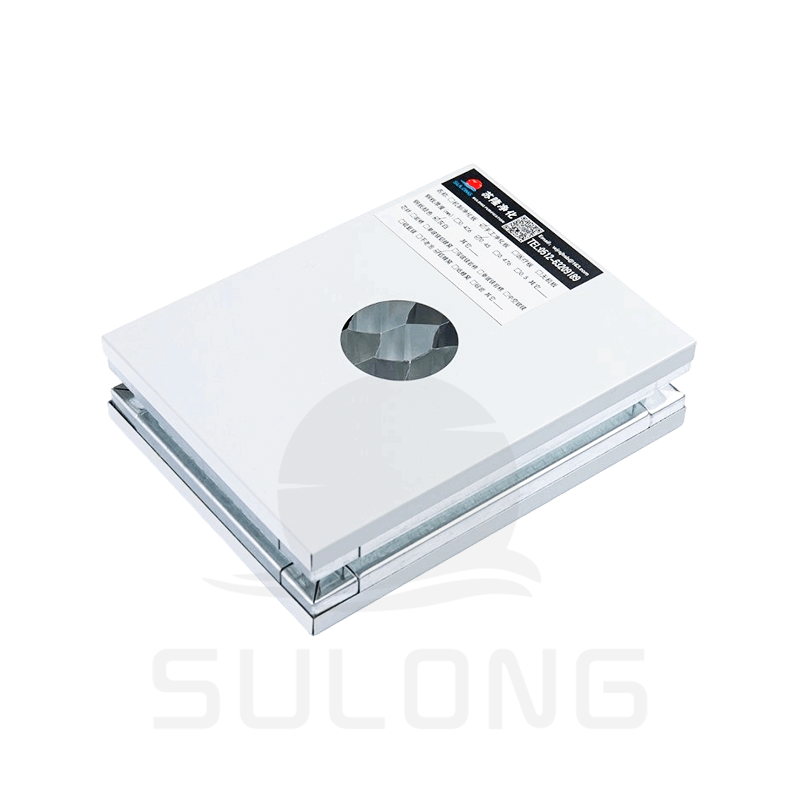
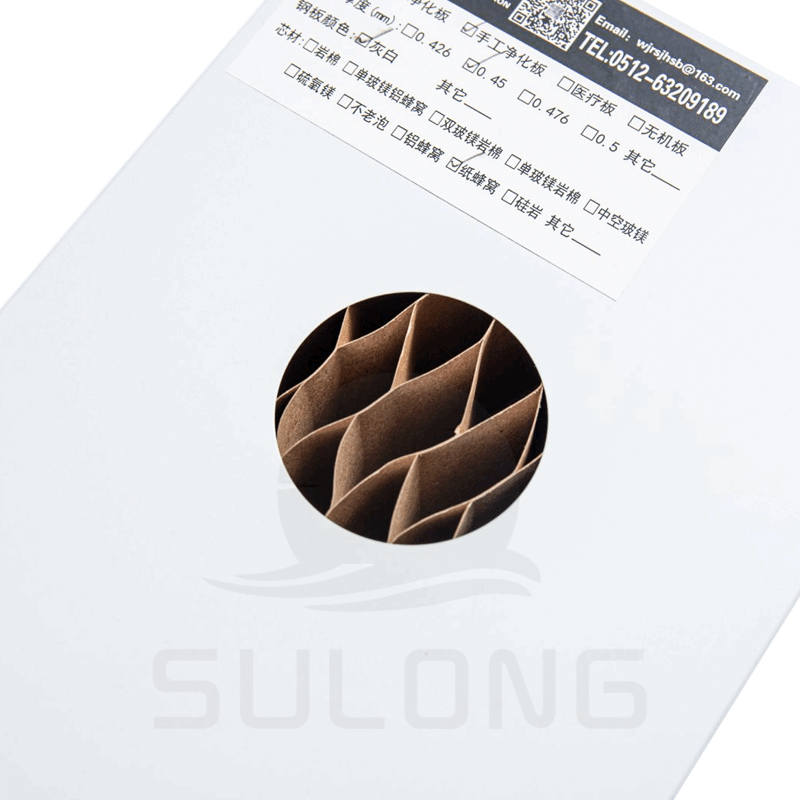
Product Knowledge
Why a Dual-Core System Outperforms Single-Material Insulation in Demanding Environments
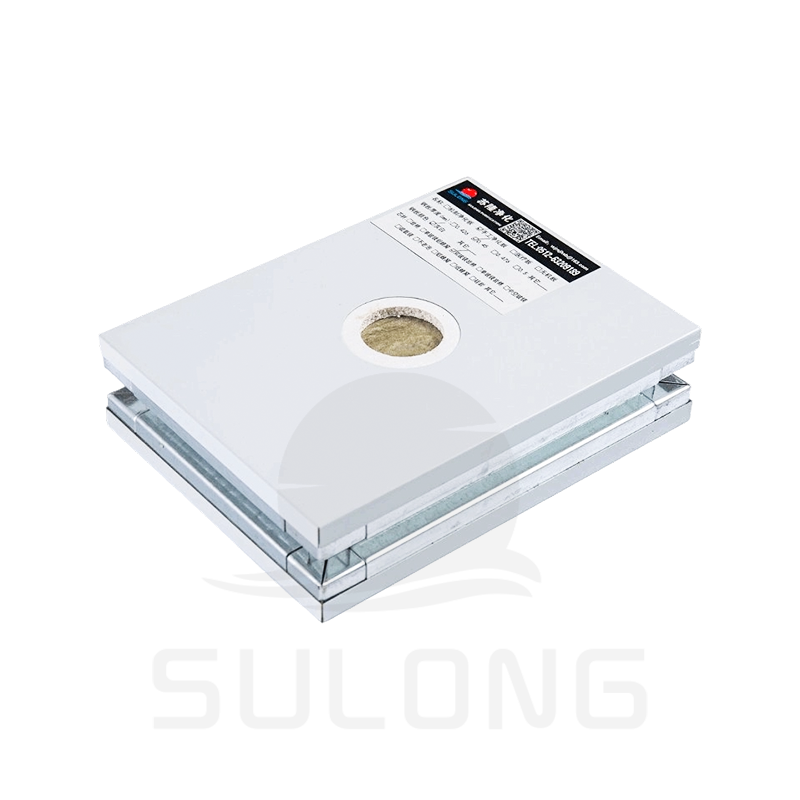
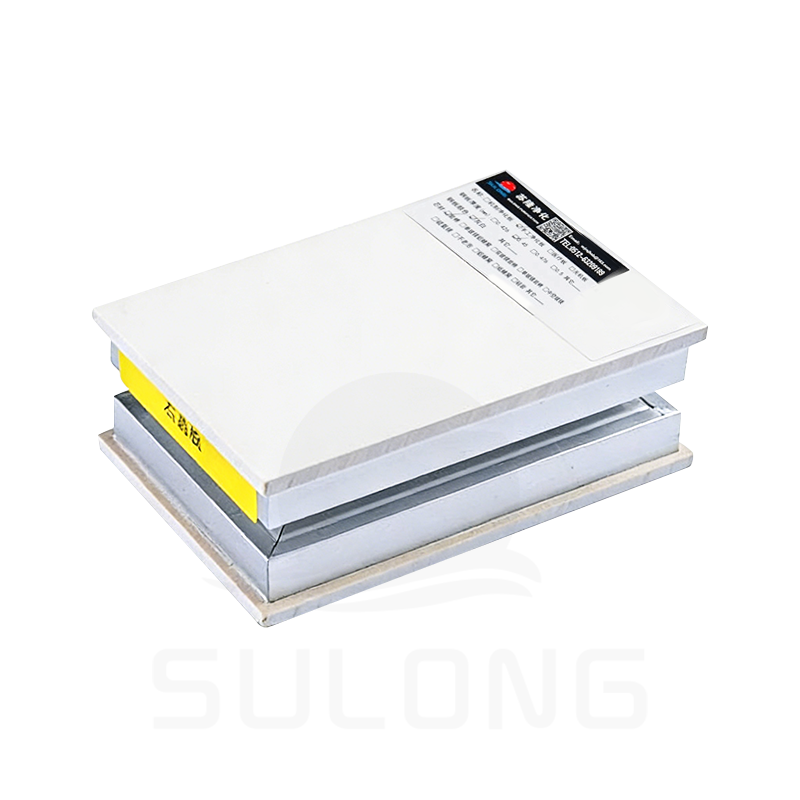
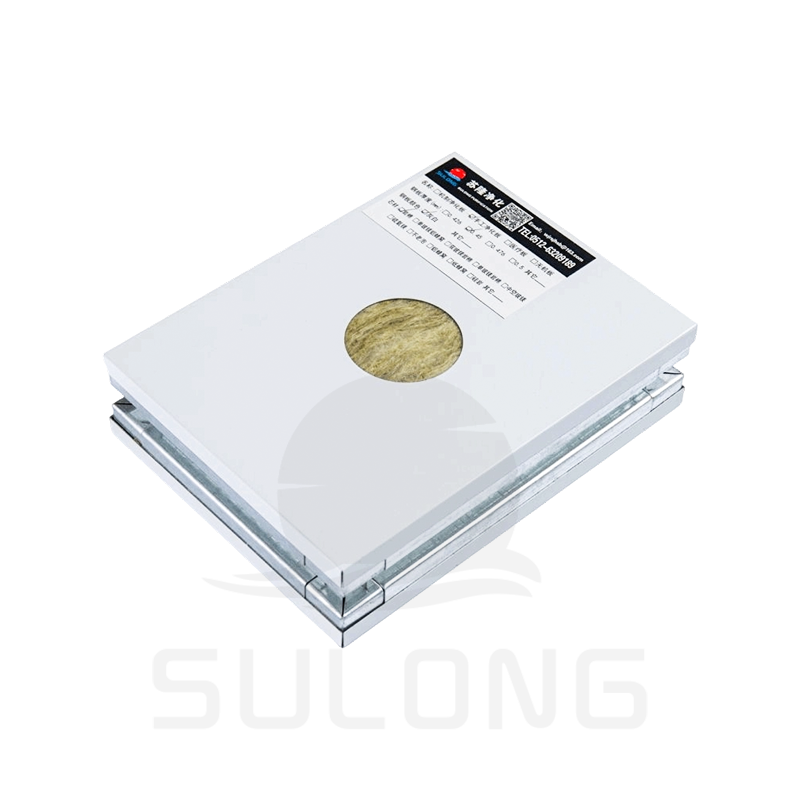
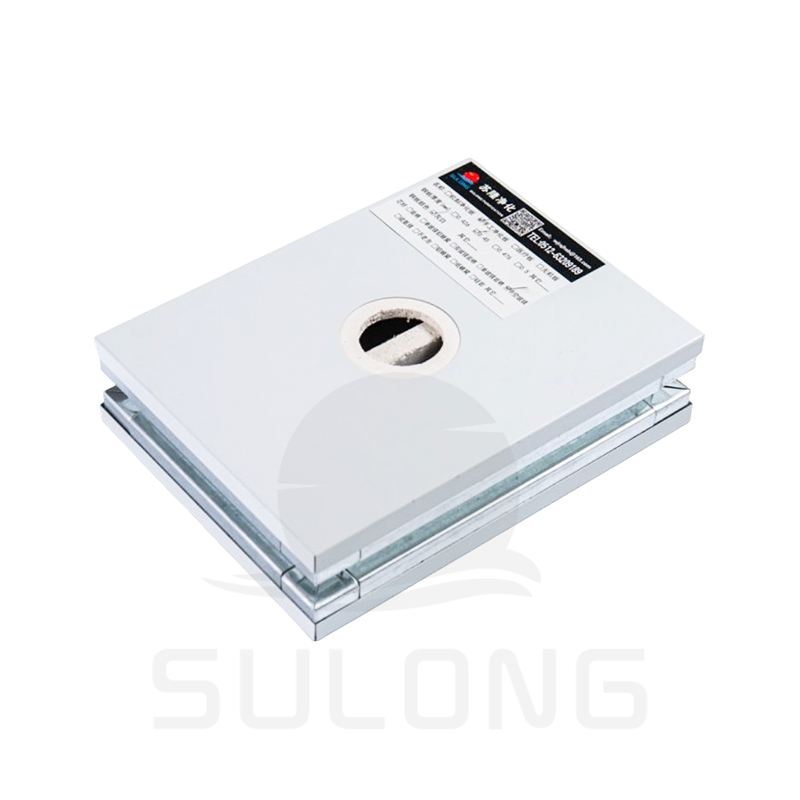
Combining magnesium oxide board and rockwool within a single panel assembly is not simply additive — it is synergistic. Each material compensates for the other's limitations in a way that neither achieves alone. Rockwool's primary strength lies in its thermal and acoustic performance: its fibrous, air-entrained matrix delivers low thermal conductivity (typically 0.033–0.040 W/m·K) and high sound absorption across mid-to-high frequencies. However, rockwool in isolation has limited structural rigidity and is susceptible to compression under point loads, which can locally reduce its insulation thickness and create thermal weak spots. Magnesium oxide board, by contrast, is a rigid, dimensionally stable inorganic panel with excellent compressive strength and fire resistance, but its thermal conductivity (approximately 0.17–0.22 W/m·K) is several times higher than rockwool, making it a poor sole insulator.
In a laminated dual-core configuration, the magnesium oxide boards act as structural facers on either side of the rockwool layer, preventing fiber compression, distributing applied loads, and providing a firm bonding substrate for the steel face sheets. The rockwool layer retains its full lofted thickness under service conditions, maintaining designed thermal resistance without the degradation that occurs when fibrous insulation is compressed by framing pressure or installation stress. This arrangement is particularly relevant in cleanroom and pharmaceutical facility construction, where panel deflection under air pressure differentials must remain within tight tolerances to preserve door seals and penetration gaskets.
Magnesium Oxide Board: Composition, Curing Chemistry, and What Differentiates Quality Grades
Magnesium oxide (MgO) board is produced by combining reactive magnesium oxide with magnesium chloride solution (sorel cement chemistry), reinforced with fiberglass mesh and perlite or sawdust filler. The resulting calcium-free, cement-free matrix cures at ambient temperature through an exothermic crystallization reaction, forming a dense network of magnesium oxychloride phases — primarily Phase 3 (3Mg(OH)₂·MgCl₂·8H₂O) and Phase 5 (5Mg(OH)₂·MgCl₂·8H₂O). Phase 5 is stronger and more moisture-stable than Phase 3, and the ratio between them is a key determinant of board quality. High-grade MgO boards are formulated to maximize Phase 5 content through precise MgO-to-MgCl₂ molar ratio control and controlled curing conditions.
A well-documented issue with lower-grade MgO boards is moisture-related chloride migration: under high ambient humidity, unreacted magnesium chloride can migrate to the board surface or into adjacent materials, causing corrosion of steel fasteners, face sheets, and framing. This phenomenon — sometimes called "sweating" or "weeping" — has been the subject of insurance claims in humid-climate building projects where MgO boards of inconsistent quality were installed. Specifying boards with verified low free chloride content (typically below 0.1% by mass) and confirmed Phase 5 dominance mitigates this risk substantially. For applications in pharmaceutical cleanrooms or electronics facilities where corrosion of sensitive equipment is a critical concern, chloride migration testing per relevant standards should be part of the material acceptance protocol.
PAPU Single-Component Polyurethane Adhesive: Curing Mechanism, Bond Integrity, and Why It Matters at Elevated Temperatures
Single-component polyurethane (PAPU) adhesive cures by reaction with ambient moisture rather than through a two-part mixing process. Atmospheric or substrate moisture initiates an isocyanate-water reaction that generates carbon dioxide and forms a crosslinked polyurea-polyurethane network. This moisture-triggered mechanism is particularly advantageous in sandwich panel production because it allows the adhesive to be applied in a continuous bead or roller coat without a working-time constraint, enabling precise layup of large panel formats before curing begins. The fully cured adhesive layer forms a thermoset polymer network — meaning it does not soften or flow above its original application temperature, unlike thermoplastic adhesives which can creep under sustained load at elevated service temperatures.
The non-melting, non-dripping behavior of cured PAPU adhesive under fire conditions is mechanically significant. In a building fire, adhesive failure in a sandwich panel causes delamination of the face sheet from the core — a failure mode that exposes the core material to direct flame impingement and can dramatically accelerate fire spread through the panel assembly. A thermoset adhesive that carbonizes rather than melts maintains face-to-core contact longer under fire exposure, allowing the panel to function as a thermal barrier for a greater portion of the fire event. This behavior contributes directly to the panel assembly's fire resistance rating and is one reason IMO (International Maritime Organization) standards for marine panels — among the most rigorous fire performance frameworks globally — specify adhesive behavior explicitly as part of type approval testing. Our panels use PAPU adhesive verified against these standards, providing documented assurance that bond integrity is maintained under the conditions that matter most.
Fire Resistance in Composite Panels: How Each Layer Contributes and Where the Weakest Link Lies
Evaluating a composite panel's fire resistance requires understanding how each constituent layer behaves independently and how failure in one layer affects the others. In a double glass magnesium rockwool panel, the fire-side sequence under a standard ISO 834 time-temperature curve proceeds roughly as follows: the color-coated steel face heats rapidly (steel's high thermal diffusivity means it reaches 200°C within the first few minutes), the organic polymer coating burns off, and the zinc or zinc-aluminum metallic coating oxidizes. Beyond approximately 550°C, structural steel begins to lose significant yield strength, and the face sheet may buckle or separate from the core.
Behind the steel face, the PAPU adhesive layer will carbonize rather than melt, maintaining partial bond. The magnesium oxide board layer then serves as the first substantive thermal barrier: its low thermal conductivity and non-combustible inorganic matrix slow heat penetration significantly. The rockwool layer behind it provides additional resistance, with basalt fibers remaining cohesive up to 1000°C+ before softening. The cold-face steel sheet and its coating are typically the last elements to be affected. The overall system fire resistance is therefore not determined by the best-performing layer but by the sequence in which layers fail and whether the assembly maintains its integrity (no through-cracks, maintained smoke seal) for the rated duration.
Understanding this layered failure sequence has a practical implication for installation: any detail that bridges from the fire side to the cold side — fasteners, penetrations, framing members — creates a thermal shortcut that can cause the cold-face temperature to exceed the 140°C average / 180°C peak limits used in standard fire resistance classification before the core layers have been fully taxed. Minimizing metallic thermal bridges at panel perimeters and penetrations is therefore a fire performance issue, not merely an energy efficiency consideration.
Male and Female Frame Systems: Jointing Geometry, Air Tightness, and Cleanroom Pressure Integrity
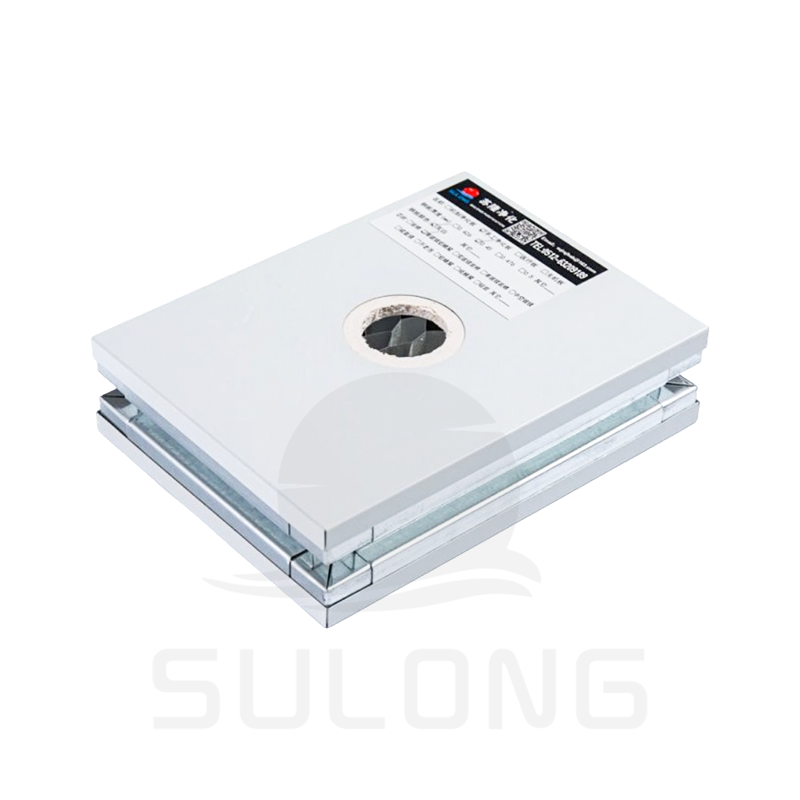
The cold-drawn aluminum alloy male-and-female (tongue-and-groove) frame system used at panel perimeters serves a function beyond simple mechanical connection — it creates a labyrinth seal geometry that significantly reduces air leakage through panel joints compared to open butt joints or simple rabbet profiles. In cleanroom and pharmaceutical facility construction, maintaining the designed air pressure differential between controlled zones (typically +12.5 Pa to +25 Pa positive pressure relative to adjacent spaces) depends critically on the airtightness of the envelope, including wall and ceiling panel joints.
A well-designed male-female profile creates at least two contact lines between mating panels, each of which can receive a continuous bead of sealant or a pre-applied compressible foam gasket. This Handmade Double Glass Magnesium Rockwool Panel means that even if the outer sealant line is damaged or ages, the inner line maintains the pressure boundary. The cold-drawing production process for aluminum profiles produces consistent cross-section dimensions with tight tolerances — typically ±0.1 mm on critical mating surfaces — which ensures uniform gasket compression around the full panel perimeter and avoids the localized gaps that occur when frame profiles vary dimensionally.
Key Performance Attributes of Male-Female Framing
- The interlocking profile transfers in-plane shear between adjacent panels, distributing lateral wind or pressure loads across multiple panels rather than concentrating them at individual fastener points.
- The enclosed joint geometry conceals fastener heads from the room interior, eliminating particle-trapping screw head recesses — a requirement in ISO Class 6 and cleaner environments.
- Aluminum alloy frames resist the alkaline environment created by MgO board moisture migration more reliably than uncoated iron keels, which can corrode at the panel-frame interface if chloride migration occurs.
- The female profile accepts the male tongue with a defined insertion depth, providing a positive stop that controls panel alignment during installation without requiring continuous surveying — accelerating installation speed on large-footprint projects.
Application-Specific Requirements Across Electronics, Pharmaceutical, and Chemical Facility Contexts
Though all three primary application sectors share a need for controlled environments, they impose distinct and sometimes conflicting requirements on panel systems. Understanding these differences allows specifiers to configure panel assemblies — face sheet material, frame type, thickness, and surface finish — appropriately for each context rather than applying a single generic specification.
| Requirement | Electronics / Semiconductor | Pharmaceutical / Cleanroom | Chemical / Fireproof Workshop |
| Fire Rating Priority | Moderate — equipment protection focus | High — GMP facility compliance | Very high — hazardous material proximity |
| Face Sheet Preference | Color-coated steel, ESD-dissipative coating option | Stainless steel 304/316 or PVDF-coated | Chemical-resistant coating or stainless steel |
| Surface Ra Requirement | <1.6 µm to minimize particle trapping | <0.8 µm for GMP Grade A/B zones | Less critical — corrosion resistance prioritized |
| Joint Sealing Focus | ESD continuity across joints | Pressure integrity, coved corners | Chemical resistance of sealant |
| VOC Emission Concern | Very high — semiconductor process sensitivity | High — product contamination risk | Moderate — ventilation typically present |
In chemical industry fireproof workshop applications, the panel's role shifts from contamination control to passive fire compartmentalization. Here, the fire resistance duration — typically EI60 or EI90 (60 or 90 minutes of integrity and insulation maintained) under GB 9978 or EN 1364 testing — becomes the primary specification driver, and panel connections to fire-rated structure must be designed to maintain compartment separation even after the primary panel face has been compromised by fire. Specifying panels with documented fire resistance test reports for the specific assembly configuration, not just the core material's non-combustibility rating, is essential for regulatory approval in these contexts.
Accelerating Construction with Prefabricated Panel Systems: Where Time Is Actually Saved
The claim that sandwich panel systems enable fast construction is accurate but often poorly explained — the time savings are not uniformly distributed across the construction process, and realizing them requires specific planning decisions made well before panels arrive on site. Understanding where the time is genuinely recovered helps project managers allocate supervision resources and sequence trades more effectively.
Where Time Savings Are Real
The largest single time saving occurs in the elimination of wet trades. A traditional block or poured concrete wall system requires formwork erection, pour, strip, cure (minimum 28 days for full strength), and plastering before any finishing can begin. A panel wall system achieves a finished, cleanable surface immediately upon installation — no curing wait, no separate plastering trade, no moisture release into the building that requires drying time before sensitive equipment can be installed. On a 2,000 m² cleanroom project, eliminating the curing and drying phase alone can compress the construction program by six to ten weeks.
Where Time Savings Require Planning
Penetrations for utilities — conduit, pipe sleeves, HVAC grilles, door frames — must be located and sized before panel fabrication if they are to be factory-cut, which is far faster and cleaner than field cutting. Projects where penetration locations are finalized late or changed during construction forfeit this advantage and introduce field-cut panels with edges that require sealing, painting, and inspection before occupancy. Coordinating panel shop drawings with MEP (mechanical, electrical, plumbing) drawings at the design stage is the single highest-leverage planning action for preserving installation speed. Our panels are fabricated to project-specific dimensions and penetration layouts, enabling a level of site coordination that generic stock-size systems cannot support.
Structural substrate readiness is the other critical path item. Panel systems require a plumb, level, and structurally complete substructure — steel frame, concrete slab, or purpose-built channel track — before installation can begin. Projects that commence panel installation before the substrate is fully inspected and corrected will encounter cumulative tolerance errors that manifest as misaligned joints, out-of-plumb wall faces, and door frame geometry problems that are expensive to correct after panels are fixed in place.


