 Home / News / Industry News / Negative Pressure Weighing Booth Explained: Keeping Powder Handling Safe and Contained
2026-07-22
Content
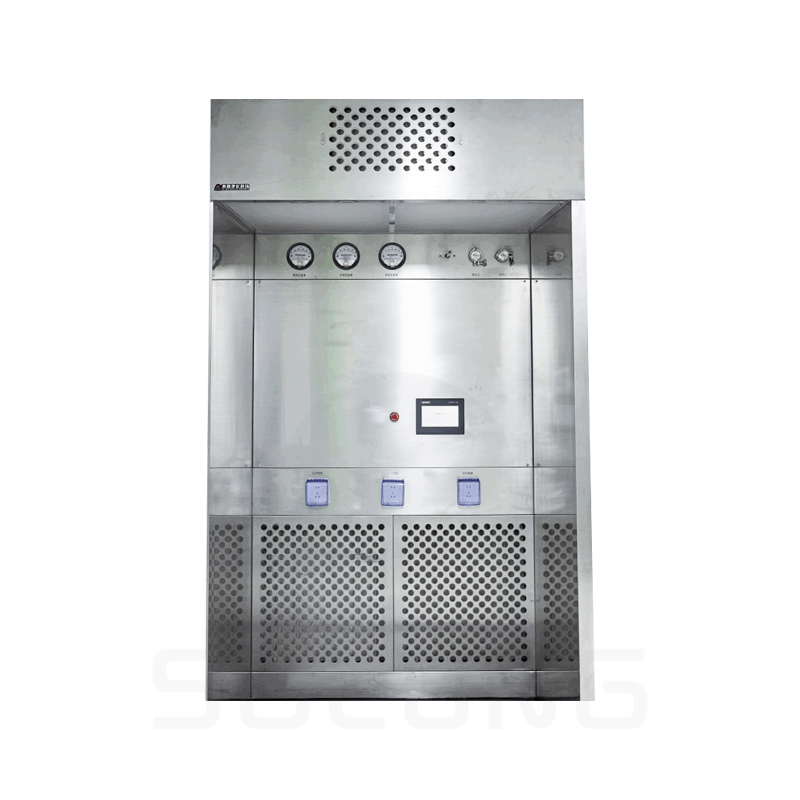
A negative pressure weighing booth is an enclosed workstation designed to contain airborne dust and particulates generated during the weighing, dispensing, or sampling of powders, especially in pharmaceutical, chemical, and food manufacturing environments. The booth works by maintaining air pressure inside the enclosure slightly lower than the surrounding room, which creates a continuous inward airflow that pulls dust and fine particles away from the operator and into a filtration system rather than allowing them to escape into the general workspace. This design protects both workers and the surrounding facility from exposure to potentially hazardous or potent powders, while also protecting the product itself from outside contamination.
In industries handling active pharmaceutical ingredients, fine chemical powders, or allergenic food ingredients, a negative pressure weighing station isn't just a nice-to-have piece of equipment, it's often a regulatory requirement tied directly to worker safety standards and product quality assurance protocols. Understanding how these booths function, the key features to look for, and proper operating procedures can help facilities maintain compliance while protecting their workforce.
The core function of a negative pressure weighing booth relies on a carefully balanced airflow system. Air is continuously extracted from within the booth through a filtration system, typically using HEPA filters capable of capturing extremely fine particulates, while replacement air flows in through the booth's open front or designated intake points. This constant inward flow of air prevents dust generated during weighing or powder transfer from escaping into the surrounding room, since any airborne particles are immediately drawn toward the extraction system rather than dispersing outward toward the operator's breathing zone. The pressure differential between the inside of the booth and the surrounding environment is what gives these systems their name and their protective function.
A complete negative pressure weighing booth system typically includes several essential components working together to achieve reliable containment.
These containment systems are widely used across industries where powder handling poses both worker safety and product quality concerns.
Pharmaceutical facilities frequently rely on negative pressure weighing booths to protect operators from exposure to potent active pharmaceutical ingredients, some of which can be hazardous even in extremely small quantities. These booths are essential during the weighing and dispensing stages of drug manufacturing, where precise measurements must be taken without risking worker exposure or cross-contamination between different compounds.
Facilities handling fine chemical powders, pigments, or industrial additives use negative pressure weighing stations to protect workers from inhalation exposure and to prevent fine dust from creating combustible dust hazards or contaminating other areas of the production facility.
In food production, particularly facilities handling allergenic ingredients like nuts, dairy powders, or gluten-containing flours, negative pressure weighing booths help prevent cross-contamination between different product lines by containing airborne particles that could otherwise settle on equipment or nearby ingredients used in allergen-free products.
Understanding how negative pressure weighing booths compare to other common containment options can help facilities choose the right solution for their specific hazard level and workflow needs.
| Containment Type | Containment Level | Operator Accessibility | Relative Cost |
| Negative Pressure Weighing Booth | High | Good, open front access | Moderate |
| Standard Fume Hood | Moderate | Good | Low to Moderate |
| Isolator/Glovebox | Very High | Limited, glove ports only | High |
| Open Bench with Local Exhaust | Low | Excellent | Low |
Choosing the right negative pressure weighing booth requires evaluating several important factors specific to your facility's operations and the materials being handled.
Different powders and compounds carry different occupational exposure limits, and understanding these thresholds helps determine what level of containment and filtration efficiency your booth needs to provide reliable worker protection.
A quality negative pressure weighing booth should come with documented containment performance data, often verified through smoke visualization testing or particle tracer studies, confirming the booth maintains adequate airflow velocity to contain dust even during active weighing and material transfer operations.
For facilities handling multiple different products or compounds, choosing a booth with smooth, seamless work surfaces and minimal crevices simplifies thorough cleaning between uses, reducing the risk of cross-contamination that could compromise product quality or introduce unexpected exposure risks.
Proper operating procedures are just as important as the equipment itself when it comes to maintaining effective containment. Operators should always verify that the booth's airflow indicators show proper negative pressure before beginning any weighing or dispensing activity, since starting work without confirming adequate containment defeats the purpose of the equipment entirely. Materials should be handled gently and positioned as far back into the booth as practical, since working too close to the front opening can allow turbulent air currents to carry dust past the containment barrier before it's captured by the extraction system. Regular filter inspection and replacement according to the manufacturer's recommended schedule ensures the booth continues to maintain proper airflow and filtration efficiency, since clogged or saturated filters can reduce containment performance even if the fan continues running.
Ongoing maintenance and periodic performance verification are essential to ensure a negative pressure weighing booth continues to meet safety and regulatory requirements over time. Regular calibration and testing of airflow velocity, along with periodic smoke visualization or containment verification testing, helps confirm the booth is performing as designed and hasn't degraded due to filter wear, fan issues, or ductwork problems. Facilities operating under pharmaceutical or food safety regulations should maintain detailed documentation of these tests, along with filter change records and any maintenance performed, since this documentation is often required during regulatory inspections or quality audits.
A negative pressure weighing booth provides a critical layer of protection for facilities handling powders that pose inhalation risks, cross-contamination concerns, or regulatory compliance requirements. By understanding how these booths maintain containment through carefully controlled airflow, evaluating the right filtration and performance specifications for your specific materials, and following proper operating and maintenance procedures, facilities can protect both their workforce and their product quality. Whether you're in pharmaceutical manufacturing, chemical processing, or food production, investing in a properly specified negative pressure weighing station is a practical step toward safer, more compliant powder handling operations.

Follow Us:
 Call us :
  Mail us to:


 English
 中文简体
中文简体