 Home / News / Industry News / What Is a Laminar Flow Hood and How Does It Keep Your Work Contamination-Free?
2026-08-05
Content
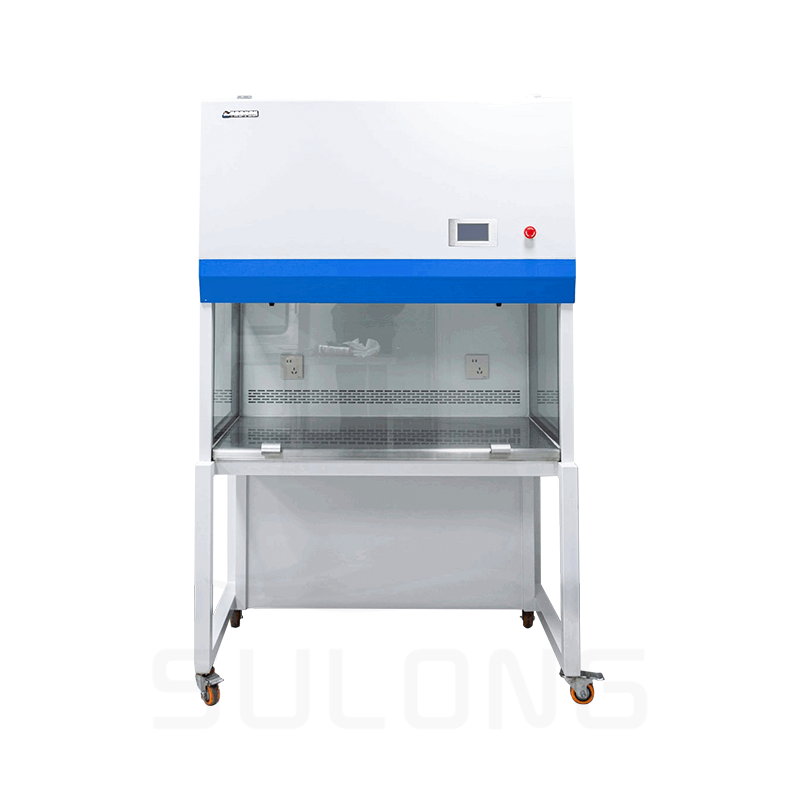
A laminar flow hood is a controlled workspace enclosure that filters air and directs it in a smooth, unidirectional stream across a work surface to protect sensitive materials, samples, or products from airborne contamination. Inside the unit, air passes through a HEPA or ULPA filter before flowing steadily across the work area, either horizontally or vertically depending on the hood's design. This continuous, filtered airflow sweeps away dust, particles, and microorganisms, creating a clean environment ideal for tasks that require precision and contamination control.
Laminar flow hoods are widely used in laboratories, pharmaceutical compounding, electronics assembly, and other settings where even microscopic contamination can compromise results or product quality. Unlike biosafety cabinets, which are designed to protect the operator from hazardous materials, a laminar flow hood primarily protects the work or product itself, making it essential equipment for tasks like sterile compounding, cell culture preparation, and precision electronics work.
Laminar flow hoods come in two primary airflow configurations, and choosing the right one depends on the specific application and safety requirements involved.
| Feature | Horizontal Laminar Flow Hood | Vertical Laminar Flow Hood |
| Airflow direction | Flows from back to front across the work surface | Flows downward from the top of the cabinet |
| Best suited applications | Electronics assembly, non-hazardous sample handling | Pharmaceutical compounding, sterile preparation |
| Operator exposure risk | Higher, air blows toward the operator | Lower, airflow directed downward and away |
| Sample protection level | Excellent | Excellent |
Understanding the core components helps explain how a laminar flow hood consistently maintains a clean, controlled work environment.
Because of their ability to maintain a particle-free work environment, laminar flow hoods are used across a wide range of industries and research settings.
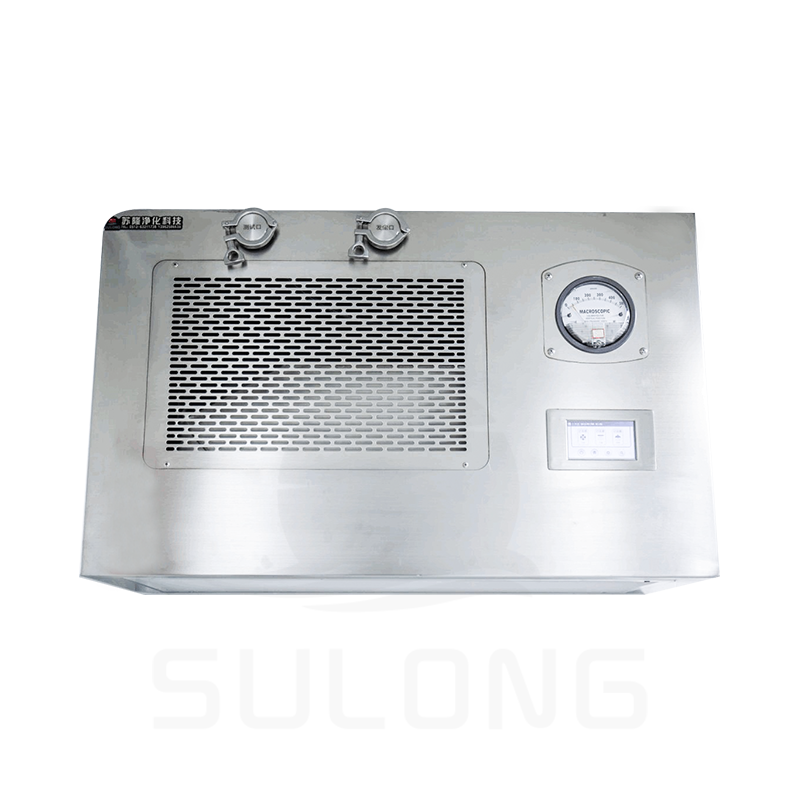
Selecting the correct laminar flow hood involves matching the unit's specifications to your specific application and safety requirements.
Choose horizontal airflow for applications without hazardous materials, or vertical airflow when working with substances that shouldn't blow directly toward the operator.
Confirm the hood uses a HEPA filter rated to capture at least 99.97 percent of particles at 0.3 microns, or a higher-efficiency ULPA filter for applications requiring an even cleaner environment.
Measure the space available in your lab or workspace and confirm the hood's interior dimensions accommodate the equipment and materials you'll be working with regularly.
Routine maintenance is essential for ensuring a laminar flow hood continues to provide consistent, reliable contamination control over time.
Following proper technique when using a laminar flow hood helps preserve its contamination control effectiveness during actual work sessions. Avoid rapid hand movements near the work surface, since sudden motions can disrupt the smooth, unidirectional airflow pattern that keeps particles away from your samples. Keep the number of items inside the hood to a minimum, arranging only what's necessary for the current task, since cluttered workspaces can create turbulence that compromises airflow. It's also important to allow the hood to run for the manufacturer's recommended warm-up period before beginning work, ensuring the airflow has stabilized and the work surface is fully purged of any residual contaminants.

Follow Us:
 Call us :
  Mail us to:


 English
 中文简体
中文简体