
2026-07-16
Content
Cleanroom doors are specialized entry systems designed to maintain strict environmental controls in spaces where contamination must be kept to an absolute minimum. Unlike standard doors, cleanroom doors are engineered with sealed edges, smooth non-porous surfaces, and airtight gaskets that prevent particles, dust, and microorganisms from moving between rooms. They play a critical role in industries such as pharmaceuticals, electronics manufacturing, biotechnology, and hospitals, where even a tiny amount of contamination can compromise product quality or patient safety.
Because cleanrooms operate under classified air quality standards, every component inside them—including doors—must support pressure differentials and airflow patterns. A poorly designed door can break the pressure seal, allowing contaminants to seep in and ruining the controlled environment that took significant investment to create. This is why choosing the right cleanroom door is not just a design decision but a functional necessity.
There isn't a one-size-fits-all cleanroom door. Different cleanroom classifications and workflows call for different door styles. Below is a breakdown of the most widely used types.
| Door Type | Best Use Case | Key Benefit |
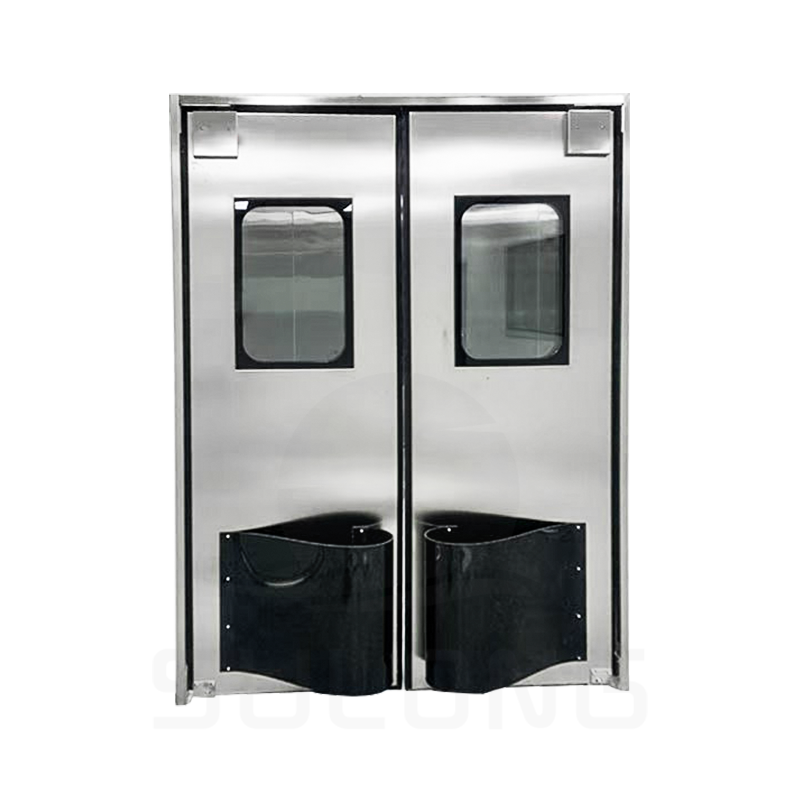
| Swing Doors | Low to medium traffic cleanrooms | Simple installation and lower cost |
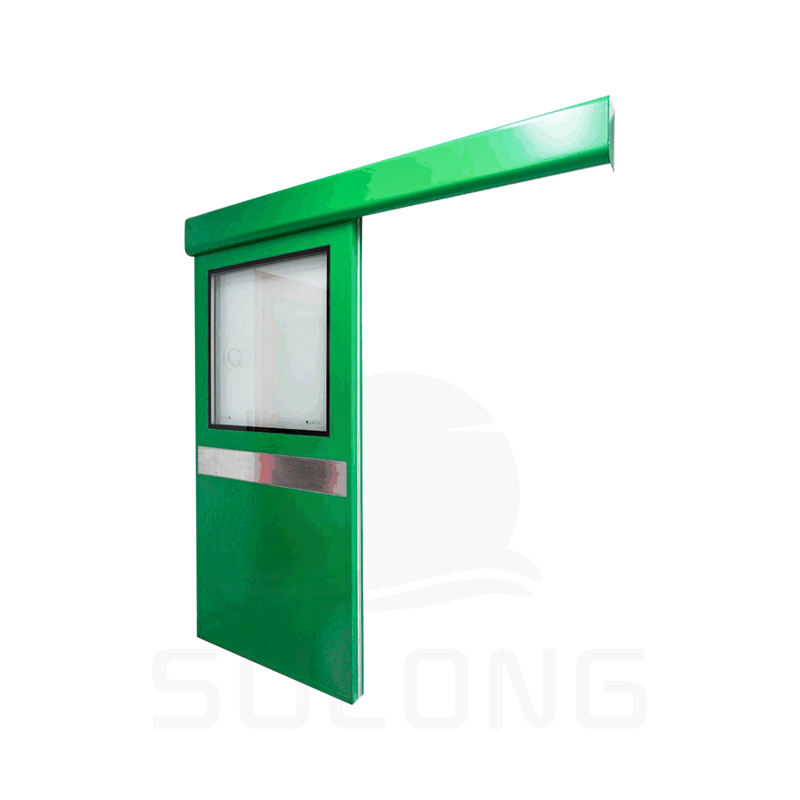
| Sliding Doors | Space-limited or high-traffic areas | Saves floor space and reduces air disturbance |
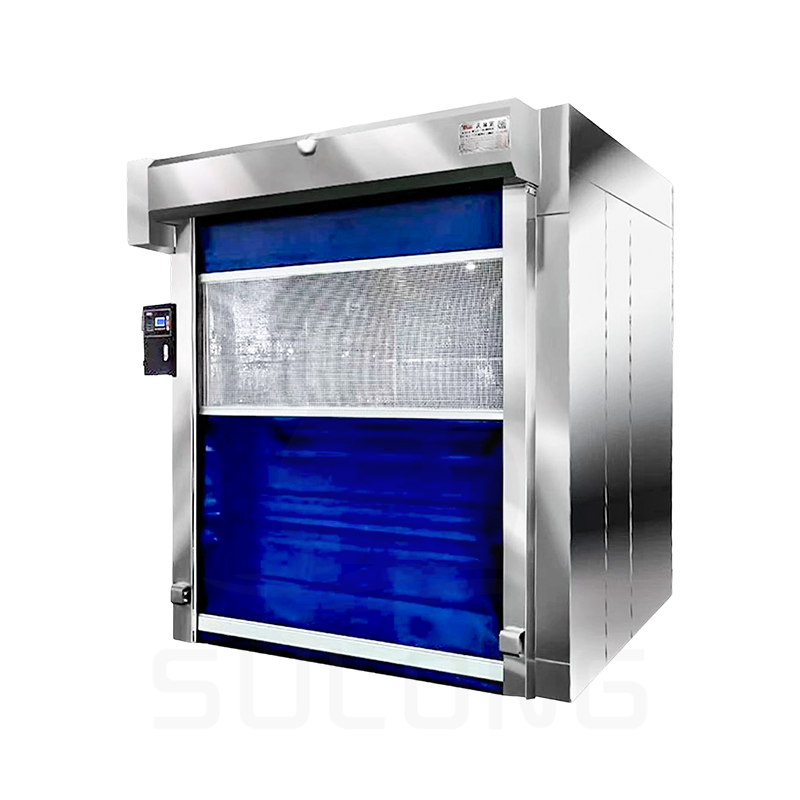
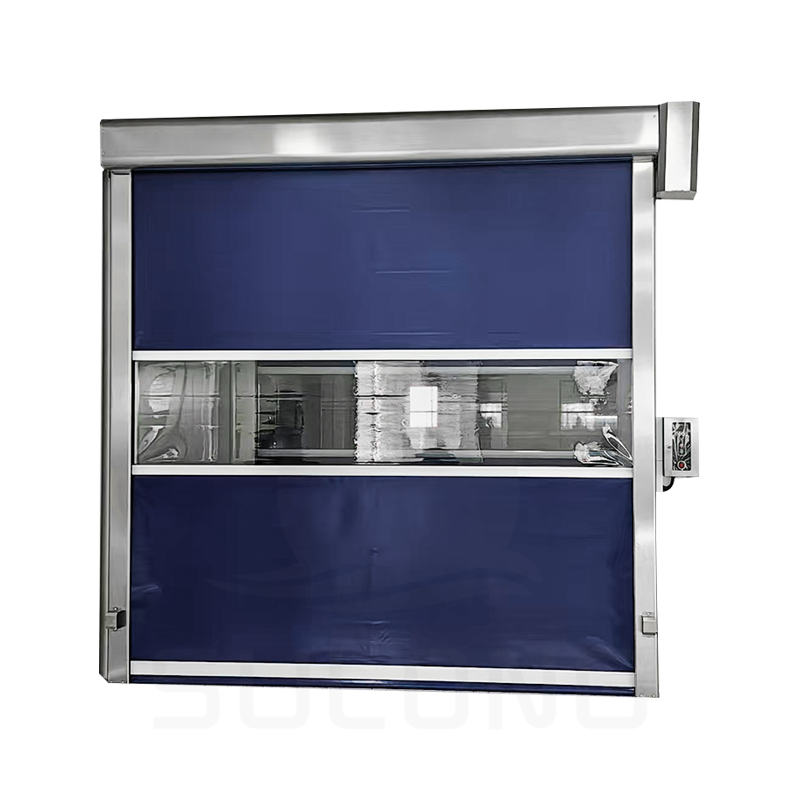
| Automatic Doors | High-traffic or hands-free environments | Minimizes contact and contamination risk |
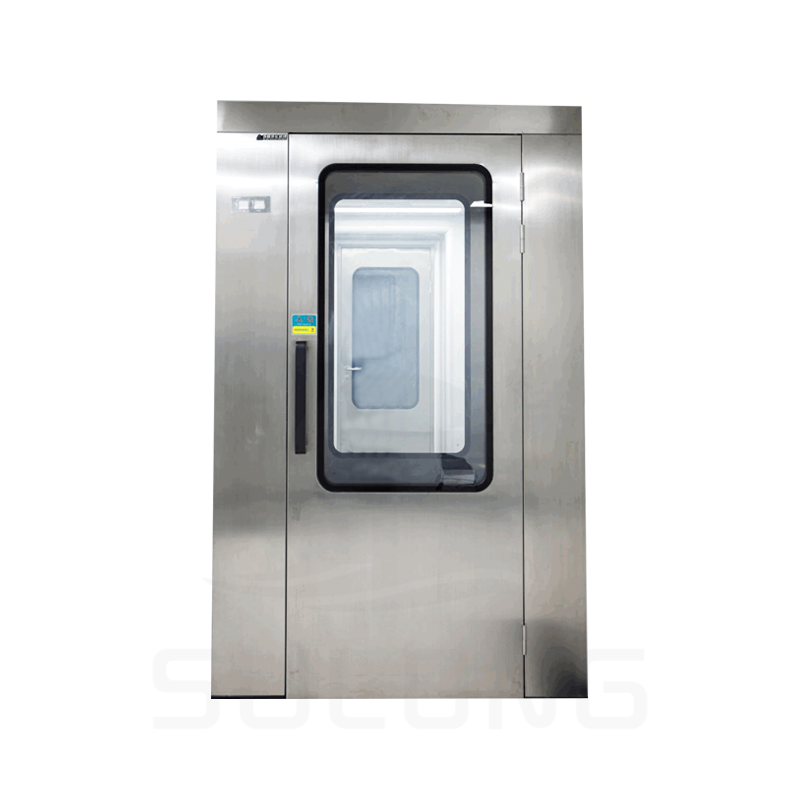
| Interlocking Doors | Airlocks and pressure-sensitive zones | Prevents both doors from opening at once |
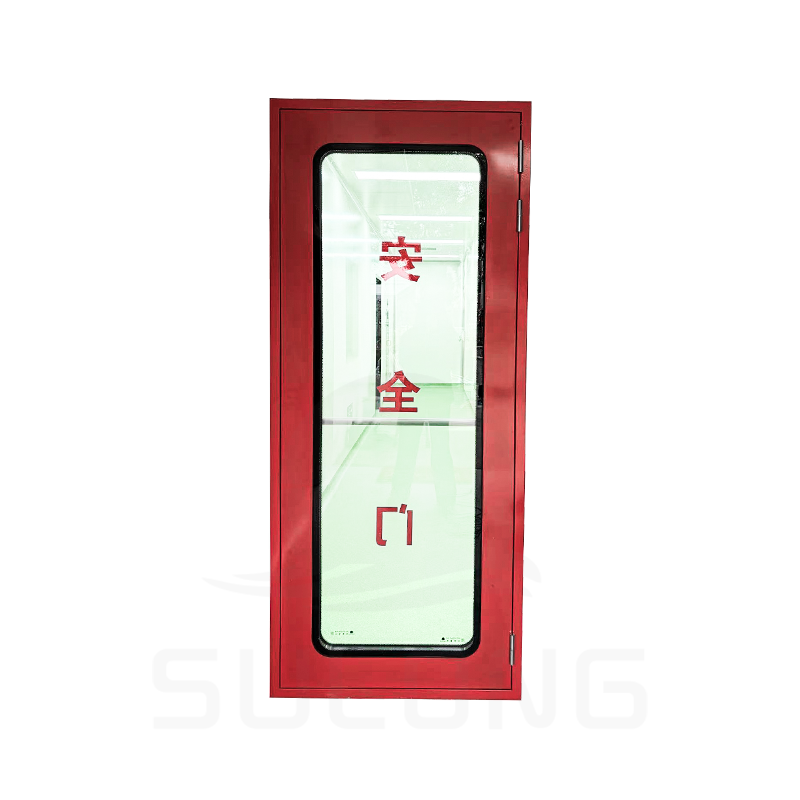
| Vision Panel Doors | Areas requiring visual monitoring | Allows supervision without opening the door |
Many facilities combine several of these door types depending on the function of each room. For example, an airlock entryway may use interlocking doors, while the main production floor relies on automatic sliding doors for smooth workflow.
The material of a cleanroom door affects its durability, cleanability, and resistance to chemicals or moisture. Choosing the right material is essential for long-term performance.
Stainless steel doors are popular in pharmaceutical and food processing cleanrooms because they resist corrosion, withstand frequent washdowns, and hold up well against harsh cleaning chemicals.
This is a cost-effective option that still offers a smooth, sealed surface. It's commonly used in electronics and general manufacturing cleanrooms where budget matters but performance can't be sacrificed.
Lightweight yet strong, aluminum-framed doors with composite panels are ideal for facilities that need to balance weight, insulation, and cost.
When evaluating cleanroom doors, it helps to focus on the features that directly impact contamination control and daily usability.
Selecting the correct cleanroom door depends on several site-specific factors. Start by identifying your cleanroom classification, since ISO Class 5 environments demand tighter seals than ISO Class 8 spaces. Next, consider traffic flow—busy production lines often benefit from automatic or sliding doors that reduce manual contact and air disturbance.
Budget and maintenance capacity also play a role. Stainless steel doors cost more upfront but require less frequent replacement, while powder-coated steel offers a more affordable entry point. Finally, always check compatibility with your existing HVAC and pressure control systems, since a mismatched door can undermine the entire cleanroom design.
Proper installation is just as important as choosing the right door. Even a high-quality cleanroom door will underperform if it's not sealed correctly against the wall panels and floor. It's recommended to have certified technicians handle installation to ensure airtightness is verified with pressure testing.
Ongoing maintenance should include regular inspection of gaskets and seals, cleaning with approved disinfectants, and checking that automatic mechanisms open and close smoothly without excessive force. Scheduling quarterly inspections can catch wear and tear before it becomes a contamination risk.
Many facilities run into avoidable problems when selecting or maintaining cleanroom doors. Recognizing these pitfalls early can save time and money.
Avoiding these mistakes helps ensure that your cleanroom doors continue to support a stable, contamination-free environment for years to come.

Follow Us:
 Call us :
  Mail us to:


 English
 中文简体
中文简体