 Home / News / Industry News / Handmade Rockwool Sandwich Panel: What It Is, How It's Made, and How to Buy Right
2026-06-02
Content
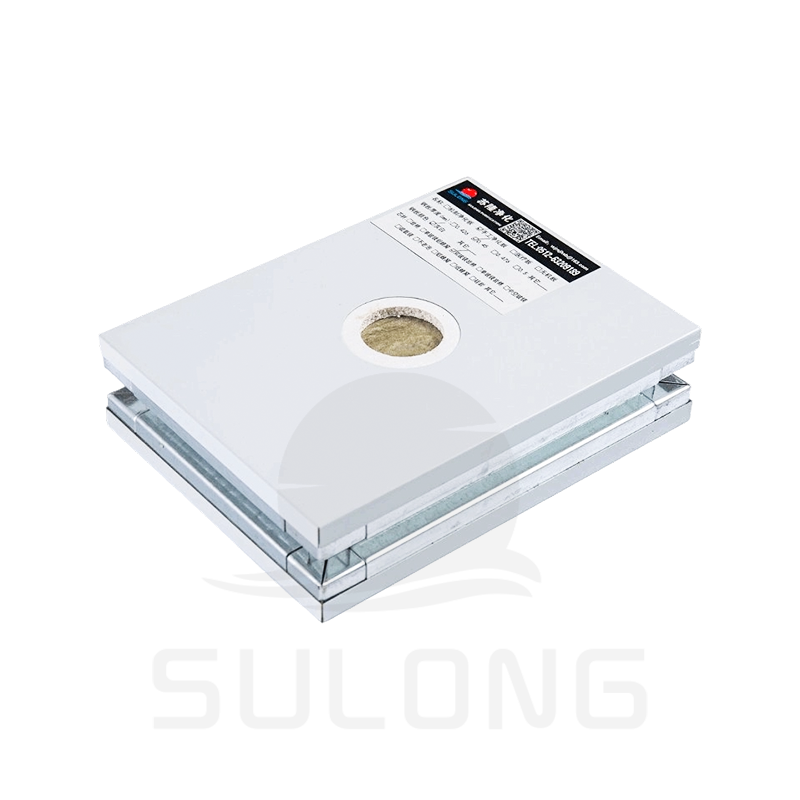
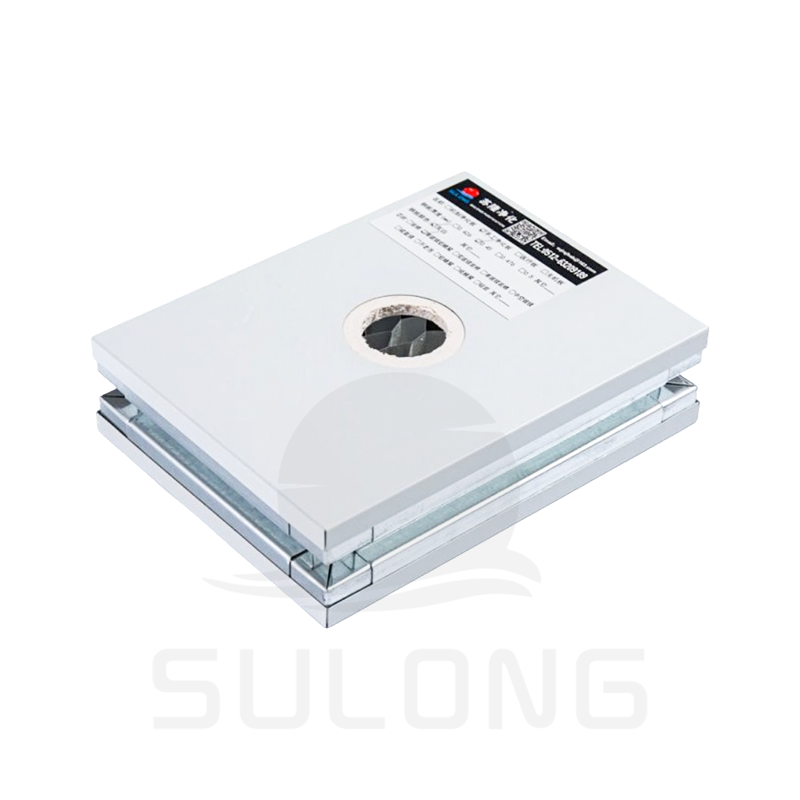
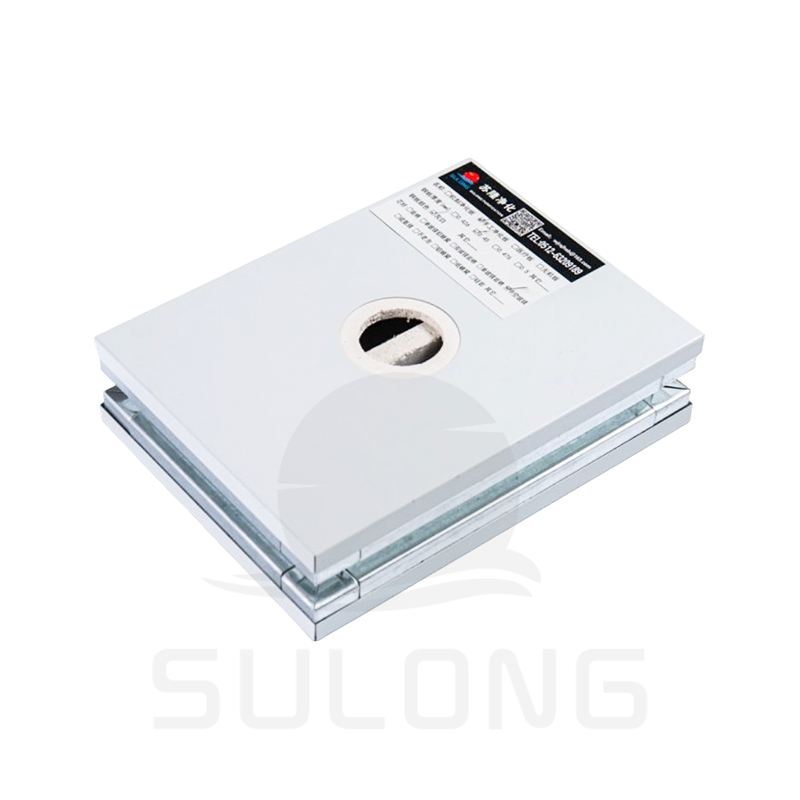
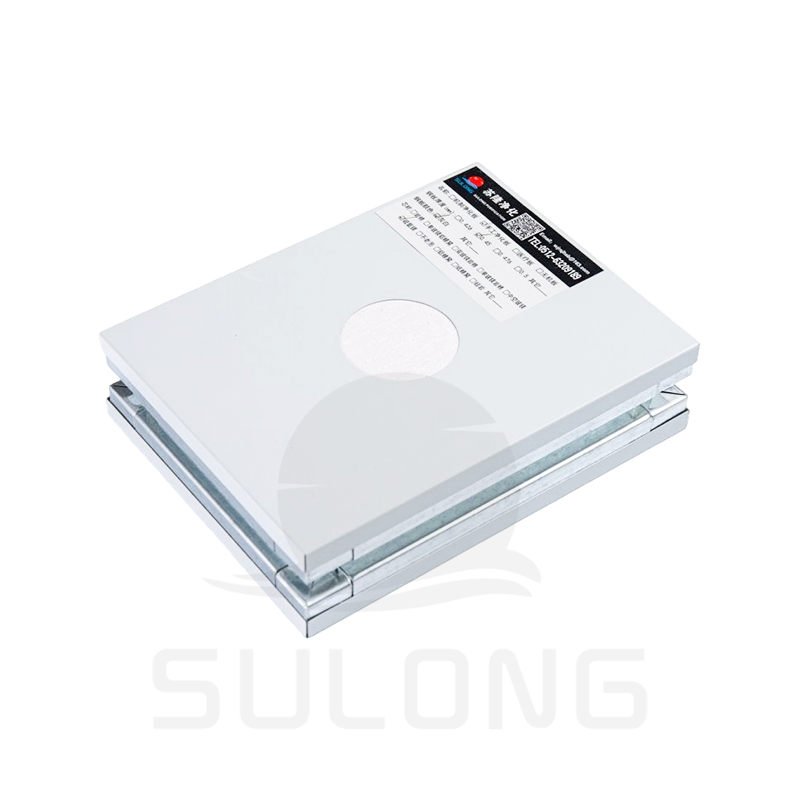
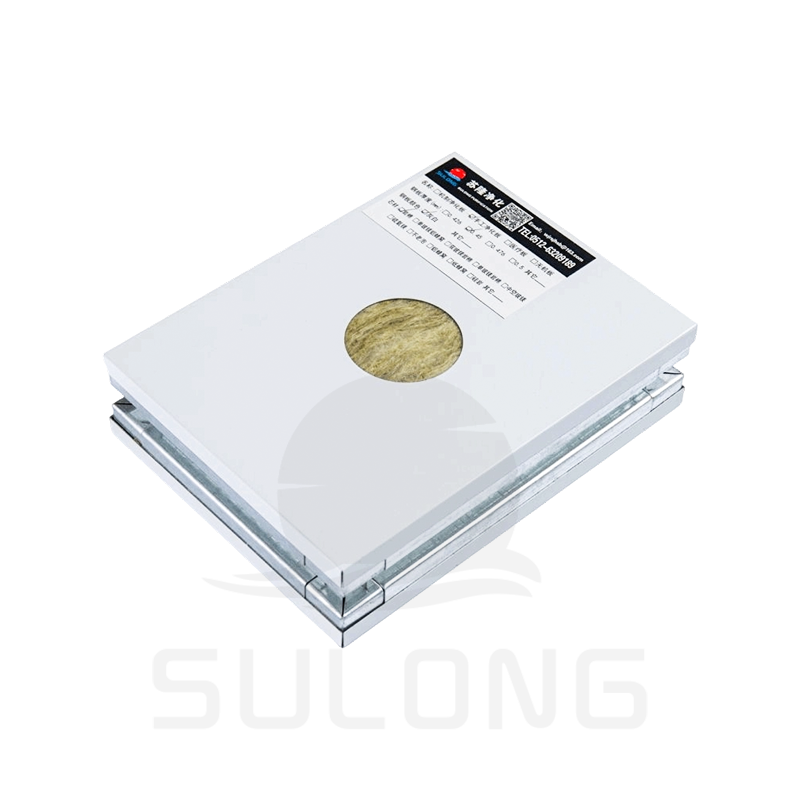
A handmade rockwool sandwich panel is a composite building panel constructed by manually assembling two outer metal face sheets — typically galvanized steel or aluminum — around a rockwool (mineral wool) core, then bonding the layers together using adhesive rather than a continuous automated press. The term "handmade" distinguishes this production method from continuous line (machine-made) panels, where an automated production line laminates and shapes panels at high speed in a factory setting. Handmade panels are produced in a batch process, often cut to custom sizes and shapes that automated lines cannot easily accommodate.
Rockwool, also known as stone wool or mineral wool, is made from volcanic basalt rock melted at extremely high temperatures and spun into dense fibrous slabs. This core material gives the panel its defining properties: outstanding fire resistance, excellent thermal insulation, strong sound attenuation, and moisture resistance. When used as the core in a handmade sandwich panel, rockwool produces a building element that meets demanding fire and thermal performance standards — making it the preferred choice for industrial buildings, cold storage facilities, cleanrooms, and any construction where fire safety is non-negotiable.
The core material is what defines a sandwich panel's performance characteristics, and rockwool outperforms every common alternative when fire resistance is the primary concern. Unlike EPS (expanded polystyrene) or PIR (polyisocyanurate) foam cores, rockwool is inherently non-combustible. It does not ignite, does not contribute fuel to a fire, and does not release toxic gases when exposed to high temperatures. This is not a coating or a treatment — it is an intrinsic property of the inorganic mineral fiber structure.
Rockwool retains its structural integrity at temperatures exceeding 1,000°C, which is far beyond what any foam-core panel can withstand. In a fire scenario, this means a rockwool sandwich panel continues to act as a barrier, slowing the spread of flames and hot gases to adjacent areas — giving occupants more time to evacuate and firefighters a more manageable situation. Most handmade mineral wool sandwich panels achieve fire resistance ratings of 30, 60, 90, or even 120 minutes when tested to standards such as EN 13501, BS 476, or ASTM E119.
Before specifying or purchasing handmade rockwool panels, it's important to understand the technical parameters that define their performance. These specs directly determine whether a panel is suitable for your application:
| Parameter | Typical Range | Notes |
| Panel Thickness | 50mm – 200mm | Greater thickness improves thermal and fire performance |
| Rockwool Core Density | 100 – 180 kg/m³ | Higher density = better fire resistance and rigidity |
| Steel Face Thickness | 0.4mm – 0.8mm | Thicker steel improves structural strength and dent resistance |
| Panel Width | 950mm – 1,200mm | Standard widths; custom widths possible with handmade method |
| Panel Length | Up to 12,000mm | Custom lengths are a key advantage of handmade production |
| Thermal Conductivity (λ) | 0.033 – 0.040 W/m·K | Lower value = better insulation |
| Fire Resistance Rating | 30 – 120 minutes | Depends on thickness, density, and face sheet configuration |
| Sound Reduction Index (Rw) | 25 – 40 dB | Better acoustic performance than foam-core panels |
When comparing suppliers, always ask for third-party test certificates rather than relying solely on datasheet values. Fire resistance and thermal performance figures should be backed by accredited laboratory test reports referencing the specific panel construction being supplied.
Understanding how a handmade stone wool sandwich panel is manufactured helps you appreciate both its strengths and its limitations. The process is more labor-intensive than continuous line production but offers flexibility that automated systems simply cannot match.
Pre-painted or galvanized steel coils are cut to the required panel length on a cutting table. The sheets are inspected for surface defects, deformation, or coating damage before proceeding. Edge profiles — typically tongue-and-groove or ship-lap — are roll-formed into the long edges of the face sheets so that installed panels interlock tightly, minimizing thermal bridging and air infiltration at joints.
Rockwool slabs are cut to match the panel width and length. For handmade panels, the rockwool fiber orientation is critically important — slabs used in wall panels are typically oriented with fibers running perpendicular to the panel face (lamellar orientation), which significantly improves compressive strength and bond adhesion compared to standard horizontal fiber orientation. Lamellar rockwool also performs better in fire conditions because the fiber structure resists delamination under heat.
A two-component polyurethane adhesive is applied uniformly to both faces of the rockwool slab and to the inner surfaces of the steel sheets. Consistent, even adhesive coverage is critical — thin spots or voids in the glue layer create weak points that can cause face sheet delamination under load or temperature cycling. Skilled operators apply adhesive using rollers or spray systems, then carefully position the rockwool between the two face sheets.
The assembled panel is placed in a hydraulic press or under weighted platens to apply uniform pressure across the entire surface while the adhesive cures. Curing time depends on the adhesive system and ambient temperature — typically 30 to 90 minutes at room temperature, or shorter with heated presses. Insufficient curing pressure leads to uneven bonding and reduced structural integrity, so this stage requires careful process control even in a manual production environment.
After curing, panels are trimmed to final dimensions, edges are checked for squareness, and the surface coating is inspected for damage. Panels are then stacked with protective interleaving, bundled, and prepared for delivery. Because handmade panels are often cut to project-specific dimensions, careful labeling and bundle organization is essential to ensure the right panels reach the right locations on site.
The choice between handmade and continuous line (machine-made) rockwool sandwich panels is not purely about quality — it's about matching the production method to the project requirements. Here's a practical breakdown:
| Factor | Handmade Panels | Continuous Line Panels |
| Custom Sizes | Excellent — any length or width | Limited to standard widths |
| Minimum Order Quantity | Low — suitable for small projects | High — economical only at scale |
| Production Speed | Slower | Very fast |
| Bond Consistency | Operator-dependent | Highly consistent |
| Complex Profiles | Possible with skilled labor | Difficult |
| Unit Cost | Higher per m² | Lower per m² at volume |
| Lead Time | Shorter for small quantities | Longer setup; faster bulk runs |
Handmade rockwool panels are the right choice when a project requires non-standard dimensions, small batch quantities, quick turnaround on custom orders, or special configurations such as panels with pre-cut service penetrations, angled edges, or built-in structural inserts. For large-scale projects with high volumes of standard-size panels, continuous line production is typically more economical.
The combination of fire resistance, thermal insulation, and acoustic performance makes handmade mineral wool sandwich panels a preferred solution across a wide range of building types and applications:
Correct installation is essential to realizing the full performance potential of a handmade rockwool sandwich panel system. Poor installation practice can compromise fire ratings, thermal performance, and weatherproofing, regardless of how good the panel itself is.
Rockwool is a rigid but relatively brittle material at the panel edges. Dropping panels on their edges or applying point loads to corners can crack the core and damage the interlocking edge profile, creating gaps in the installed system. Always lift panels from their faces using vacuum lifters or padded clamps, and store panels flat on level supports rather than on edge.
The joint between adjacent panels is a potential weak point in both fire resistance and thermal performance. Use the specified intumescent tape, fire-rated sealant, or mineral wool infill at panel joints as specified by the panel manufacturer's installation guide. Do not substitute generic silicone or foam sealants — these may not meet the fire performance requirements that the joint detail was tested to achieve.
Self-drilling screws with EPDM washers are the standard fastener for steel-faced sandwich panels. Fastener spacing must follow the engineer's specification — typically 300mm to 600mm depending on wind load requirements. Over-driving screws compresses the face sheet and can crack the rockwool core directly under the fastener head, creating a local thermal bridge and potential water ingress point.
Pre-painted steel faces are susceptible to scratching and swarf damage during cutting and installation. Remove factory protective film promptly after installation — leaving it on too long allows the adhesive to bond permanently to the coating, making removal difficult and potentially damaging the surface finish. Clean any swarf or metal filings off the panel surface immediately to prevent rust staining.
Quality varies significantly between suppliers of handmade stone wool sandwich panels, and the consequences of specifying substandard panels — particularly in fire-rated applications — can be severe. Use this checklist when evaluating potential suppliers:
Handmade rockwool sandwich panels are low-maintenance building elements, but periodic inspection and minor upkeep extend their service life and preserve their performance ratings. Here's what a routine maintenance program should cover:
With proper installation and routine maintenance, quality handmade rockwool sandwich panels typically deliver a service life of 25–40 years, making them a sound long-term investment for any building project where fire safety and thermal performance are priority requirements.

Follow Us:
 Call us :
  Mail us to:


 English
 中文简体
中文简体