 Home / News / Industry News / Everything You Need to Know About Handmade Double Glass Magnesium Rockwool Panels
2026-06-09
Content
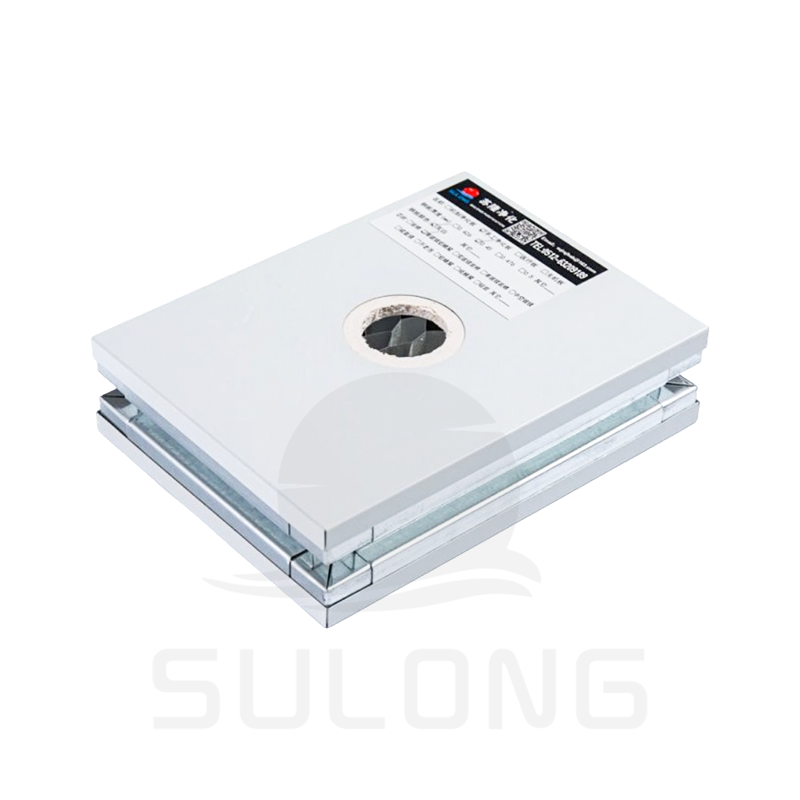
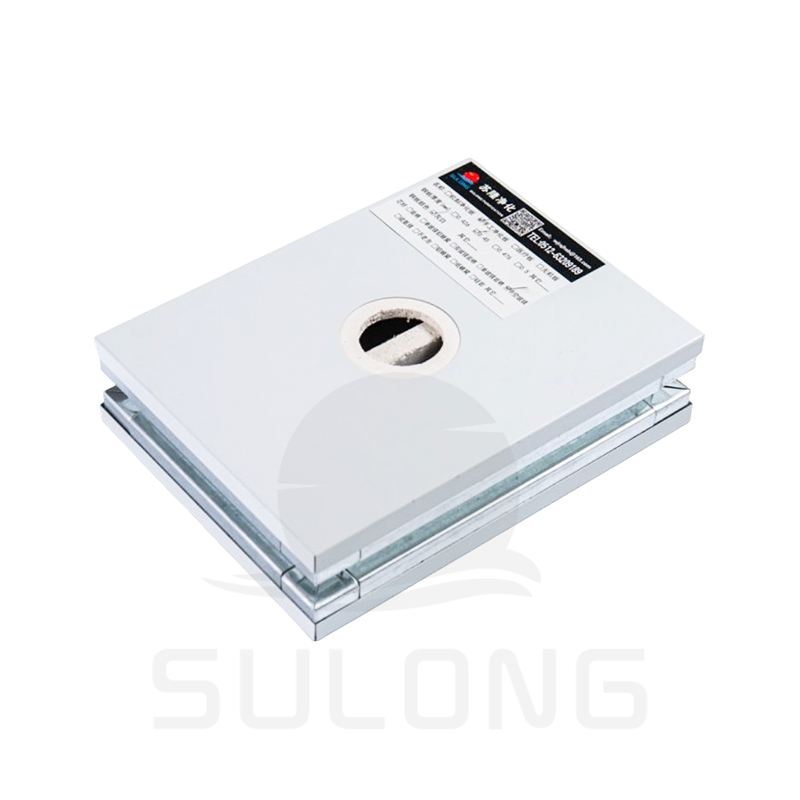
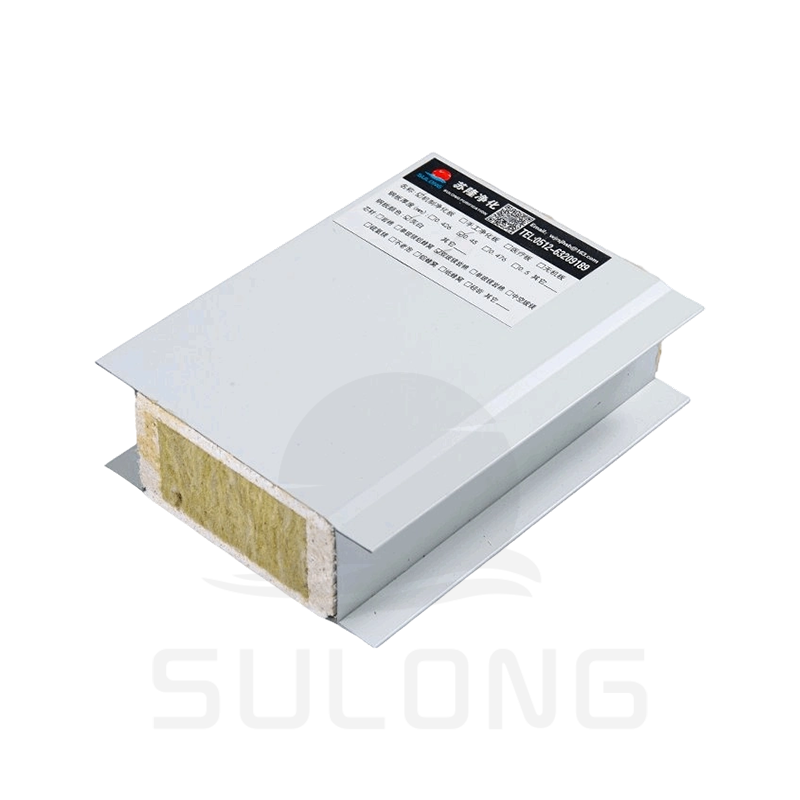
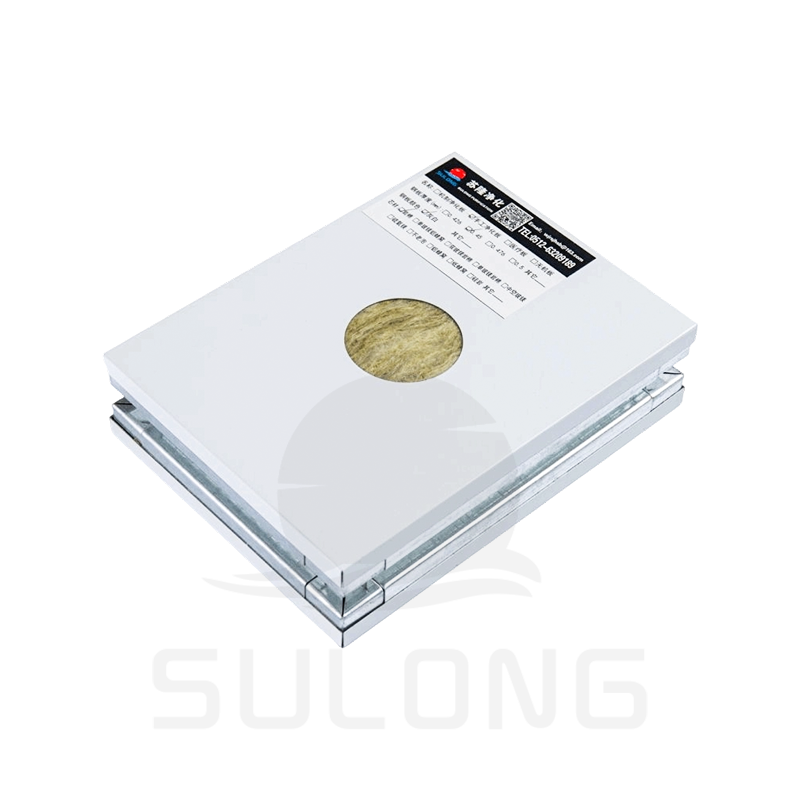
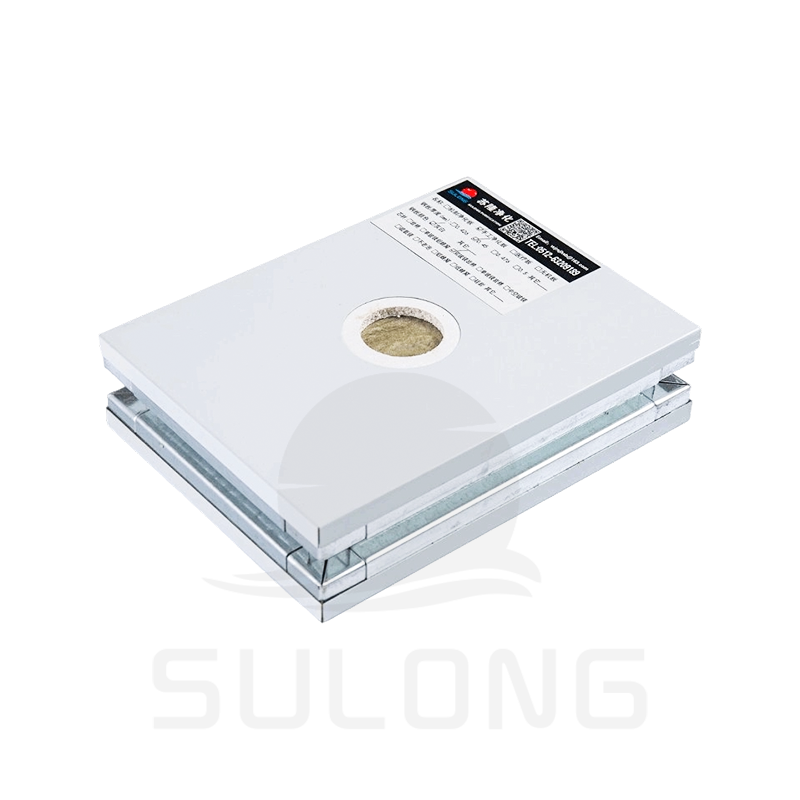
A handmade double glass magnesium rockwool panel is a composite building panel that combines three core materials into a single, high-performance sandwich structure: two outer facing sheets made from magnesium oxide (MgO) glass fiber board, and an inner core of rockwool (also called mineral wool or stone wool). The term "handmade" refers to the manual lamination and assembly process used to bond the layers together, as opposed to fully automated machine-pressed panel production. This manufacturing method allows for greater flexibility in custom sizing, thickness variation, and small-batch production runs.
These panels go by several names in the construction materials market — double-sided MgO rockwool sandwich panels, glass magnesium wool insulation boards, handcrafted mineral wool MgO panels, or simply glass magnesium rockwool boards. Regardless of what they're called, the fundamental structure is the same: a dense, non-combustible mineral wool core protected on both faces by rigid, moisture-resistant magnesium oxide sheets reinforced with fiberglass mesh. The combination delivers a panel that is fire-resistant, thermally insulating, acoustically effective, lightweight relative to concrete alternatives, and durable enough for both interior and exterior applications.
Understanding the handmade production process helps clarify why these panels behave the way they do and why the manufacturing method matters in specific applications. Unlike machine-pressed sandwich panels that use continuous lamination lines, handmade double glass magnesium rockwool panels are assembled layer by layer on flat production tables.
The process begins with a pre-cut sheet of magnesium oxide board, typically 4–6mm thick, laid flat on a work surface. This sheet is made from a slurry of magnesium oxide, magnesium chloride, water, and perlite or sawdust filler, reinforced with fiberglass mesh on both surfaces before curing. The bottom sheet serves as the structural base of the panel and provides one of the finished face surfaces.
A layer of construction adhesive — typically a two-component epoxy or a specialized MgO-compatible bonding agent — is applied to the inner surface of the bottom sheet. The rockwool core, cut to the required panel dimensions and thickness, is then pressed firmly onto the adhesive layer. Rockwool used in these panels is typically a rigid or semi-rigid slab with a density of 80–150 kg/m³, which balances compressive strength with thermal and acoustic insulation performance. Thicknesses commonly range from 50mm to 150mm depending on the application requirements.
A second application of adhesive is spread across the exposed top face of the rockwool core, and the second MgO glass fiber sheet is placed on top and pressed down firmly. The assembled panel is then weighted or clamped and left to cure at room temperature or in a low-temperature drying environment. After curing — which typically takes 12 to 24 hours — the edges are trimmed, sealed, and the panel is inspected for delamination, voids, or surface defects before being packaged for shipment.
The combination of MgO facing boards and a rockwool core produces a panel with a performance profile that is difficult to match with single-material alternatives. Here is a detailed breakdown of the primary properties:
Both magnesium oxide board and rockwool are inherently non-combustible materials. MgO board achieves Class A1 or A2 fire ratings in standard testing, and rockwool mineral wool does not melt, drip, or support combustion — it remains structurally intact at temperatures up to 1,000°C and above. Together, a handmade double glass magnesium rockwool panel provides fire resistance ratings typically ranging from 60 minutes to over 120 minutes, depending on panel thickness and construction configuration. This makes them suitable for fire-rated wall assemblies, fire corridor linings, and compartmentalization barriers in commercial and industrial buildings.
Rockwool has a thermal conductivity (lambda value) typically between 0.033 and 0.040 W/(m·K), making it one of the more effective inorganic insulation materials available. In a panel with a 100mm rockwool core, the resulting thermal resistance (R-value) is approximately 2.5–3.0 m²·K/W, depending on the exact density and product specification. The MgO face sheets add negligible thermal resistance but do contribute to airtightness at the panel surface, which improves the overall thermal performance of the installed assembly.
Rockwool's fibrous structure makes it an effective sound absorber across a broad frequency range, particularly mid and high frequencies. In a sandwich panel configuration with rigid MgO faces, the panel provides both sound absorption within the core and sound transmission loss through the assembly. Depending on panel mass and core density, sound reduction index (Rw) values typically range from 35 dB to 50 dB, making these panels effective for partition walls in offices, recording studios, industrial facilities, and multi-unit residential buildings.
MgO board has naturally good moisture resistance compared to gypsum board (drywall), which degrades rapidly when wet. The magnesium oxide binder is inherently resistant to mold and does not support biological growth. Rockwool is also hydrophobic at the fiber level — water is repelled rather than absorbed, and the material retains its insulating properties even in humid environments. This combination makes handmade glass magnesium rockwool panels suitable for use in kitchens, bathrooms, humid industrial environments, and exterior wall systems where moisture ingress is a concern.
While these panels are not structural panels in the load-bearing sense, the MgO faces give the assembled panel significant rigidity and surface hardness. MgO board resists surface indentation better than gypsum board and holds fasteners well. The rockwool core adds compressive resistance that prevents the panel from buckling under normal in-plane loads. For non-load-bearing partition walls and ceiling assemblies, the panel's self-supporting characteristics simplify installation considerably.
Handmade double glass magnesium rockwool panels are typically manufactured to order, which means dimensions and specifications can vary between suppliers. The table below outlines the most commonly available standard specifications:
| Specification | Typical Range | Common Standard Value |
| Panel Width | 600mm – 1,220mm | 1,200mm |
| Panel Length | 1,800mm – 3,600mm | 2,400mm / 3,000mm |
| Total Panel Thickness | 60mm – 170mm | 75mm / 100mm / 125mm |
| MgO Face Sheet Thickness | 4mm – 8mm (each face) | 5mm or 6mm |
| Rockwool Core Thickness | 50mm – 150mm | 65mm / 90mm / 115mm |
| Rockwool Core Density | 80 – 150 kg/m³ | 100 – 120 kg/m³ |
| Panel Weight | 18 – 40 kg/m² | 22 – 28 kg/m² |
| Fire Rating | A1 / A2 Non-Combustible | Class A1 (EN 13501-1) |
The performance properties of handmade double glass magnesium mineral wool panels make them suitable across a wide range of building types and construction scenarios. Here are the primary application areas:
One of the most common uses is as non-load-bearing interior partition walls in commercial buildings, offices, schools, hospitals, and industrial facilities. The panels are installed in metal stud framing systems or directly between structural columns, providing fire separation, acoustic privacy, and thermal zoning within the building envelope. Their dimensional stability and resistance to cracking over time give them an advantage over gypsum-based partition systems in high-humidity or thermally variable environments.
When installed with appropriate weatherproofing and cladding systems, handmade glass magnesium rockwool panels serve as infill wall panels in curtain wall and steel frame construction. The rockwool core provides continuous insulation across the wall assembly, reducing thermal bridging. The MgO faces resist moisture penetration and don't rot, warp, or delaminate under cycling wet-dry conditions the way OSB or cement-fiber alternatives sometimes do.
The non-porous, hard surface of MgO board is easy to clean and disinfect, making MgO rockwool sandwich panels a practical choice for clean room construction, pharmaceutical manufacturing facilities, food processing plants, and cold storage rooms. The fire resistance of both materials adds another layer of compliance with the strict safety standards required in these environments.
Prefabricated and modular construction benefits enormously from panel systems that arrive on site ready to install. Handmade double glass magnesium rockwool panels can be prefabricated to the exact dimensions required for a specific module or building layout, cutting on-site labor and waste. They're used extensively in modular office buildings, site accommodation units, temporary structures, and rapidly deployed facilities where construction speed is a priority.
In multi-story construction, fire-rated shaft enclosures for elevators, stairwells, and service ducts require materials that maintain structural integrity under sustained fire exposure. Handmade MgO rockwool panels are used in these applications because of their A1 non-combustibility rating, their resistance to fire-induced deformation, and their ability to form continuous fire barriers without the thermal cracking issues associated with some calcium silicate or gypsum-based products.
The distinction between handmade and machine-produced double glass magnesium rockwool panels matters for buyers evaluating quality, cost, and application suitability. Here's a practical comparison:
Installing handmade MgO rockwool panels correctly is critical to achieving the fire, thermal, and acoustic performance the panels are rated for. The following covers the key steps and considerations for a standard interior partition installation:
Panels are typically installed within a light gauge steel stud framing system. Track sections are fixed to the floor and ceiling, and vertical studs are installed at spacings matched to the panel width — typically 600mm or 1,200mm centers. For fire-rated assemblies, ensure the stud gauge and track configuration comply with the applicable fire test report for your specific panel system. All framing members should be plumb and co-planar before panel installation begins.
MgO rockwool panels can be fixed to steel framing using self-drilling screws at 200–300mm centers around the panel perimeter and at intermediate supports. Pre-drilling is recommended to prevent edge cracking, particularly within 20mm of panel edges. For adhesive-bonded installations directly to masonry or concrete, use a cement-based tile adhesive or construction adhesive compatible with magnesium oxide surfaces — not all adhesive formulations bond reliably to MgO board, so verify compatibility before specifying.
Panel joints must be properly treated to maintain the fire and acoustic performance of the assembly. For fire-rated walls, use an intumescent joint sealant at all joints and penetrations. For standard partition applications, joints can be filled with a flexible jointing compound, taped with fiberglass mesh tape, and skim-coated with an appropriate filler. Avoid rigid caulks that will crack as the building moves — the joint treatment needs to accommodate minor differential movement between panels.
Handmade double glass magnesium rockwool panels can be cut on site using a circular saw with a carbide-tipped blade, a jigsaw, or an angle grinder with a segmented diamond blade. Cutting generates fine mineral fiber and MgO dust — always wear appropriate PPE including a P3 dust mask, safety glasses, and gloves. Cut edges should be sealed with edge sealant or treated with a compatible primer before installation to prevent moisture ingress into the rockwool core at the cut line.
Not all sandwich panels use rockwool cores. Understanding how the rockwool version compares to panels with EPS, PIR, or PUR foam cores helps buyers make informed decisions for specific projects:
| Property | Rockwool Core | EPS Foam Core | PIR/PUR Foam Core |
| Fire Reaction | A1 Non-Combustible | E (Combustible) | B–C (Limited) |
| Thermal Conductivity | 0.033–0.040 W/mK | 0.031–0.038 W/mK | 0.022–0.028 W/mK |
| Acoustic Performance | Excellent | Poor | Fair |
| Moisture Resistance | Very Good | Good | Good |
| Compressive Strength | Medium | Medium | Medium–High |
| Smoke Toxicity on Fire | Very Low | High | High |
| Panel Weight | Medium–Heavy | Light | Light |
The clear advantage of rockwool-core panels is fire safety. EPS and PIR/PUR foam cores, while offering slightly better thermal performance per millimeter, release toxic smoke when ignited and are classified as combustible materials. In buildings where fire code compliance demands non-combustible construction — hospitals, high-rise buildings, schools, and public assembly buildings — handmade glass magnesium rockwool panels are frequently the only panel system that satisfies the requirements without additional fireproofing layers.
The handmade production process introduces variability that buyers need to account for when evaluating suppliers. Not all handmade double glass magnesium rockwool panels are created equal, and quality differences can have significant consequences for fire performance and long-term durability. Here's what to check before placing an order:
One of the attractive features of handmade double glass magnesium rockwool panels is that they require minimal maintenance once correctly installed. The MgO face surfaces are hard, stable, and resistant to the biological growth, swelling, and crumbling that affect gypsum and calcium silicate products in humid environments. Rockwool does not degrade, compress permanently, or lose its thermal and acoustic properties with age under normal building conditions.
For painted or coated MgO surfaces, routine cleaning with mild detergent and water is sufficient to maintain appearance. Avoid abrasive cleaners that can scratch the surface finish. If the panel surface is damaged by impact or penetration, localized repair with patching compound and re-painting is straightforward and does not require panel replacement in most cases.
In high-humidity environments, periodic inspection of panel joints and edge seals is recommended to verify that sealants remain intact and that no moisture is entering the panel system through failed joints. Prompt joint resealing prevents the only realistic long-term failure mode for these panels in challenging environments — moisture-induced delamination at the face-to-core bond line.

Follow Us:
 Call us :
  Mail us to:


 English
 中文简体
中文简体