 Home / News / Industry News / Steel Cleanroom Doors Explained: What They Are, How They Work, and How to Choose One
2026-06-17
Content
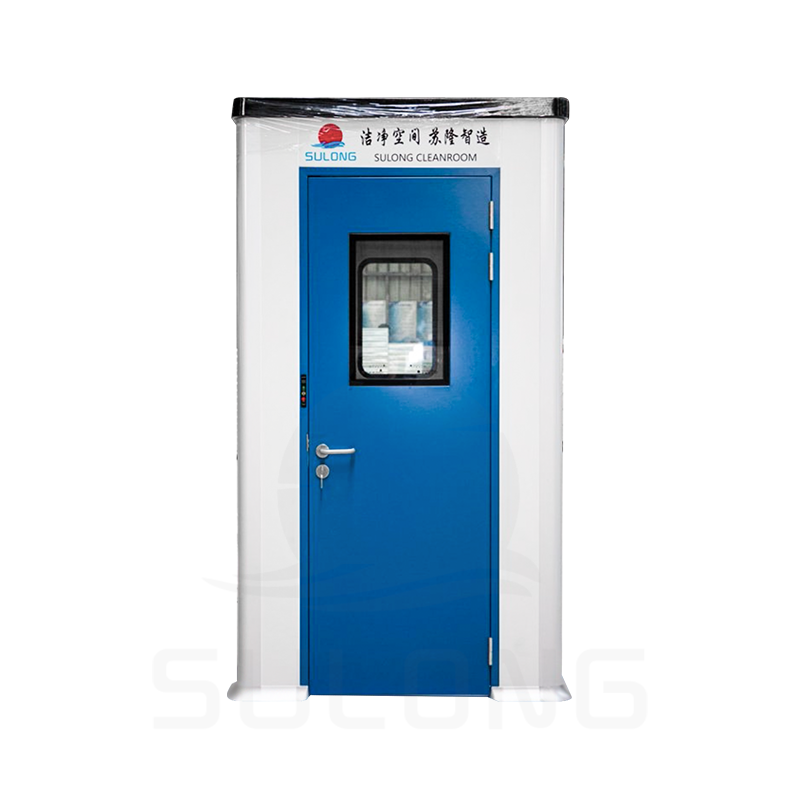
A steel cleanroom door is a purpose-engineered access door designed to maintain the controlled environment inside a cleanroom while providing durable, hygienic, and airtight separation between zones of different cleanliness classifications. Unlike a standard interior door, a cleanroom steel door is built to strict dimensional tolerances, incorporates sealed perimeter gaskets, and uses surface materials that resist particle shedding, chemical attack, and microbial colonization.
Material selection is not a cosmetic decision — it directly determines the door's performance over its service life. Steel, and more specifically cold-rolled steel with a powder-coat finish or stainless steel, offers a combination of structural rigidity, surface hardness, and cleanability that other materials cannot match at the same price point. A solid steel door panel resists warping under differential air pressure between cleanroom zones, which is critical in positive-pressure pharmaceutical suites where the door must maintain its seal every time it closes. Hollow-core or lightweight composite doors flex under pressure differentials and lose their perimeter seal integrity far sooner.
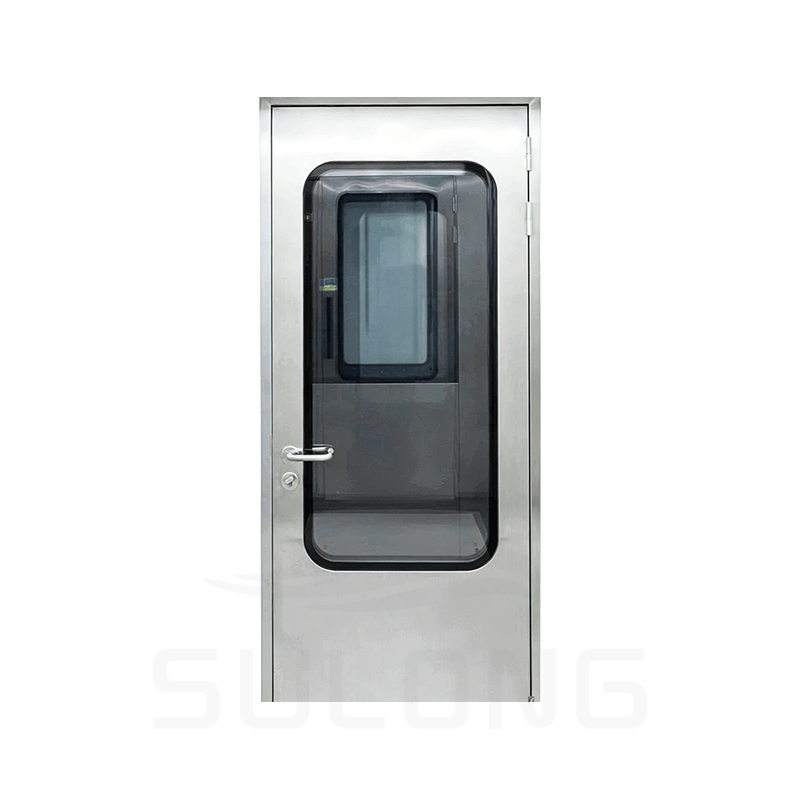
The choice between mild steel with a coating and stainless steel comes down to the specific environment. In ISO Class 7 and 8 general manufacturing cleanrooms, powder-coated cold-rolled steel provides adequate corrosion resistance and surface durability at lower cost. In ISO Class 5 and 6 pharmaceutical aseptic suites, hospital operating theaters, and food processing environments subject to regular washdown with aggressive disinfectants, Grade 304 or Grade 316 stainless steel clean room doors are the correct specification — they offer genuine corrosion immunity and a surface that withstands thousands of cleaning cycles without degradation.
The construction of a cleanroom steel door is fundamentally different from a standard fire door or commercial entrance door. Every element is selected to eliminate particle generation, prevent air infiltration, and survive the harsh cleaning regimes typical of controlled environments.
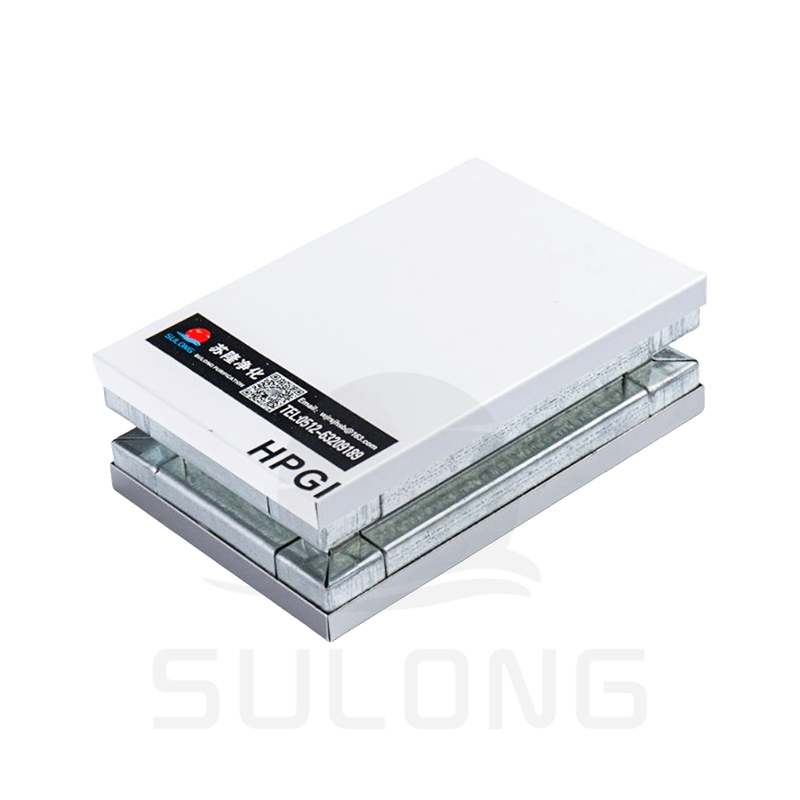
The door leaf consists of two steel face sheets — typically 0.8mm to 1.2mm cold-rolled steel or 1.0mm to 1.5mm stainless steel — bonded to an internal core. The core material varies by application: honeycomb aluminum offers the best strength-to-weight ratio for large door panels, rigid polyurethane foam provides thermal insulation for temperature-controlled cleanrooms, and mineral wool cores are specified where fire resistance is required alongside cleanroom compliance. The perimeter of the leaf is reinforced with a solid steel channel that anchors the hinge plates and latch hardware, preventing deformation at the fixing points under repeated opening and closing cycles.
The door frame is a continuous steel channel, typically formed from the same grade of steel as the door leaf, welded or mechanically joined at corners to eliminate gaps. The frame is fitted with a continuous compression gasket — most commonly silicone rubber — that runs around all four sides of the frame rebate. When the door closes, the leaf compresses the gasket uniformly, creating an airtight seal that prevents uncontrolled air movement between cleanroom zones. The gasket profile is typically either a hollow D-section or a P-section, both of which deform consistently under low closing force and recover their shape reliably after tens of thousands of cycles.
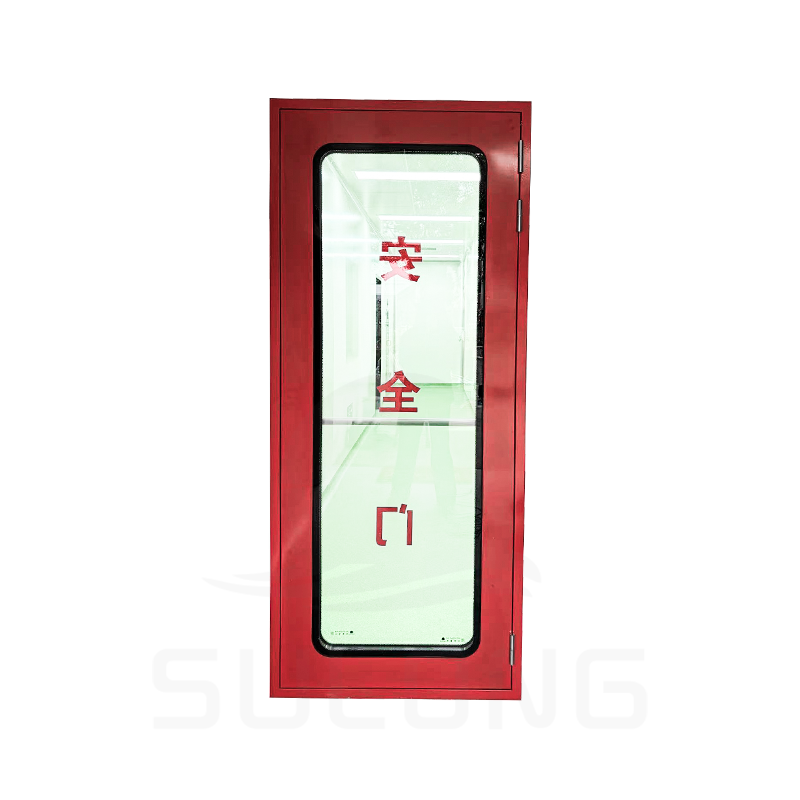
Most steel cleanroom doors incorporate a vision panel to allow personnel visibility before opening — an important safety and contamination-control feature. The glazing is typically toughened safety glass or laminated glass, set into a flush-mounted stainless steel or aluminum frame that sits level with the door face to eliminate the ledges where particles and moisture can accumulate. In high-containment or blast-pressure environments, the vision panel frame is sealed with structural silicone or a compression gasket system to maintain the door's pressure rating.
For powder-coated steel doors, the surface preparation process is as important as the coating itself. The steel is shot-blasted or chemically treated to remove mill scale and contamination, primed with an epoxy primer, and then finished with a smooth, hard polyester powder coat typically applied at 60–80 microns dry film thickness. This produces a surface with low particle adhesion, good chemical resistance, and the ability to withstand wiping with IPA (isopropyl alcohol), hydrogen peroxide, and quaternary ammonium disinfectants. Stainless steel doors are mechanically polished to a defined surface roughness — Ra 0.8 µm or finer for pharmaceutical applications — which minimizes the microscopic pits and scratches where bacteria can establish biofilm.
Steel cleanroom doors come in several configurations, each suited to different traffic patterns, space constraints, and cleanliness requirements. Choosing the wrong door type creates operational inefficiencies and can compromise the cleanroom's contamination control performance.
The most common configuration for personnel access in cleanrooms. A single steel cleanroom swing door is hinged on one side and opens in a single direction — typically into the higher-cleanliness zone so that positive room pressure assists in keeping the door closed. Single swing doors are straightforward to seal, easy to automate with a door opener or electromagnetic hold-open device, and are available in widths from 800mm to 1,200mm to accommodate personnel movement with gowning.
Two adjacent door leaves in a common frame, used where throughput of personnel or materials requires a wider clear opening. Double steel cleanroom doors are common at the entry points to large manufacturing bays or at transitions between cleanroom corridors. The central meeting stile — where the two leaves meet when closed — requires careful sealing, typically with an overlapping astragal and gasket arrangement or a magnetic seal strip, to maintain airtightness at this vulnerable point.
Where floor space in front of the door is constrained — particularly in corridors where a swing door would obstruct passage — a sliding steel cleanroom door is the practical solution. Sliding doors for cleanroom use are bottom-supported (running on a low-profile floor track) or top-hung (suspended from an overhead rail), with the top-hung configuration preferred in cleanrooms to eliminate the floor track that can harbor contamination and is difficult to clean. Airtight sliding doors use a drop-seal mechanism that lowers the bottom edge of the door onto a threshold seal when the door reaches the closed position, compensating for the inherent difficulty of sealing the bottom gap of a sliding door.
Hermetic steel cleanroom doors are specified for the most demanding applications — pharmaceutical aseptic processing, radiopharmacy, BSL-3 containment laboratories, and operating theaters where a measurable leakage rate is unacceptable. These doors achieve air leakage rates of less than 1 m³/hour at a pressure differential of 25 Pa, verified by air leakage testing at the factory and on-site after installation. The sealing system typically involves an inflatable silicone gasket around the full perimeter of the door, which is pressurized pneumatically when the door closes to create a positive mechanical seal. The gasket deflates automatically when the door is opened, preventing wear from repeated contact.
For high-traffic material transfer points — particularly in cleanrooms used for manufacturing where forklifts or automated guided vehicles (AGVs) pass through frequently — rapid roll-up doors minimize the time the opening is unsealed. While these are typically not constructed from solid steel panels, the side guides and housing are steel-framed, and the fabric curtain incorporates antistatic treatments. They are rarely specified for ISO Class 6 and above but are common in ISO Class 7 and 8 production environments.
The cleanroom classification directly determines the performance specification required of the door. Higher cleanliness classes impose stricter requirements on air leakage, surface finish, particle generation from the door itself, and compatibility with the cleaning and disinfection protocols used in that environment.
| ISO Class | Equivalent GMP Grade | Typical Application | Recommended Door Type | Surface Requirement |
| ISO Class 5 | Grade A/B | Aseptic filling, open product handling | Hermetic airtight, stainless steel | 316L SS, Ra ≤ 0.5 µm |
| ISO Class 6 | Grade B | Background environment for Grade A | Hermetic or high-seal swing door | 304 SS or 316L SS, Ra ≤ 0.8 µm |
| ISO Class 7 | Grade C | Pharmaceutical secondary processing | Steel swing or sliding door with full gasket | 304 SS or powder-coated steel |
| ISO Class 8 | Grade D | General manufacturing, electronics assembly | Standard cleanroom swing or sliding door | Powder-coated steel, smooth finish |
| ISO Class 9 | — | Controlled but not classified environments | Basic cleanroom door with gasket | Powder-coated steel acceptable |
It is important to note that the door's own performance cannot be evaluated in isolation from the wall system it is installed in. A high-specification hermetic cleanroom steel door installed with poor perimeter sealing to the wall panel will underperform a basic door installed correctly. The door, frame, installation method, and wall interface must all be specified together as a system.
The hardware fitted to a cleanroom steel door must meet the same hygienic design and durability standards as the door itself. Poorly specified hardware introduces particle generation points, harbors contamination, and creates maintenance burdens that disrupt cleanroom operations.
Concealed hinges — mortised flush into the door edge and frame — are strongly preferred in pharmaceutical and food-grade cleanrooms. They eliminate the exposed pivot points and screw heads of surface-mounted hinges where particles, lubricants, and cleaning fluids accumulate. For heavy steel door leaves (typically 60–120 kg for a standard single door), three or four heavy-duty stainless steel concealed hinges are required, each rated to carry the appropriate share of the door weight with a generous safety factor. The hinges must also be adjustable in three axes to allow precise alignment of the door leaf within the frame after installation and throughout the building's settling period.
Cleanroom latch sets use a stainless steel bolt mechanism that pulls the door leaf firmly into the gasket when engaged. In basic applications, a mortise latch with a lever handle is sufficient. In higher-classification cleanrooms, a multi-point locking system — where bolts engage at the top, bottom, and side of the door simultaneously — provides more uniform gasket compression and better airtightness than a single central latch. All exposed hardware including handles, escutcheons, and lock cylinders should be 304 or 316 stainless steel with a brushed or electropolished finish that can be cleaned without pitting or staining.
A controlled, consistent closing action is essential for maintaining the gasket seal and preventing the door from being left open — either by accident or by personnel propping it for convenience. Overhead hydraulic door closers for cleanroom use should be fully enclosed in a stainless steel housing with no exposed springs, linkages, or lubricant reservoirs that could generate particles or drip onto surfaces below. The closing force and speed are adjustable, with a final "latching speed" setting that controls the closing velocity in the last 15 degrees of travel to ensure the door presses firmly into the gasket without slamming.
Modern pharmaceutical and semiconductor cleanrooms integrate the door hardware into the facility's access control system. Electric strikes, electromagnetic locks, and motorized bolt mechanisms allow doors to be controlled by card readers, keypads, biometric scanners, or interlock systems that prevent two connected doors from opening simultaneously — a critical feature in airlocks separating zones of different cleanliness classification. All access control hardware fitted to a steel cleanroom door must be rated for the cleaning agents used in that environment, and cable entries must be fully sealed to prevent air infiltration through the door frame.
In material transfer areas where trolleys, carts, and pallet trucks pass through regularly, the lower section of the door leaf is particularly vulnerable to impact damage. Stainless steel kick plates — bolted or adhesive-bonded to the door face — protect the powder-coat finish in this high-wear zone. For doorways handling AGV or forklift traffic, full-height stainless steel bumper guards on the door frame protect the frame itself from vehicle contact.
Specifying an airtight cleanroom steel door is only the first step — verifying that it actually meets its specified leakage performance after installation is equally important. Air leakage testing should be performed on every door in a classified cleanroom as part of the facility commissioning process, and periodically thereafter as part of the ongoing qualification program.
The standard test method involves pressurizing the zone on one side of the door to a defined differential pressure (typically 15 Pa or 25 Pa relative to the adjacent zone) and measuring the steady-state air flow rate required to maintain that pressure. This flow rate represents the leakage through all gaps — principally the door-to-frame perimeter — and is expressed in m³/hour. For standard cleanroom doors, an acceptable leakage rate is typically less than 10 m³/hour at 25 Pa. For hermetic airtight doors, the specification is typically less than 1 m³/hour at 25 Pa.
If a door fails its leakage test, the diagnostic process involves examining the perimeter gasket for damage or incorrect compression, checking the door leaf for twist or bow that prevents uniform gasket contact, and inspecting the frame for gaps at corners or at the wall interface. In the majority of cases, failed doors can be brought into compliance by adjusting hinge positions to correct door leaf alignment, replacing a damaged or compressed-set gasket, or adding supplementary sealing at the frame-to-wall junction.
Even the best-specified steel clean room door will underperform if installed incorrectly. The installation process requires attention to several details that standard construction teams may not be familiar with.
A steel cleanroom door is a piece of precision engineering installed in a demanding environment. Without a structured maintenance program, gaskets degrade, hinges wear, and airtightness deteriorates — often without obvious visible signs until contamination events or failed requalification tests reveal the problem.
Staff should visually confirm that all cleanroom doors in their area close fully and latch correctly at the start of each shift. Any door that fails to latch, shows visible daylight around its perimeter when closed, or makes unusual noise during operation should be reported for maintenance review immediately. Doors should not be propped open — even briefly — and any improvised hold-open devices should be removed and the door inspected for resulting damage.
Once per year, or following any significant impact damage or maintenance event, a qualified technician should perform a full door inspection including: geometric measurement of the door leaf and frame to detect any distortion, comprehensive gasket assessment, air leakage test, hardware function test, and surface inspection for corrosion, coating breakdown, or weld joint deterioration. The results should be documented and retained as part of the cleanroom's qualification records. Any door that fails the air leakage test or shows advanced wear should be repaired or replaced before the facility's next scheduled requalification.
Purchasing a steel clean room door without a clear specification is one of the most common and costly mistakes in cleanroom fitout projects. The following checklist covers the key specification points to confirm with any supplier before placing an order:
Working with a supplier who has demonstrable experience in cleanroom door supply — and who can provide reference projects of similar classification and application — reduces the risk of specification gaps and installation problems significantly. Request site visits to comparable completed projects where possible before committing to a supplier for a large or complex cleanroom fitout.

Follow Us:
 Call us :
  Mail us to:


 English
 中文简体
中文简体