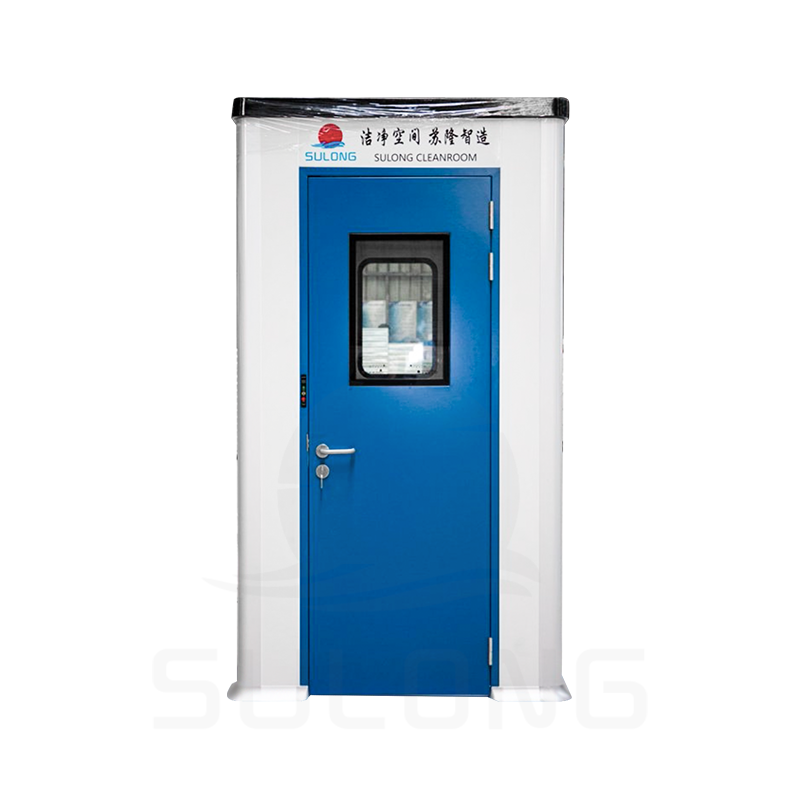
 Home / News / Industry News / How Does an Electric Cleanroom Door Actually Work? A Practical Buying Guide
2026-08-13
If you have ever walked through a pharmaceutical plant, a semiconductor fab, or a hospital sterile processing unit, you have probably passed through an electric cleanroom door without giving it much thought. That is actually the point — a good electric cleanroom door should work quietly in the background, keeping contamination out while letting people and equipment move through with minimal friction. But behind that simple swing or slide is a surprising amount of engineering. This article breaks down how these doors work, why so many facilities are switching from manual to electric, and what you should actually look for before buying one.
Content
A standard commercial door is designed to keep people in or out. An electric cleanroom door has a completely different job: it has to control air, particles, and pressure while still letting people pass through quickly and safely. That difference shapes almost every part of its design. The frame is sealed instead of just fitted, the surface is smooth and non-shedding instead of textured, and the motor system is tuned to open and close without generating turbulence that could stir up particles.
Most electric cleanroom doors also include sensors that regular doors simply do not need — devices that detect pressure differentials, monitor door position, and sometimes even interlock with neighboring doors so that two doors into the same airlock can never be open at the same time.
The "electric" part of an electric cleanroom door refers to the motorized drive system that opens, closes, and locks the door automatically. Instead of a person pushing or pulling a handle, a small motor — usually paired with a belt, gear, or linear actuator — moves the door panel along a track or hinge. The motor is typically triggered by one of the following:
Once triggered, the door moves at a controlled speed, usually adjustable, so it does not slam or create a sudden pressure change inside the room. Many models also include a soft-close feature and an obstruction sensor that stops the door if something — or someone — is in the way.
It might seem like overkill to automate something as simple as opening a door, but in a cleanroom environment, hands-free operation solves several real problems at once. First, it reduces contact points. Workers wearing gowns, gloves, and masks should not have to touch a handle every time they move between rooms, since that handle becomes a collection point for particles and microbes. Second, automatic doors help maintain pressure differentials between rooms of different cleanliness classes. A manually operated door left ajar for even a few seconds can disrupt the airflow balance that took the HVAC system minutes to establish.
Third, electric doors support better workflow, especially when workers are pushing carts, carrying trays, or moving equipment. Hands-free access means fewer dropped items and less risk of a gowned worker brushing against a doorframe.
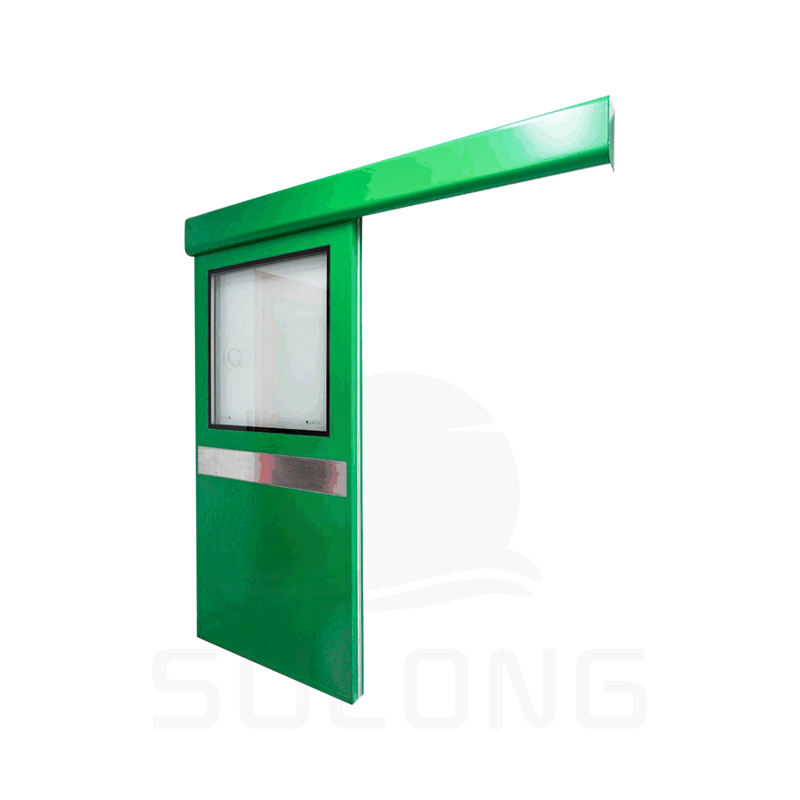
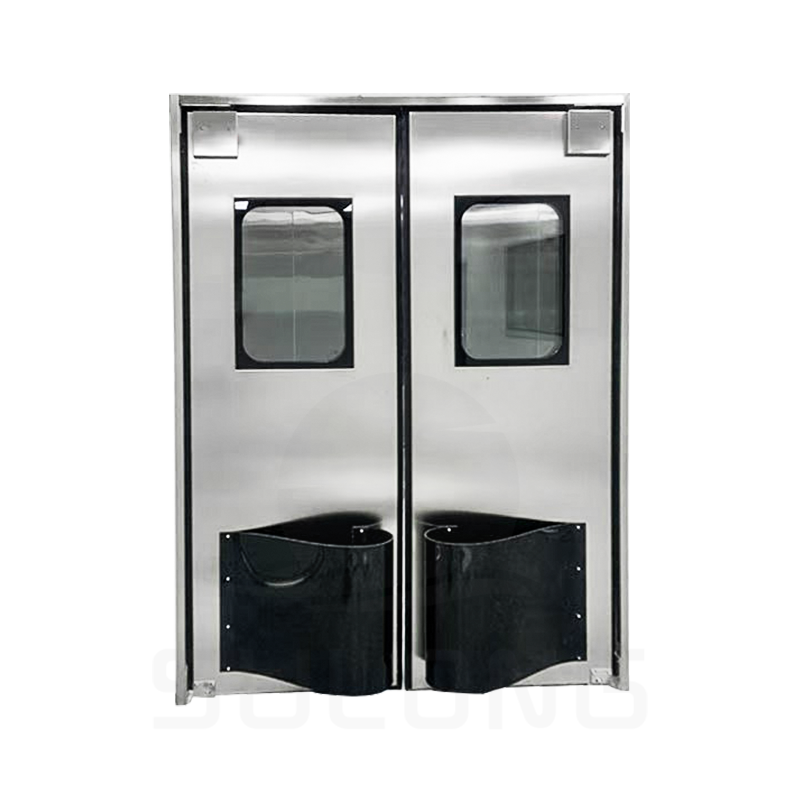
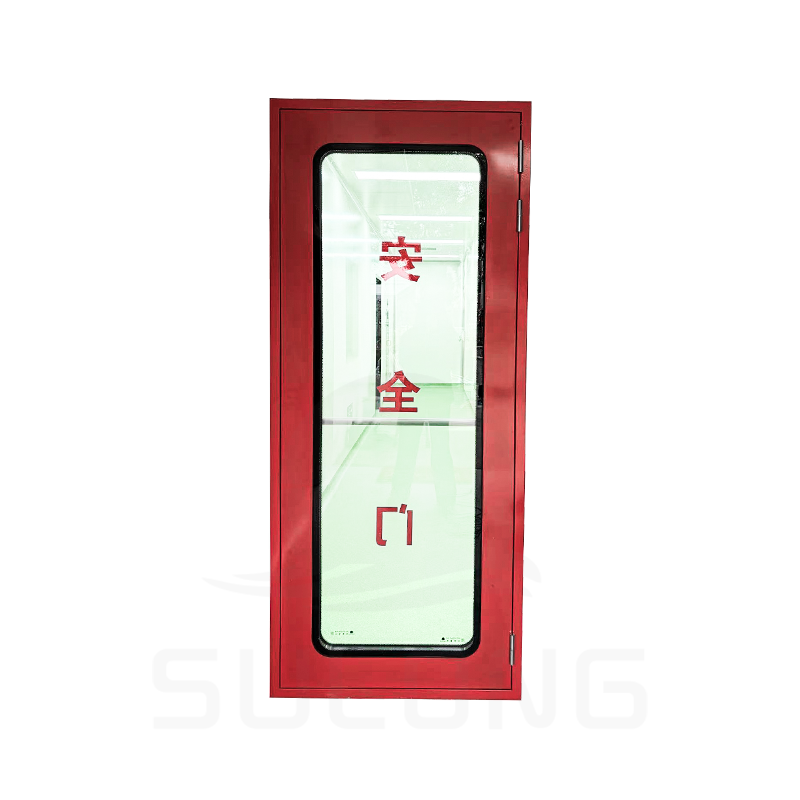
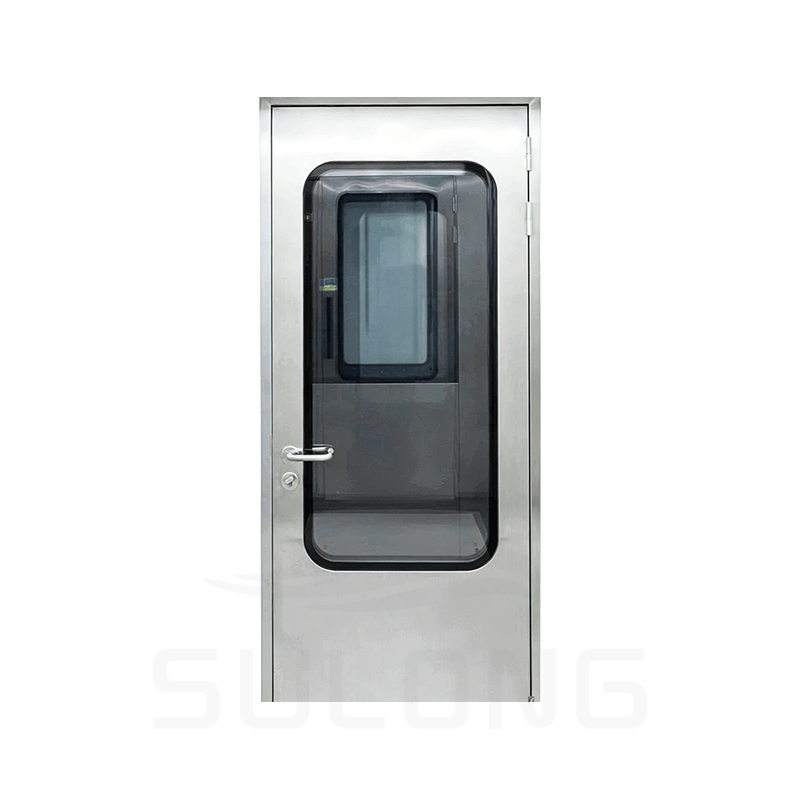
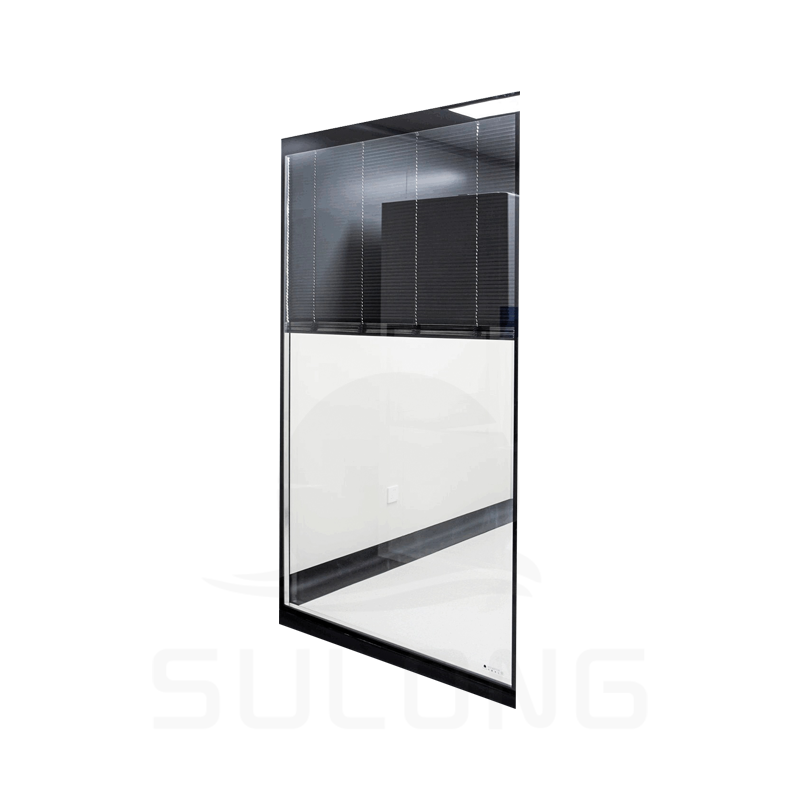
Not every electric cleanroom door looks or moves the same way. The right type depends on the room layout, the cleanliness class required, and how much traffic passes through daily.
| Door Type | Best Use Case | Key Advantage |
| Electric Sliding Door | High-traffic corridors | Saves floor space, minimal air disturbance |
| Electric Swing Door | Standard cleanroom entries | Simple structure, easy maintenance |
| Electric Roller Door | Equipment or pass-through openings | Handles wide openings efficiently |
| Interlocked Airlock Door | Rooms requiring strict pressure control | Prevents both doors opening simultaneously |
Choosing an electric cleanroom door is not just about picking whichever one looks sturdy. A few technical details make a real difference in daily performance and long-term maintenance costs.
Look for doors with continuous gasket seals along all edges. A door that seals well when closed prevents unfiltered air from leaking into a controlled space, which matters enormously in ISO Class 5 to Class 8 environments.
Powder-coated steel, stainless steel, and certain rigid PVC composites are common choices because they resist corrosion, do not flake, and can be wiped down with disinfectants repeatedly without degrading.
Since the door depends on electricity to function, check whether it includes a manual override or battery backup. In a power outage, staff still need a way to get in or out without dismantling the door.
If the door will be part of an airlock system, confirm it can integrate with interlock controllers and send alerts if it is left open too long or if a pressure imbalance is detected.
Installing an electric cleanroom door usually requires coordination between the door supplier, the HVAC contractor, and the electrical team, since the door's operation needs to be synchronized with room pressure and airflow settings. Once installed, maintenance is generally straightforward but should not be skipped:
Facilities that follow a consistent maintenance routine tend to get many years of reliable service out of these doors, while neglected units are far more likely to develop seal failures or sensor malfunctions that compromise the entire cleanroom's classification.
While the technology is fairly consistent, the specific requirements shift depending on the industry. Pharmaceutical manufacturing plants often require the strictest sealing and interlock features because of GMP compliance. Semiconductor fabs prioritize particle control above almost everything else, since even microscopic contamination can ruin a wafer. Hospitals and medical device manufacturers focus heavily on infection control and easy-clean surfaces, while food processing facilities look for doors that can withstand frequent washdowns and temperature swings between processing and cold storage areas.
Understanding which of these priorities matters most for your facility will help narrow down the right electric cleanroom door configuration long before you start requesting quotes.

Follow Us:
 Call us :
  Mail us to:


 English
 中文简体
中文简体