 Home / News / Industry News / Cleanroom Windows 101: What They're Made Of and How to Pick the Right Ones
2026-06-22
Cleanroom windows do a lot more work than people realize. They are not just a way to let supervisors glance into a process area without gowning up; they are engineered components that have to maintain airtight seals, resist particle shedding, withstand repeated cleaning with harsh chemicals, and in many cases meet strict fire and pressure ratings. Getting cleanroom windows wrong can compromise contamination control across an entire facility, while getting them right supports both compliance and day-to-day operational efficiency. This article walks through what cleanroom windows are made of, the different styles available, the standards they need to meet, and how to keep them performing well over the long run.
Content
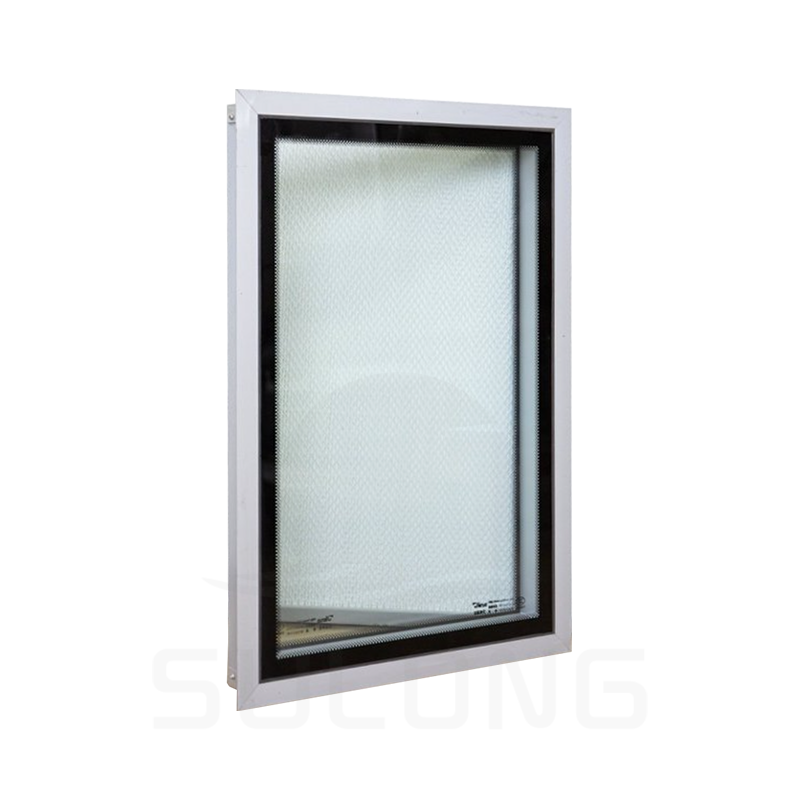
A standard office or residential window is built for insulation and aesthetics, not contamination control, which is why cleanroom windows are designed around a completely different set of priorities. The most important requirement is a flush, gasketed installation that eliminates gaps where particles, moisture, or microorganisms could collect. Cleanroom windows are typically mounted flush with the wall surface on at least one side, and often on both sides, so there are no ledges or recesses that could trap dust and complicate cleaning.
Material selection also matters enormously. Frames are usually constructed from anodized aluminum, stainless steel, or powder-coated steel because these materials resist corrosion, don't shed particles, and tolerate frequent wipe-downs with disinfectants or solvents. The glazing itself, whether glass or acrylic, has to be free of surface irregularities that could harbor contaminants and needs to withstand the pressure differentials that many cleanrooms maintain between adjacent spaces.
Cleanroom window systems vary based on how they are mounted, what they are made of, and what additional performance features they include. Choosing the right type depends on the cleanroom classification, the application, and any special requirements like fire resistance or radiation shielding.
These are the most common style of cleanroom window, installed so the glazing sits perfectly level with the wall surface on the cleanroom side. Flush mounting eliminates dust-collecting ledges and makes wipe-down cleaning fast and effective, which is why this style dominates pharmaceutical and electronics manufacturing environments.
In cleanrooms that maintain strict pressure differentials between adjacent rooms, double-glazed windows with sealed air gaps help prevent condensation and provide an added layer of insulation against pressure-related stress. These are common in biosafety labs and isolation suites where pressure cascades are critical to contamination control.
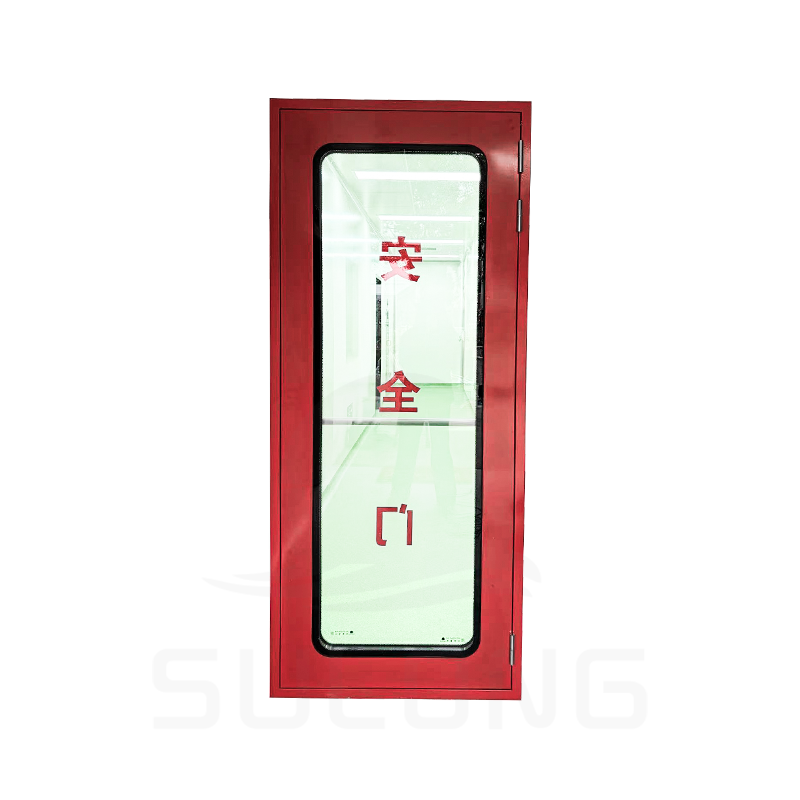
Facilities that require fire compartmentalization, such as those handling flammable solvents or gases, often need fire-rated glazing built into their cleanroom wall systems. These windows use specialized fire-rated glass and frame assemblies certified to withstand specific time ratings, commonly 60 or 90 minutes, without compromising the wall's fire barrier.
For cleanrooms used in radiopharmaceutical production or certain medical device manufacturing processes, windows may need lead-lined glass to shield operators from radiation exposure while still allowing visual monitoring of the process area.
Choosing between glass and acrylic glazing, or between aluminum and stainless steel framing, depends on the cleanroom's classification, budget, and exposure to chemicals or impact risks.
| Material | Best Suited For | Key Advantage |
| Tempered Glass | Pharmaceutical and food production cleanrooms | Scratch resistant and easy to sterilize |
| Acrylic (PMMA) | Labs needing impact resistance | Lightweight and shatter resistant |
| Anodized Aluminum Frame | General-purpose cleanrooms | Corrosion resistant and cost effective |
| Stainless Steel Frame | High-sanitation environments like biotech | Withstands aggressive chemical cleaning |
Cleanroom windows have to support whatever cleanroom classification a facility operates under, since the window assembly is part of the room's overall contamination control strategy. ISO 14644-1 defines the particle count limits for cleanroom classes ranging from ISO Class 1, the cleanest, to ISO Class 9. Higher classifications, such as ISO 5 or cleaner, demand windows with tighter seals, smoother surfaces, and stricter outgassing limits on any sealants or gaskets used in installation.
Beyond particle classification, many industries layer on additional requirements. Pharmaceutical cleanrooms operating under GMP guidelines often require documentation proving that window materials and sealants won't shed particles or react with cleaning agents. Semiconductor fabs may require windows with anti-static coatings to prevent electrostatic discharge near sensitive electronics. Facilities in regions with strict building codes may also need to confirm that fire-rated windows carry the appropriate UL or ASTM certification for their specific application.
Even a well-manufactured cleanroom window will underperform if it's installed poorly. A few installation principles consistently separate a high-performing cleanroom envelope from one that develops contamination issues down the line.
Cleanroom windows are exposed to frequent cleaning cycles, which makes long-term maintenance a real consideration rather than an afterthought. Regular wipe-downs with approved disinfectants keep the glazing clear and free of biofilm or residue, but the cleaning chemicals themselves can degrade certain sealants and gaskets over time if they aren't chemically compatible.
Facilities that build window inspection into their existing preventive maintenance schedule tend to catch small sealant or gasket issues long before they become contamination events, which is far less costly than addressing a failed particle count audit after the fact.
Not every window manufacturer understands the specific demands of cleanroom environments, so it's worth vetting suppliers carefully before committing to a project. A good starting point is asking whether the supplier can provide documentation on outgassing rates, particle shedding tests, and compatibility with common cleanroom disinfectants. Suppliers experienced in pharmaceutical or semiconductor cleanrooms will typically have this data readily available, since their customers' regulatory audits depend on it.
It's also worth confirming lead times and custom sizing capabilities, since cleanroom wall layouts rarely match standard window dimensions exactly. A supplier who can produce custom flush-mount frames, integrate fire ratings where needed, and support on-site technical consultation during installation will generally deliver a smoother project than one offering only off-the-shelf sizes.
Cleanroom windows sit at the intersection of visibility, safety, and contamination control, and getting the details right pays off across the entire life of a facility. Choosing the correct glazing and frame material, matching the window to the room's classification and pressure requirements, installing it with proper sealing technique, and maintaining it on a consistent schedule all work together to keep a cleanroom performing the way it's designed to. Whether outfitting a brand-new pharmaceutical suite or upgrading an aging semiconductor fab, treating cleanroom windows as a critical system component rather than a cosmetic feature is what keeps contamination control intact for the long haul.

Follow Us:
 Call us :
  Mail us to:


 English
 中文简体
中文简体