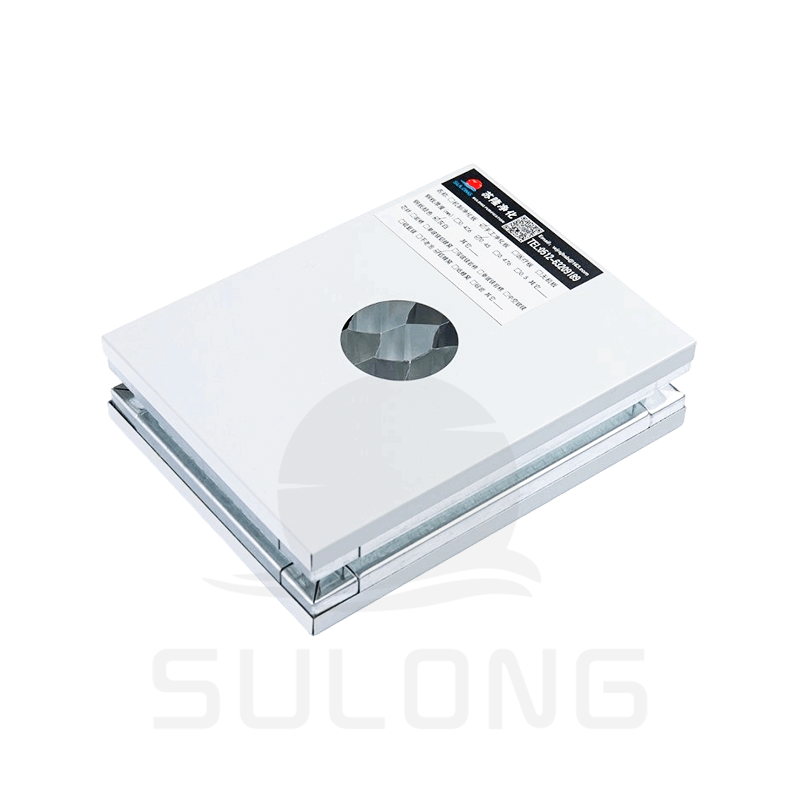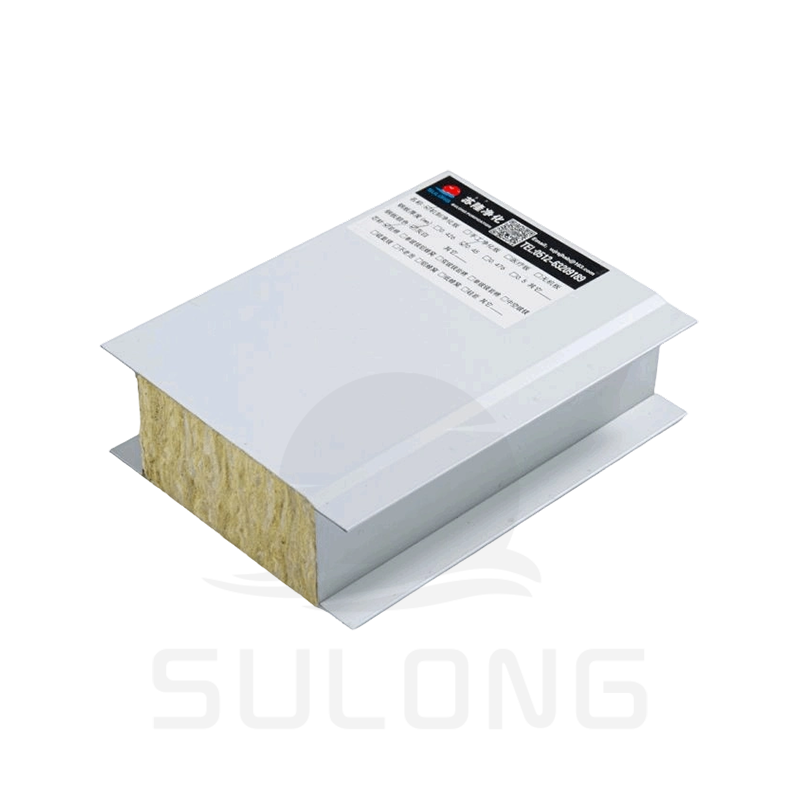
 Home / News / Industry News / How does the PCGI type sandwich panel enhance installation efficiency and safety?
2026-02-23
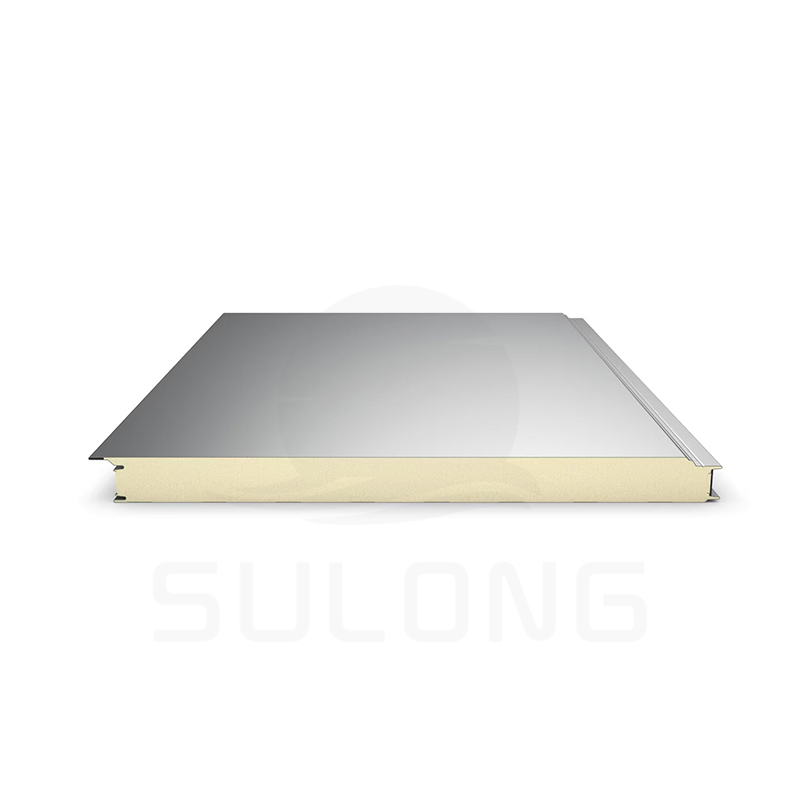
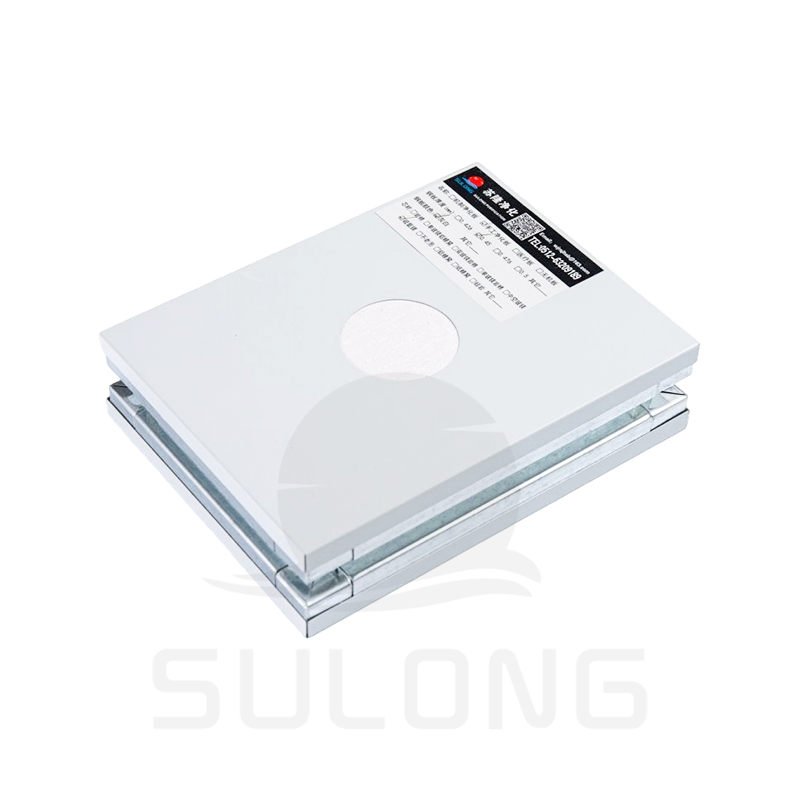
Construction projects often face time and labor challenges. Choosing materials that reduce complexity can make a significant difference. PCGI sandwich panels have emerged as a practical solution. Their design and properties allow for faster, more efficient installation than many traditional materials. But what makes them stand out in terms of construction efficiency?
One of the main factors is their weight and uniformity. Panels are lightweight compared to conventional wall or roof materials, yet maintain structural strength.
Key advantages include:
These aspects combine to reduce the effort required from labor teams, allowing projects to progress smoothly without excessive physical demands.
Panel size directly impacts how quickly and efficiently roofing or cladding can be installed, and panels are purposefully crafted in larger dimensions to streamline the entire process. Traditional alternatives—think small tiles, individual shingles, bricks, or multi-ply layered systems—often require dozens or hundreds of separate pieces (plus repeated layering) to cover the same surface area. Yuanda's bigger panels let installers span wide sections in far fewer steps, dramatically accelerating progress.
The important advantages of working with larger panel sizes include:
A clear illustration: To protect 100 square meters of roof surface, Yuanda's larger panels typically require only a fraction of the individual pieces needed with conventional small-format materials. That lower piece count directly translates to less lifting, less carrying across the roof, less staging on the ground, fewer trips up and down ladders or scaffolding, and significantly reduced total labor hours.

Follow Us:
 Call us :
  Mail us to:


 English
 中文简体
中文简体