
2026-02-24
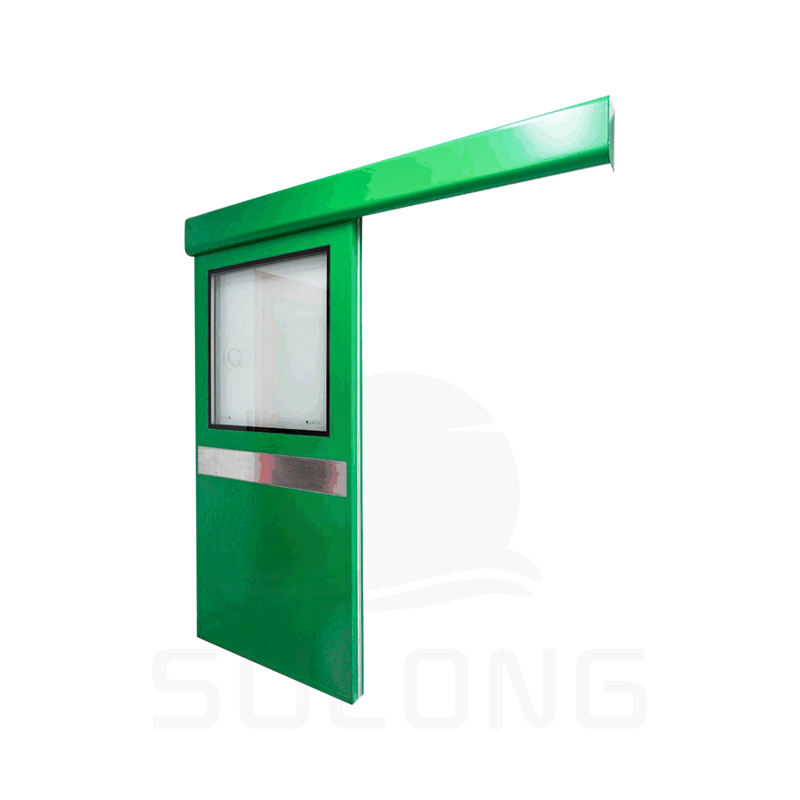
Controlled environments rely on precision. Walls define boundaries. Windows provide visibility. When these two elements meet, the connection must be smooth, stable, and sealed. The integration of the clean room window with the wall panels is not only a design detail. It shapes hygiene control, workflow clarity, and long-term durability.
In modern facilities, windows are no longer added as afterthoughts. They are designed as part of the wall system. Their structure, placement, and installation method are coordinated from the early planning stage. This approach reduces gaps, uneven surfaces, and contamination risks. A seamless connection is both visual and structural. It allows walls and windows to function as one unit rather than separate components.
Cleanrooms demand near-perfect control, and even small design flaws can become major liabilities. Tiny gaps between wall sections or around window frames can trap dust, particles, and residues over time. Protruding edges or uneven joints create surfaces that are hard to wipe down completely and consistently. Poorly aligned components can interfere with laminar airflow, pressure stability, or the ability to maintain clear visual oversight between zones.
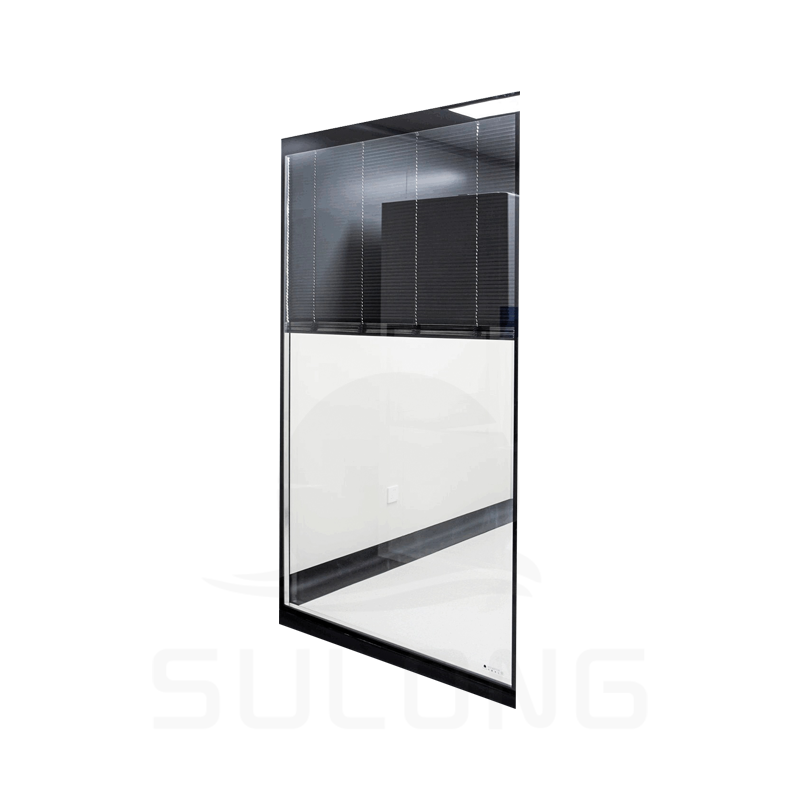
When transparent panels or observation windows are truly seamlessly integrated into the modular partition system, the wall plane stays perfectly flush and uninterrupted. There are no lips, recesses, shadow lines, or exposed fasteners where contaminants could settle or hide. This clean, continuous surface eliminates hidden pockets that would otherwise require special cleaning tools, extended decontamination cycles, or increased validation effort.
Seamless integration also delivers meaningful operational improvements:
This level of integration impacts several essential performance dimensions at the same time:
When these aspects are properly addressed through thoughtful, seamless design, the cleanroom achieves both uncompromising contamination control and genuinely efficient day-to-day operation. The environment becomes easier to sustain at the required classification, workflows flow more naturally, and the overall risk profile improves noticeably.

Follow Us:
 Call us :
  Mail us to:


 English
 中文简体
中文简体