 Home / News / Industry News / Stainless Steel Cleanroom Door: The Essential Guide to Choosing, Installing, and Maintaining the Right One
2026-07-09
Content
If you work in a pharmaceutical plant, a semiconductor fab, or a food processing facility, you already know that every detail counts when maintaining a clean environment. One of the most overlooked yet critical components is the door. A stainless steel cleanroom door isn’t just a door – it’s a barrier that protects your entire operation from contamination, pressure loss, and regulatory headaches. This guide walks you through materials, types, key specifications, installation, and maintenance, so you can choose and use the right door with confidence.
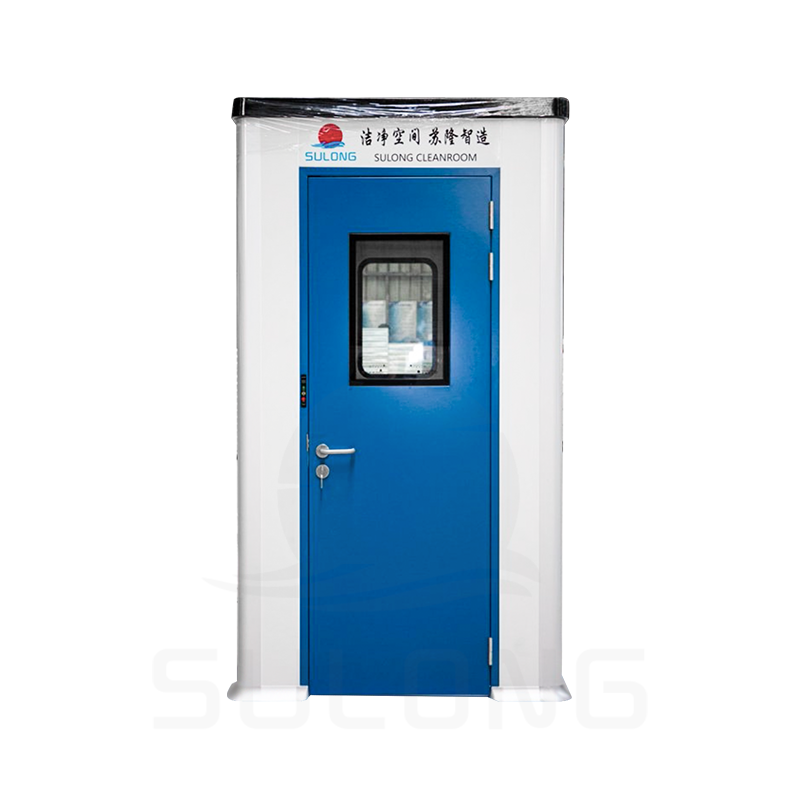
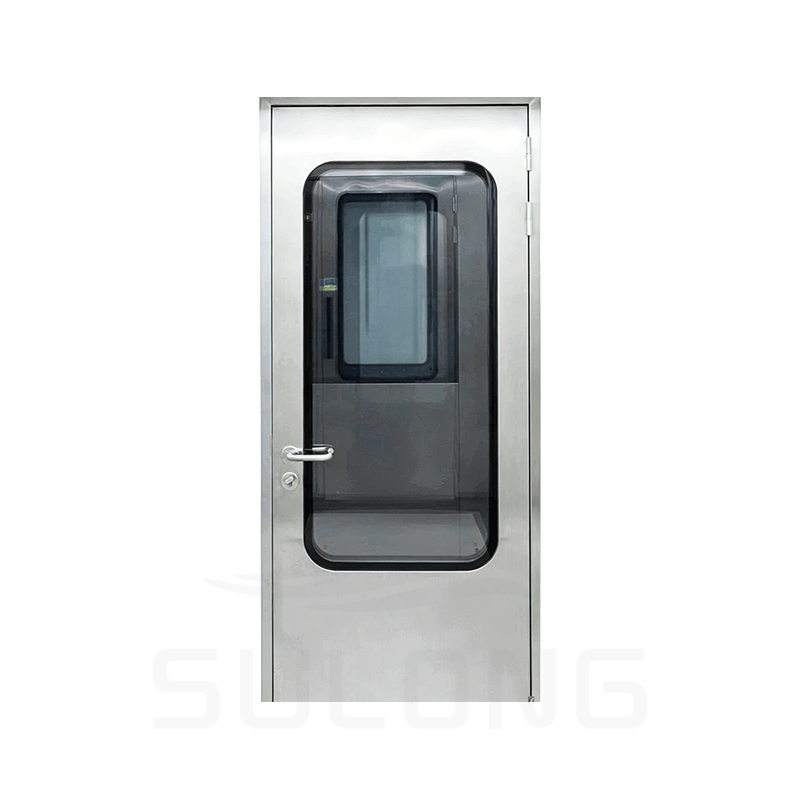
A stainless steel cleanroom door is a specialised door designed for controlled environments where cleanliness, air pressure, and contamination control are critical. Unlike standard commercial doors, these are built with smooth, non‑porous surfaces, tight seals, and corrosion‑resistant materials to prevent particle accumulation and maintain the integrity of the cleanroom.
Most stainless steel cleanroom doors use 304 or 316L stainless steel panels with an electro‑polished finish that achieves a surface roughness of Ra≤0.4μm – the smoother the surface, the less dust and bacteria can cling to it. The internal core is typically an aluminium honeycomb or fireproof rock wool, providing strength and insulation. EPDM sealing strips are fitted around the frame to ensure an airtight seal when closed. Some models include a double‑glazed tempered glass observation window for visibility without compromising cleanliness.
Not all cleanroom doors are equal. Here’s how stainless steel compares to other common materials:
| Material | Key Features | Best Applications |
| Stainless Steel (304 / 316L) | Corrosion‑resistant, withstands VHP and ozone, electro‑polished surface, easy to clean | Pharma Grade A/B areas, high‑end semiconductor cleanrooms, high‑humidity food plants |
| Colour‑coated Steel | Low cost, easy to process, dust‑proof coating | Grade C/D clean areas, general electronics assembly |
| Melamine (Compact Laminate) | Acid/alkali resistant, non‑toxic, FDA food‑contact compliant | Dairy and meat processing plants |
| High‑Pressure Laminate | Silver‑ion antimicrobial coating, high surface hardness | Hospital operating rooms, ICUs |
Stainless steel stands out because it can endure frequent cleaning with strong disinfectants without rusting, pitting, or discolouring. The 316L grade, which contains molybdenum, offers even better resistance to chloride corrosion – perfect for facilities that use chlorine‑based sanitisers daily.
The way your door opens affects both convenience and contamination risk. Here are the four main types you’ll encounter.
Sliding doors run on a track and are often activated by infrared sensors – you don’t need to touch them at all. This touchless operation makes them the top choice for pharma Grade A/B areas and ISO Class 5 or higher cleanrooms. They usually include delayed closing and anti‑pinch features, and the door leaf drops slightly when fully closed to compress the seal for better airtightness.
Swing doors are simpler in design and more affordable. They’re widely used in general clean areas, auxiliary rooms, and lower‑grade zones. Although you have to push or pull them by hand, good‑quality EPDM seals still ensure proper pressure and cleanliness. Maintenance is straightforward and repair costs are lower compared to automatic options.
These open and close at speeds of 0.8 to 1.5 m/s (adjustable). They’re ideal for logistics corridors, goods‑handling areas, and food plant loading bays where frequent traffic requires quick cycling to minimise air exchange and save energy.
These doors swing both ways, making them perfect for material‑handling areas where trolleys and forklifts pass through frequently. They’re very practical in food packaging lines and transfer stations, though their sealing performance is not as tight as the other types.
When you talk to suppliers, don’t just ask for the price – pay close attention to these parameters, because they determine whether the door will actually meet your cleanroom requirements.
| Parameter | Typical Requirement | Why It Matters |
| Stainless Steel Grade | 304 or 316L | 316L offers superior corrosion resistance for harsh oxidative disinfectants |
| Panel Thickness | 0.8 – 1.2 mm | Thicker panels resist impacts and deformation better |
| Surface Finish | Electro‑polished, Ra≤0.4μm | Smoother surfaces reduce particle adhesion and make cleaning easier |
| Air Tightness | Leakage ≤1.0 m³/(h·m²) at 100Pa | Poor tightness loses pressure and compromises cleanliness |
| Fire Resistance | ≥1.0 hour (with 50mm rock wool core) | Essential for life safety and fire inspection compliance |
| Cycle Life | ≥500,000 cycles | High‑traffic areas need durable doors that won’t wear out quickly |
| Core Material | Aluminium honeycomb or fireproof rock wool | Honeycomb gives light weight and strength; rock wool provides fire insulation |
Also worth noting: a new national standard – GB/T 47162‑2026 “General Technical Requirements for Cleanroom Doors” – took effect on September 1, 2026. It sets clear, quantified benchmarks for corrosion resistance, antimicrobial properties, sealing, impact resistance, and durability. When purchasing, look for products that comply with this standard and ask for third‑party test reports, especially for air tightness, fire resistance, and antimicrobial performance.
Stainless steel cleanroom doors are used across a wide range of high‑stakes sectors.
In GMP‑certified facilities, Grade A/B areas demand the strictest door materials and sealing. Vapourised hydrogen peroxide (VHP) and ozone sterilisation are routine – stainless steel resists these aggressive agents without corroding, and its smooth surface doesn’t trap residues, making it the industry standard.
In semiconductor fabs, a single 0.5‑micron particle can ruin an entire wafer. That’s why doors in these cleanrooms must be anti‑static as well as smooth. Many stainless steel cleanroom doors come with an anti‑static coating that keeps surface resistance in the 10⁶–10⁹ ohm range, preventing electrostatic attraction of particles.
Food plants are washed down daily with high‑pressure water and a variety of sanitisers – alcohol, sodium hypochlorite, peracetic acid. Stainless steel doors resist these chemicals and won’t rust. Their tight seals also keep out pests and dust, which is a key requirement in HACCP plans.
Operating theatres, ICUs, and isolation wards often require ISO 14644‑1 Class 5 cleanliness levels. Doors here often include double‑glazed observation windows with anti‑fog and antimicrobial films, allowing medical staff to monitor patients while maintaining positive or negative pressure.
BSL‑2 and BSL‑3 labs need airtight doors that can hold negative pressure to prevent leakage of hazardous microorganisms. Stainless steel is non‑absorbent and easy to decontaminate, making it an ideal choice for these high‑risk environments.
Even the best door will fail if it’s not installed correctly. A proper installation follows these essential steps.
The industry rule of thumb is that the gaps around the door leaf should be uniform, and nothing should obstruct the swing or slide path. If the floor level error exceeds ±2 mm, you must level it first – otherwise, you’ll never achieve a good seal.
Stainless steel cleanroom doors are built to last, but they still need regular care. A little routine attention goes a long way.
On September 1, 2026, the national standard GB/T 47162‑2026 “General Technical Requirements for Cleanroom Doors” came into effect. This is the first comprehensive standard in China specifically for cleanroom doors. It classifies doors by material (colour‑coated steel, stainless steel, galvanised steel, etc.), drive method (manual, semi‑automatic, automatic), and structural type, and it sets quantified performance targets for each.
This standard does not apply to floor‑spring doors, folding doors, free‑swing double‑action doors, or doors with special protective functions like fire doors, security doors, cold‑storage doors, blast doors, or radiation‑shielding doors. But for the vast majority of stainless steel cleanroom doors in typical use, it provides an authoritative technical benchmark. When sourcing, you can confidently ask suppliers for test reports that confirm compliance with this standard.
To summarise, here’s a handy checklist to guide your choice.
| Factor to Consider | What to Look For |
| Cleanroom Grade | ISO 5 and above → automatic sliding; ISO 7/8 → swing doors may suffice |
| Disinfection Method | Frequent VHP/ozone → choose 316L stainless steel (304 is not enough) |
| Traffic Frequency | High‑traffic areas (hundreds of cycles/day) → look for ≥500,000 cycle certification |
| Opening Preference | Grade A/B pharma → sensor‑activated sliding; general zones → hinged; logistics → rapid roll |
| Fire Safety | If used in fire compartment separation → must have rock wool core with ≥1h fire rating |
| Supplier Credentials | Prefer suppliers with ISO 9001 and ISO 13485 (for medical), and ask for third‑party test reports |
| Industry Experience | Ask for case studies in your specific sector – proven experience is a big plus |
A stainless steel cleanroom door does cost more upfront than a standard door, but it buys you product safety, uninterrupted production, and peace of mind during regulatory audits. In a cleanroom, the door is not a minor accessory – it’s a key link in the environmental control chain. Choose the right one, install it properly, and maintain it well, and it will serve you reliably for many years.
With the new GB/T 47162‑2026 standard raising the industry bar, now is a good time to review your current doors – or plan for new ones. A small change at the entrance can prevent a lot of trouble down the road.

Follow Us:
 Call us :
  Mail us to:


 English
 中文简体
中文简体