 Home / News / Industry News / Cleanroom Safety Door 101: How These Doors Keep Your Facility Both Clean and Safe
2026-07-02
Content
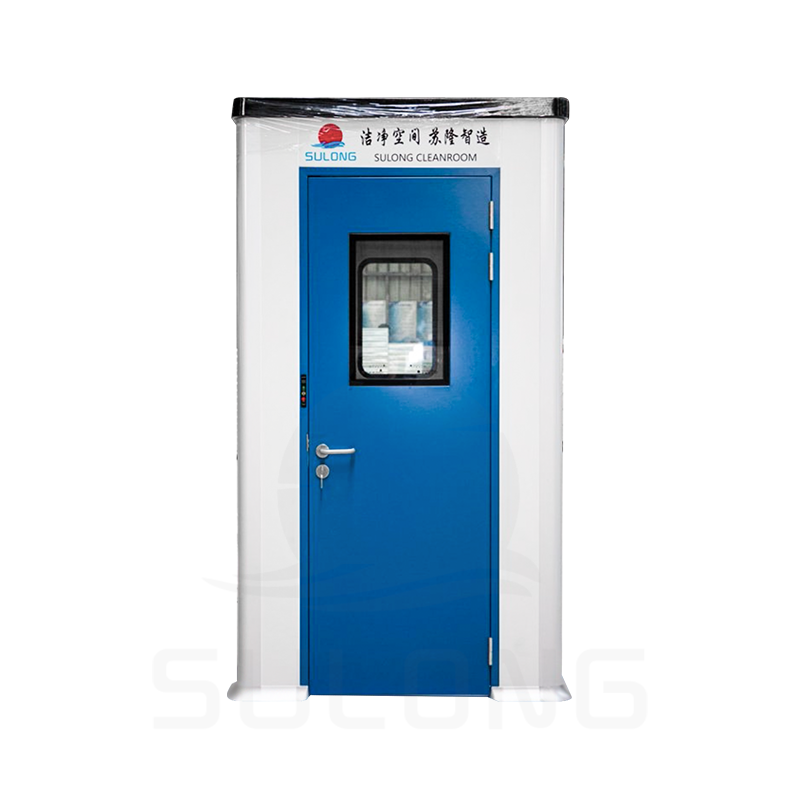
A cleanroom safety door is a specialized door system engineered to maintain strict environmental control while also protecting the people who work inside classified spaces. Unlike a standard interior door, a cleanroom safety door is built with sealed edges, smooth non-shedding surfaces, and airtight gaskets that prevent particles, contaminants, and unwanted airflow from crossing between rooms of different cleanliness classifications. At the same time, it incorporates safety features such as vision panels, emergency push bars, and interlock mechanisms so that personnel can exit quickly during an emergency without compromising the room's controlled environment.
These doors are common in pharmaceutical manufacturing, semiconductor fabs, hospital operating suites, biotech labs, and food processing facilities where both contamination control and occupant safety are non-negotiable. Choosing the right cleanroom safety door is not just about compliance; it directly affects product quality, worker protection, and long-term operational efficiency.
Not every door labeled "cleanroom" actually meets the performance standards required in regulated environments. A genuinely reliable cleanroom safety door includes several engineered features working together.
Continuous silicone or PVC gaskets run along the door frame to block air leakage, which is essential for maintaining pressure differentials between adjoining rooms.
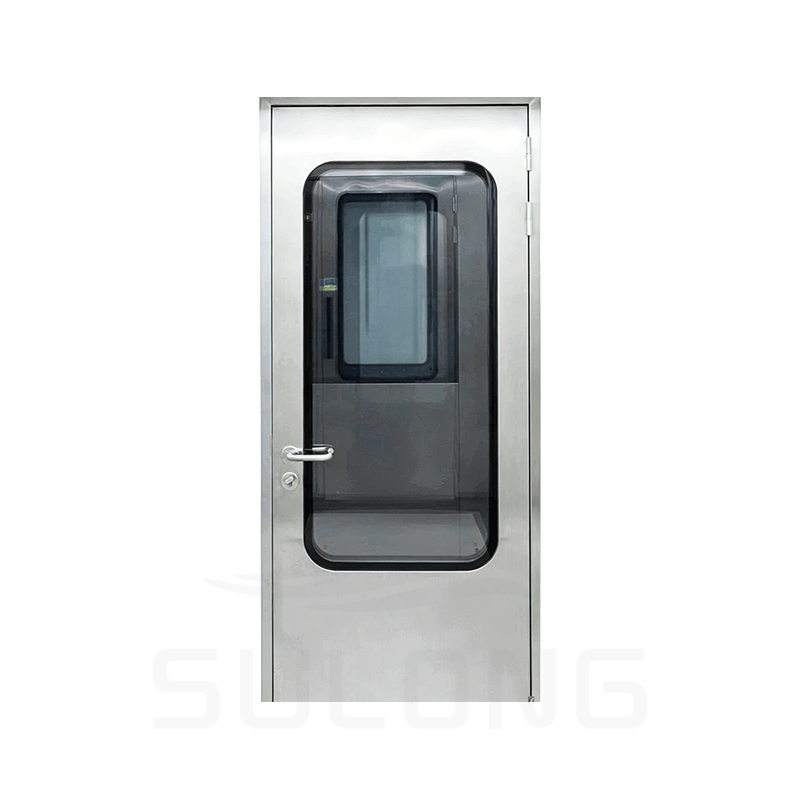
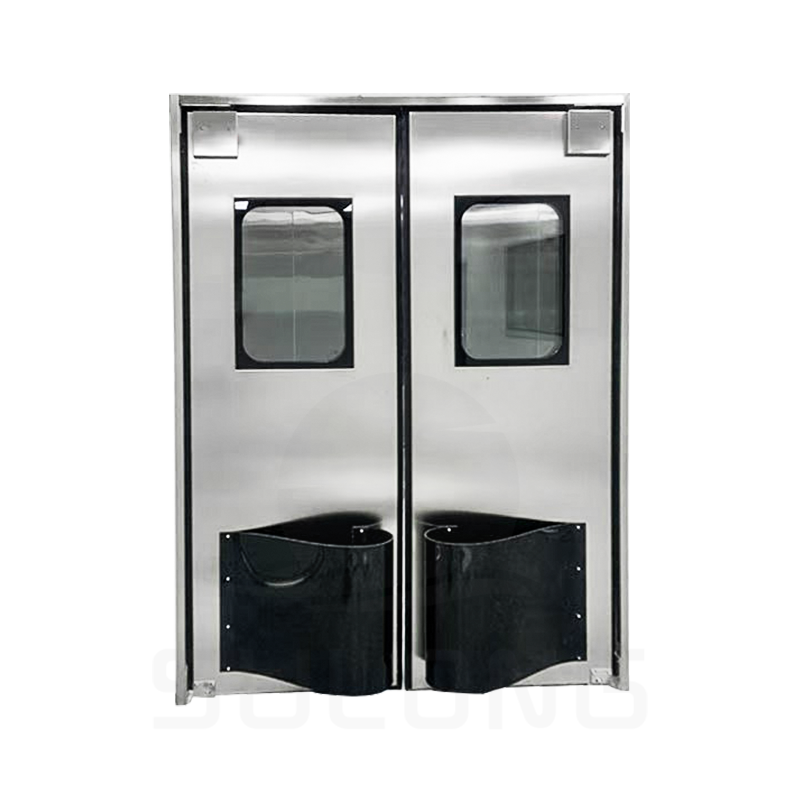
Doors are typically constructed from powder-coated steel, stainless steel, or reinforced fiberglass panels with rounded corners, eliminating crevices where dust or microbes could accumulate.
Panic bars, crash-out hinges, or fail-safe locking systems allow the door to open outward instantly during an emergency, even if it was previously sealed for containment purposes.
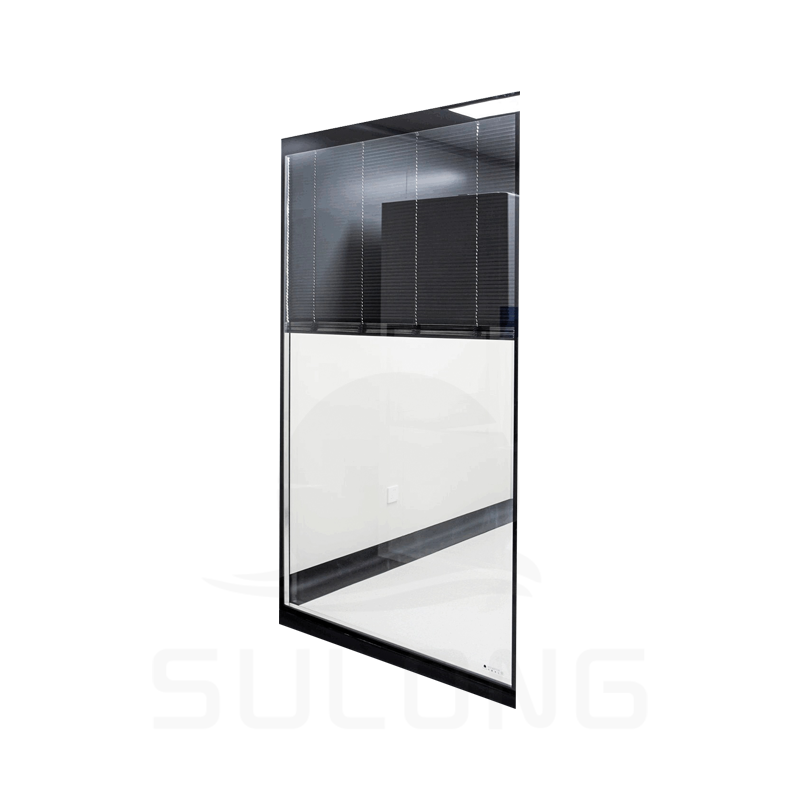
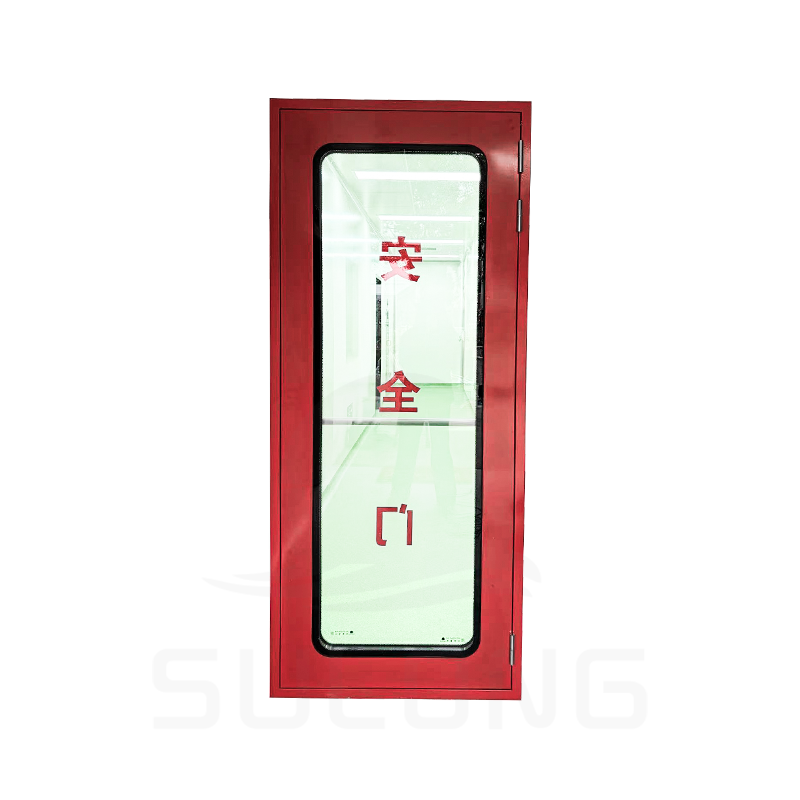
Tempered glass vision panels let staff see activity on the other side before entering, reducing collision risk and supporting supervision of restricted areas.
Facilities choose different door configurations depending on traffic flow, cleanliness class, and the specific safety hazards present in each zone.
| Door Type | Operation Style | Best Application |
| Swing Cleanroom Door | Manual or automatic swing | General cleanroom entry points |
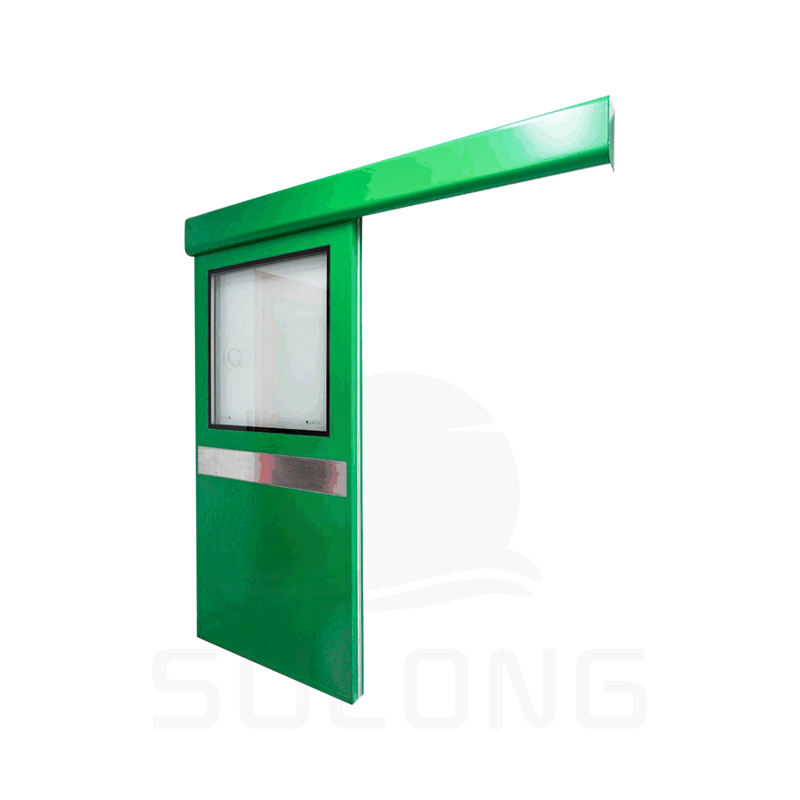
| Sliding Cleanroom Door | Horizontal slide | Narrow corridors, high-traffic zones |
| Interlocked Airlock Door | Paired doors, sequential opening | Pressure-controlled gowning rooms |
| Emergency Exit Safety Door | Push-bar outward swing | Fire exits, evacuation routes |
Each type of cleanroom safety door serves a distinct purpose, and many facilities combine several types across different zones to balance contamination control with fast, safe personnel movement.
Interlocking mechanisms are one of the most important safety and contamination-control features found in modern cleanroom door systems. An interlock prevents two connected doors from being opened at the same time, which stops uncontrolled air exchange between rooms of different classifications.
Facilities handling sterile products or hazardous materials typically require electronic interlocks paired with audible and visual alarms, ensuring staff are alerted the moment a sequencing violation occurs.
Selecting a cleanroom safety door requires evaluating more than appearance. Facility managers need to weigh cleanliness classification requirements, fire code obligations, and the daily movement patterns of staff and equipment.
Higher classification rooms, such as ISO 5 or ISO 6 environments, demand tighter seals and more rigorous gasket materials than lower classification support areas.
Every cleanroom safety door installed along an evacuation route must meet local fire codes, including proper egress width, panic hardware, and fire-rated construction where required.
Doors positioned along routes used for moving carts, pallets, or large equipment often benefit from automatic sliding mechanisms that reduce contact points and speed up transitions.
Even a high-quality cleanroom safety door will underperform if it is installed incorrectly. Proper installation protects both the seal integrity and the long-term function of safety hardware.
Routine maintenance keeps a cleanroom safety door performing at the level required by regulatory inspections and internal quality standards. Neglected doors are one of the most common causes of failed particle counts during audits.
Gaskets should be checked monthly for cracking, compression set, or gaps that could allow air leakage, and replaced promptly when wear is detected.
Hinges, closers, and locking mechanisms need cleanroom-compatible lubricants applied on a scheduled basis to prevent squeaking, sticking, or premature failure.
Door surfaces must be cleaned using approved disinfectants that will not corrode coatings or degrade the sealing materials over repeated use.
Understanding which standards apply to a facility helps ensure the cleanroom safety door selected will pass inspection and support ongoing certification.
| Standard | Focus Area |
| ISO 14644 | Cleanroom air cleanliness classification |
| NFPA 101 | Life safety and emergency egress requirements |
| cGMP Guidelines | Contamination control in pharmaceutical manufacturing |
| Local Fire Codes | Door rating, hardware, and evacuation compliance |
Even well-maintained doors eventually reach the end of their service life. Recognizing early warning signs prevents unexpected downtime or failed compliance inspections.
Yes, many manufacturers produce doors that combine fire-rated cores with airtight gasket systems, allowing a single door to satisfy both life-safety and contamination-control requirements.
Most regulated facilities test interlock functionality on a quarterly basis, though high-risk cleanrooms may require monthly verification as part of internal quality protocols.
Stainless steel and powder-coated galvanized steel are the most common choices due to their durability, chemical resistance, and ease of cleaning compared to wood or standard laminate doors.

Follow Us:
 Call us :
  Mail us to:


 English
 中文简体
中文简体