 Home / News / Industry News / Machine-Made Sandwich Panel: What Every Buyer Should Know Before Ordering
2026-08-25
Content
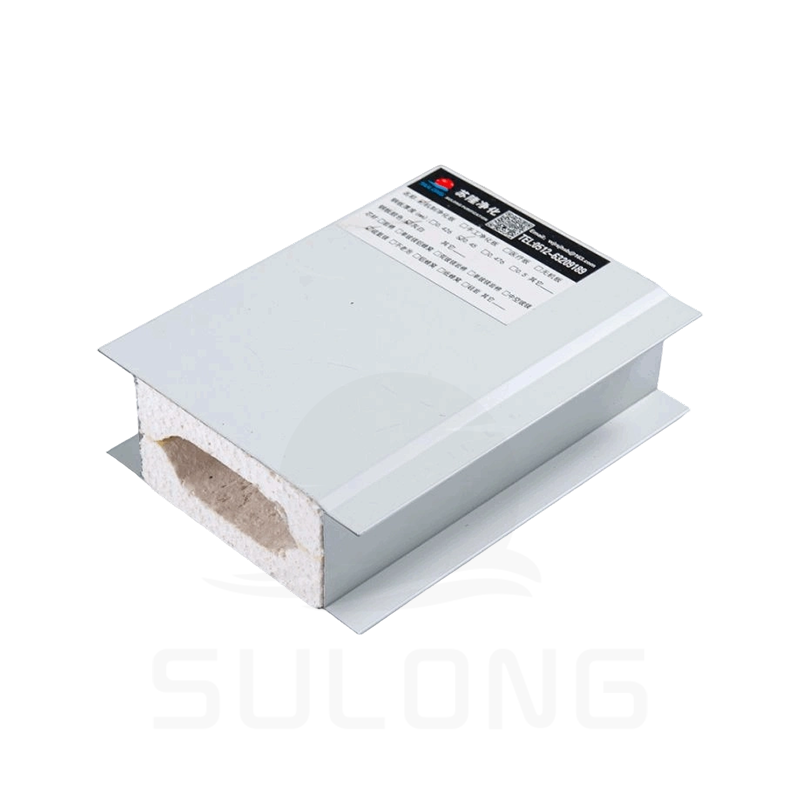
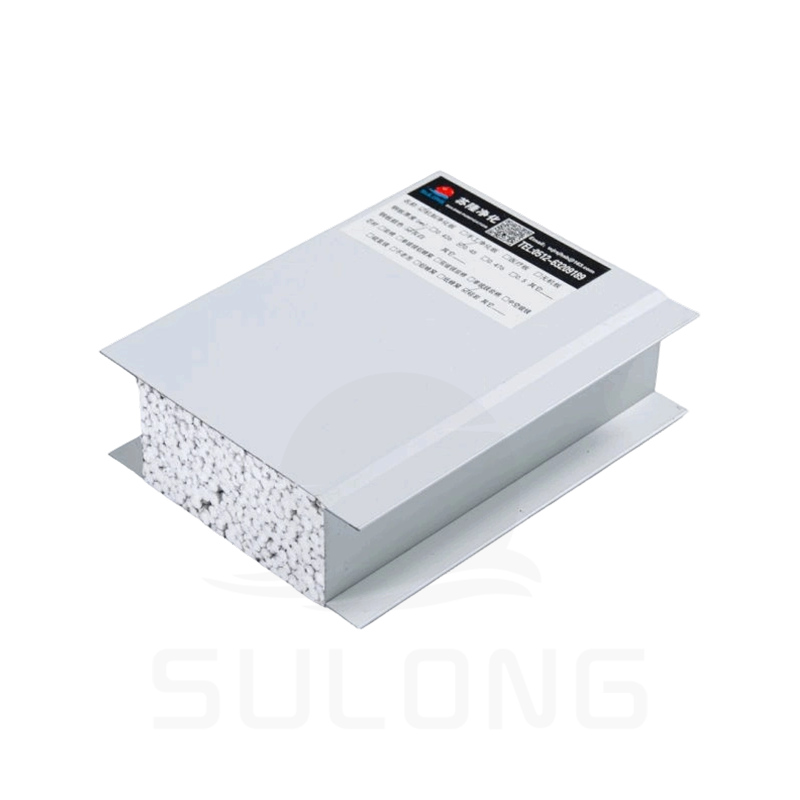
A machine-made sandwich panel is a composite building material produced on an automated production line, where two flat metal facings (usually steel or aluminum) are bonded to a lightweight insulating core in a single continuous process. Unlike hand-laid or manually assembled panels, every layer is fed, foamed or laminated, cut, and cured by machinery, which is why the finished panel has such consistent thickness, flatness, and bonding strength from the first meter to the last. This consistency is the main reason machine-made sandwich panels have become the default choice for warehouses, cold storage rooms, workshops, and prefabricated buildings.
The term "sandwich" simply describes the structure: a core material squeezed between two outer skins, much like the filling between two slices of bread. What changes from project to project is the core material, the panel thickness, and the profile of the steel facing, all of which affect insulation performance, fire rating, and load-bearing capacity.
Understanding the production line helps explain why machine-made panels outperform manually produced ones in almost every measurable way. The process generally follows these stages:
Because the entire line runs at a fixed speed with sensors monitoring temperature and pressure, defects like weak bonding, uneven core distribution, or warping are far less common than with panels assembled by hand.
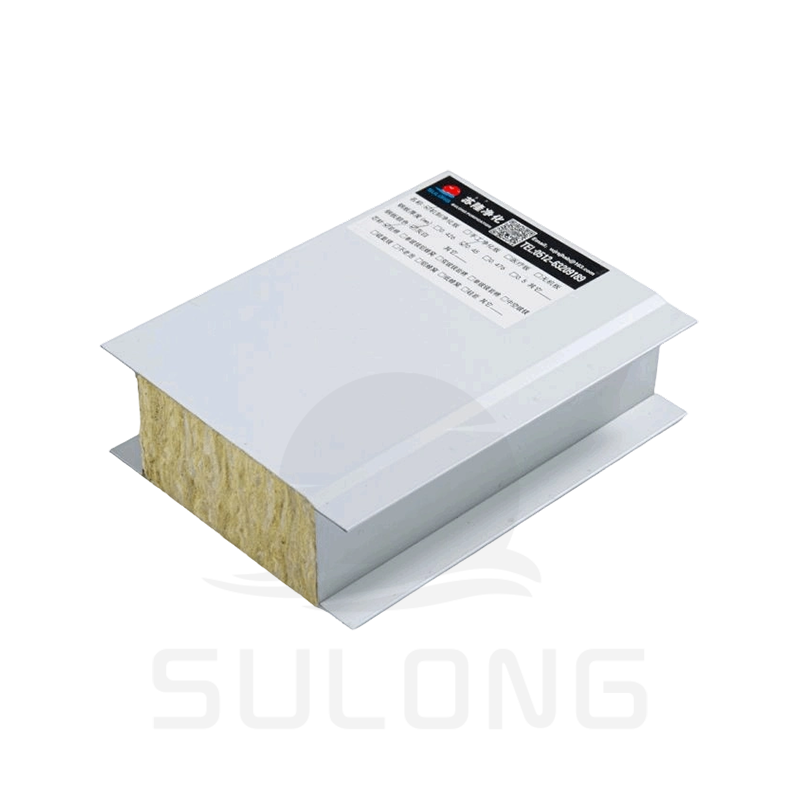
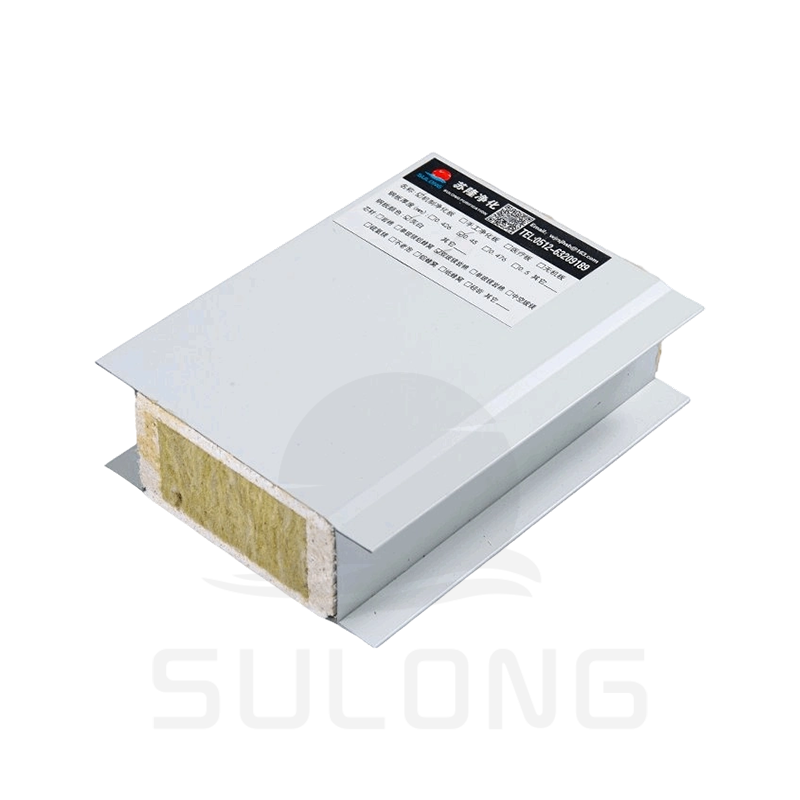
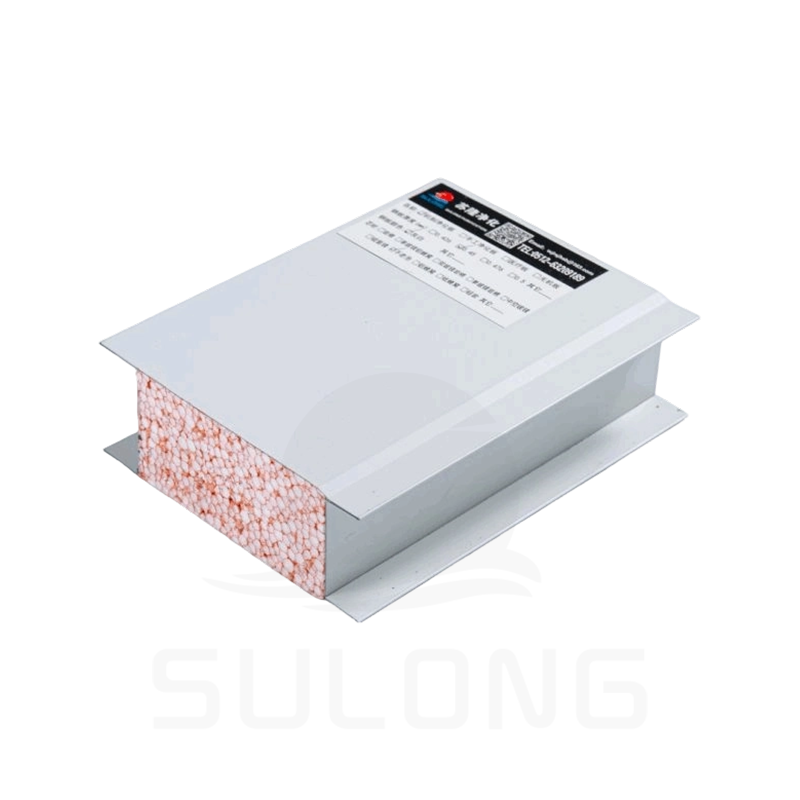
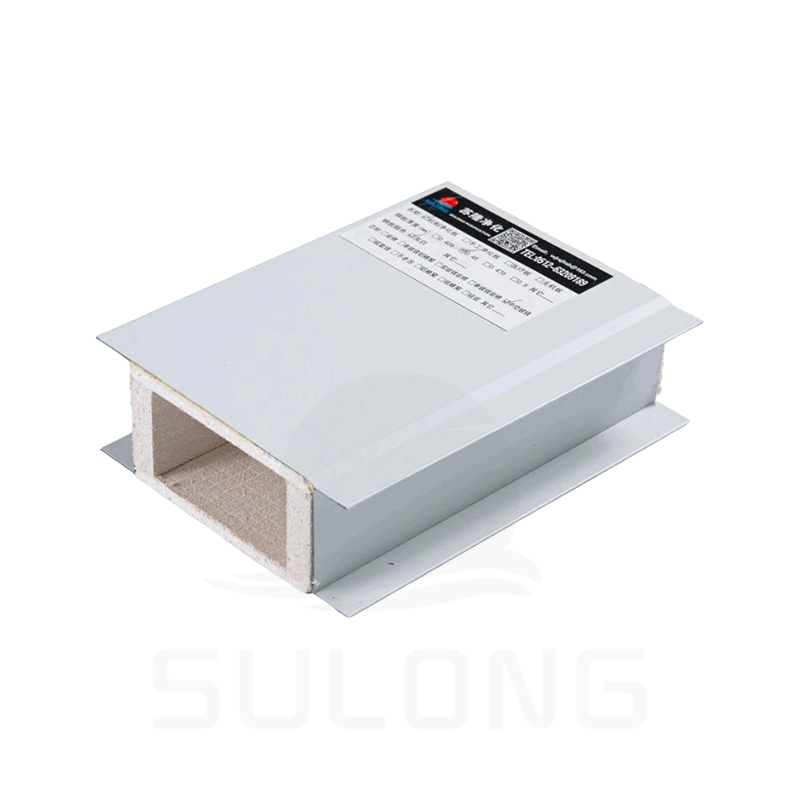
The core material determines how the panel performs in terms of insulation, fire resistance, weight, and cost. Below is a quick comparison of the most common cores used in machine-made sandwich panel production.
| Core Type | Insulation Value | Fire Resistance | Typical Use |
| EPS (Expanded Polystyrene) | Moderate | Low | Warehouses, workshops |
| PU / PIR (Polyurethane) | High | Moderate to High (PIR) | Cold storage, refrigeration |
| Rock Wool | Moderate | Very High | Fire-rated walls, industrial plants |
| Glass Wool | Moderate | High | Sound-sensitive buildings |
For most general-purpose construction, EPS-core machine-made sandwich panels offer the best balance between price and performance, while PU/PIR panels are preferred whenever strict temperature control is required, such as in cold chain logistics.
Choosing a machine-made sandwich panel over a manually produced alternative brings several practical benefits that directly affect the lifespan and performance of a building.
Automated pressing ensures the adhesive or foam bonds evenly across the entire panel surface, reducing the risk of delamination years down the line.
Automatic cutting keeps length, width, and thickness within tight tolerances, which makes on-site installation faster because panels line up correctly without extra trimming.
A single production line can output hundreds of meters of panel per day, which keeps unit costs lower and shortens lead times for large projects.
Machine-made sandwich panels show up in far more places than most people expect, largely because they combine structural strength with built-in insulation in a single lightweight product.
Picking the wrong panel specification is one of the most common and costly mistakes in prefabricated construction. Thickness should be matched to the climate and intended use of the building, not simply chosen based on the lowest price per square meter.
As a general guideline, 50mm panels are suitable for mild climates and non-temperature-sensitive storage, 75-100mm panels work well for standard cold rooms, and anything above 100mm is typically reserved for deep-freeze facilities or extreme climate zones. It also helps to check the panel's fire rating requirements with local building codes before finalizing an order, since some regions mandate rock wool or PIR cores for commercial structures regardless of budget preferences.
Even a well-manufactured panel will underperform if it is installed poorly. A few practical habits make a noticeable difference in long-term durability.
The price of a machine-made sandwich panel is influenced by more than just the square meter rate quoted by a supplier. Steel thickness and coating type (galvanized versus color-coated) affect both cost and corrosion resistance. Core material is usually the biggest cost driver, with PIR and rock wool costing more than standard EPS. Panel width and profile type can also affect price slightly, since wider panels reduce the number of joints needed but require more precise manufacturing tolerances. Finally, shipping distance matters more than people expect, since sandwich panels are bulky and lightweight, meaning freight cost per panel can rival the material cost itself on long-distance orders.
Machine-made sandwich panels require relatively little maintenance, but a few issues are worth monitoring over the life of the building. Watch for rust starting at cut edges or screw penetrations, since these are the most common failure points. Periodically inspect joint sealant for cracking, especially in buildings exposed to large temperature swings. If a panel shows signs of bulging or a hollow sound when tapped, this often indicates core delamination, which should be addressed before it spreads. Routine visual inspections once or twice a year are usually enough to catch problems early and keep a sandwich panel structure performing well for decades.

Follow Us:
 Call us :
  Mail us to:


 English
 中文简体
中文简体